
BreakingAfrica Cup of Nations (AFCON)
AFCON To Return To Two-Year Cycle As CAF Confirms New Tournament Schedule
The Africa Cup of Nations will return to its traditional biennial format, with CAF confirming that the continent’s biggest national-team competition will continue to be staged every two years after reconsidering its earlier plan for a four-year cycle.
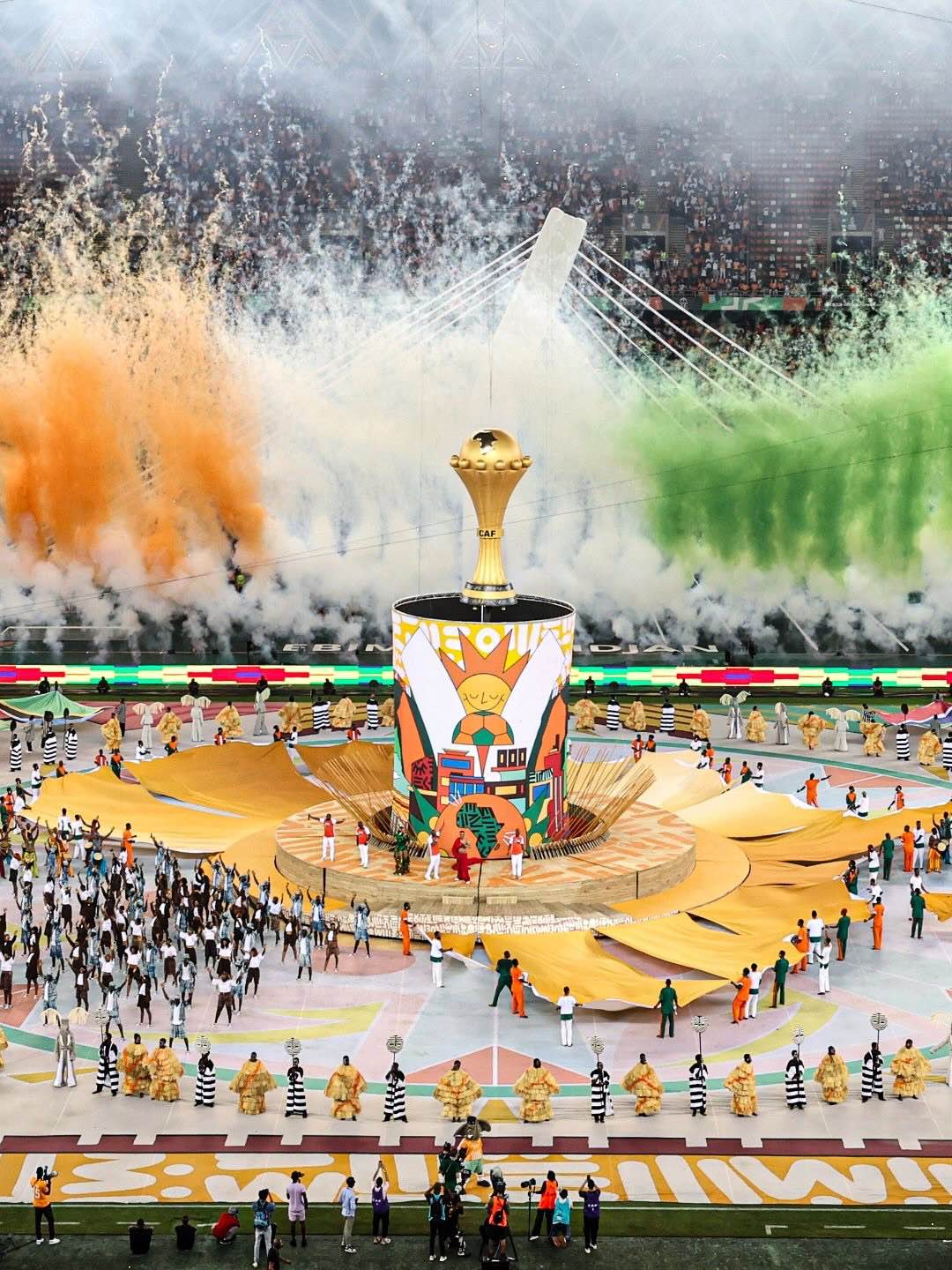
The Africa Cup of Nations (AFCON) will once again be played every two years after the Confederation of African Football (CAF) confirmed a return to the competition’s traditional biennial schedule.
The decision brings an end to months of uncertainty surrounding the future of Africa’s biggest international football tournament. CAF had previously announced plans to move the AFCON to a four-year cycle after the 2028 edition, but that proposal faced considerable criticism before the governing body reopened discussions about the tournament’s frequency.
CAF’s Executive Committee has now unanimously decided that the Africa Cup of Nations should return to being held every two years.
Under the revised calendar, the next editions are set for 2027, 2028, 2031 and 2033, restoring a schedule that will give African national teams regular opportunities to compete for the continent’s most prestigious international trophy.
The change represents a major reversal from CAF’s earlier plans and is expected to have significant consequences for the organisation’s wider international competition calendar.
CAF reverses controversial four-year plan
The decision comes after CAF spent several months reconsidering its original plan to reduce the frequency of the AFCON.
In December 2025, CAF announced that the tournament would move away from its long-standing two-year cycle. The 2027 edition was scheduled to go ahead in East Africa, followed by another tournament in 2028, after which AFCON would have moved to a four-year schedule.
The plan was linked to CAF’s intention to introduce a new African Nations League structure that would provide national teams with more regular competitive football while creating another commercial opportunity for the governing body.
However, the proposed change quickly became a major talking point across African football.
The AFCON has traditionally been one of the most important events on the continent’s sporting calendar, attracting millions of supporters and providing national teams with a regular opportunity to compete at the highest level.
The idea of waiting four years between editions raised concerns about the tournament’s visibility, commercial value, player development and the opportunities available to African nations.
CAF President Patrice Motsepe subsequently confirmed that the organisation was reconsidering the decision.
Speaking during a CAF strategy conference in Cape Verde earlier this month, Motsepe said the governing body was looking at the possibility of bringing the AFCON back to a two-year cycle. At the time, however, the final decision had not yet been announced.
CAF later consulted its 54 member associations, asking them to give their recommendations on whether the competition should continue every two years or move to a four-year schedule. Financial sustainability, the interests of players, the international calendar and the development of African football were among the issues considered during the review.
That process has now resulted in a clear decision.
2027 AFCON remains on course
The first tournament under the restored schedule will be the 2027 Africa Cup of Nations.
The competition will be jointly hosted by Kenya, Tanzania and Uganda, making it a landmark event for East African football.
CAF had already confirmed that the 2027 tournament would take place from 19 June to 17 July 2027.
The three host nations have been preparing for the tournament for several years, with stadiums, training facilities, transportation networks and other infrastructure forming part of the preparations.
The return to a two-year AFCON cycle means the 2027 tournament will not be followed by a long wait before the next edition.
Instead, another AFCON will take place in 2028, maintaining the immediate part of the schedule that CAF had previously announced before changing its long-term plans.
The consecutive 2027 and 2028 editions will therefore remain, but the calendar beyond that point will be significantly different from the four-year arrangement that CAF had proposed.
2028 edition gains greater importance
The 2028 AFCON will now become an important part of the restored biennial cycle.
CAF had previously opened bidding for the 2028, 2032 and 2036 editions when it was operating under the four-year model.
The return to the two-year format means CAF will have to align its hosting arrangements and competition planning with the newly confirmed schedule.
It also demonstrates how quickly the organisation’s approach to the international calendar has evolved.
The 2028 tournament was initially expected to be the final AFCON before the competition moved into a four-year pattern. Under the new decision, however, it becomes the second consecutive edition in the restored cycle.
After 2028, the next tournaments are scheduled for 2031 and 2033, meaning CAF has established a new long-term sequence rather than simply returning to the previous calendar without adjustments.
That schedule will also have to coexist with FIFA World Cup cycles and other international competitions, making calendar management an important issue for CAF in the coming years.
Why the two-year format matters
The return to a biennial AFCON is significant for both players and national teams.
For African countries, the tournament provides a major competitive target every two years. National teams can build generations around regular AFCON campaigns instead of potentially waiting several years for another opportunity to compete for continental honours.
The format is also important for players.
Footballers based in Africa and those playing for clubs in Europe, Asia, the Middle East and other parts of the world all use the AFCON as one of the major stages for international football.
A regular tournament gives players more opportunities to represent their countries in meaningful matches while also allowing emerging talents to gain experience at senior international level.
For supporters, the decision means AFCON remains a familiar part of the African football calendar.
The tournament has historically generated enormous excitement across the continent, with national teams attracting passionate support from millions of fans.
From Nigeria and Ghana to Senegal, Egypt, Cameroon, Morocco, Algeria, Ivory Coast and South Africa, AFCON has repeatedly produced memorable rivalries, unexpected results and breakthrough performances.
A four-year wait could have changed that rhythm considerably.
The return to two-year intervals ensures the tournament remains a regular feature of African football.
Commercial considerations also played a role
Money and commercial sustainability were also important factors in CAF’s review.
The AFCON is one of the organisation’s biggest revenue-generating competitions, with major television audiences, sponsorship agreements, ticket sales and digital engagement.
CAF had previously argued that restructuring its competitions could create new commercial opportunities and make better use of the international calendar.
However, the proposed African Nations League would have required time to establish itself financially.
CAF acknowledged during the review process that a replacement competition would need several years before it could make significant financial contributions to the governing body and its member associations.
That reality strengthened the argument for keeping the AFCON as a biennial tournament.
Rather than reducing the frequency of its biggest established competition and waiting for another tournament to develop commercially, CAF has chosen to retain AFCON as a central part of its revenue and football-development structure.
What the decision means for African football
The reversal also sends a broader message about CAF’s approach to the continent’s football calendar.
The original four-year plan represented one of the biggest changes to the AFCON structure in decades. The subsequent review showed that CAF was willing to reconsider the decision after feedback from its member associations and stakeholders.
The governing body will now have to coordinate the biennial AFCON with other competitions, including the African Nations League and FIFA’s international calendar.
That could create new challenges, particularly because African players are spread across leagues around the world and clubs must release them for international duty.
Nevertheless, CAF has decided that maintaining the AFCON every two years is the preferred direction.
The tournament’s history also supports the decision.
The Africa Cup of Nations was first staged in 1957 and has generally been played every two years, with only occasional disruptions to the established pattern. The competition has consequently become deeply embedded in African football culture.
A new chapter for AFCON
The confirmation of the new schedule ends months of speculation about whether African football’s premier national-team competition would remain biennial.
The immediate future is now clearer.
AFCON 2027 will be hosted by Kenya, Tanzania and Uganda, followed by the 2028 edition, before the tournament continues with editions in 2031 and 2033.
For players, coaches, supporters and national associations, the return to a two-year cycle means fewer long gaps between opportunities to compete for continental glory.
It also gives African football a familiar rhythm that has been part of the sport’s identity for generations.
CAF’s decision marks a significant U-turn, but it is one that places the Africa Cup of Nations back at the centre of the continent’s international football calendar.
With the 2027 tournament already approaching and preparations continuing in East Africa, attention will now turn towards ensuring the new schedule works effectively alongside the growing number of international competitions.
For African football fans, however, the central message is straightforward: AFCON is back to being a tournament every two years.
And with editions confirmed for 2027, 2028, 2031 and 2033, the continent’s biggest football festival has secured its place on the calendar for years to come.