
World
Debt Worse Than Leprosy, Destroys Generations, Says Obasanjo
Former President Olusegun Obasanjo has strongly criticised President Bola Tinubu’s position on government borrowing, warning that excessive debt could place a burden on generations yet unborn.
Former President Olusegun Obasanjo has criticised President Bola Tinubu’s approach to government borrowing, declaring that debt is worse than leprosy because its consequences can extend across generations.
Obasanjo made the remarks on Friday, October 30, 2026, while speaking at the Ajibosin Platform, a public forum held in Abeokuta, Ogun State. The event focused on leveraging artificial intelligence to address grassroots challenges and accelerate national development.
His comments were directed at an earlier statement by President Tinubu defending his administration’s decision to borrow when necessary. Tinubu had said in April that borrowing should not automatically be viewed as something negative, provided the government could work hard enough to repay the loans.
“If we have to borrow, we borrow. Borrowing is not leprosy, we just have to work hard to be able to pay for it,” the President said during a meeting with Plateau State leaders at the Presidential Villa in Abuja.
Obasanjo strongly rejected that comparison when he addressed the audience in Abeokuta.
“And for anybody to say debt is no leprosy, is absolute nonsense. Debt is worse than leprosy. Because leprosy destroys only one person. Debt destroys generations,” he said.
The former President’s statement comes at a time when Nigeria’s borrowing plans have again generated intense public debate. The Tinubu administration is seeking legislative approval for additional external borrowing, with the proposed facilities expected to finance projects and programmes covering infrastructure, agriculture, healthcare, education, water supply, security, employment generation and financial management reforms.
The latest proposal includes about $20.52 billion and €1.045 billion in external loans under the Federal Government’s 2026–2027 Supplementary External Borrowing Plan. The request has been referred to the relevant National Assembly committees for consideration.
For the government, the argument is that borrowing can provide the capital required to address major infrastructure gaps and stimulate economic growth when domestic resources are insufficient. Tinubu has maintained that the important issue is not simply how much the country borrows, but what the borrowed funds are used to achieve.
The administration has pointed to major infrastructure projects, including highways, electricity improvements and port development, as areas where additional financing could support economic activity. The President has argued that investments in transportation, power, healthcare, education and other sectors could create jobs, improve productivity and expand opportunities for Nigerians.
However, Obasanjo’s concern is centred on what happens when borrowing becomes a long-term burden rather than a tool for productive investment.
His warning reflects a broader argument that loans should generate sufficient economic value to justify the financial obligations they create. When borrowed funds fail to produce sustainable revenue, governments may eventually face increased debt-servicing costs while having fewer resources available for essential public services.
Nigeria’s public debt has risen significantly in recent years. According to figures cited by BusinessDay from the Debt Management Office, the country’s public debt increased from N87.38 trillion in June 2023 to N166.79 trillion by June 2026, although movements in the exchange rate also contributed to the increase.
That growth has intensified concerns about how much of the country’s revenue is being absorbed by debt obligations and whether future administrations will have enough fiscal space to fund development.
Obasanjo also used the occasion to question Nigeria’s economic performance over several decades, particularly the dramatic decline in the value of the naira.
Recalling his experience as a farmer, the former President said the naira was significantly stronger against the United States dollar when he established his farm 47 years ago.
“When I started my farm, 47 years ago, naira to the dollar was one naira to $1.85,” he said, questioning how Nigeria moved from that position to an exchange rate of around N1,500 to the dollar.
Obasanjo asked what the country had achieved over those decades and whether the decisions taken by successive governments had delivered the level of economic progress Nigerians should expect.
His criticism went beyond borrowing. He questioned the knowledge, capacity and decision-making abilities of the country’s political leadership, asking what leaders know, what they do not know and what they are capable of doing with the knowledge available to them.
The former President also raised concerns about Nigeria’s reliance on international financial institutions, particularly the World Bank and the International Monetary Fund.
According to Obasanjo, Nigeria should be more cautious about accepting economic prescriptions developed outside the country without considering its own circumstances. He argued that the institutions were established before Nigeria became independent and were not specifically designed around the country’s developmental realities.
His comments reflected his broader call for Nigerian leaders to develop policies based on the country’s unique economic conditions instead of depending excessively on external recommendations.
The former President’s remarks also came against the backdrop of a wider discussion at the Abeokuta event about artificial intelligence and Africa’s technological future.
Historian and public policy scholar Umar Ardo warned that artificial intelligence could deepen Africa’s dependence on foreign powers if African countries failed to develop control over critical digital infrastructure, including data centres, datasets and semiconductor technology.
The warning about technology mirrored Obasanjo’s concerns about economic independence. Both arguments centred on the need for African countries to develop the capacity to determine their own priorities rather than allowing external forces to shape their future.
For Nigeria, the debate over borrowing is unlikely to end with Obasanjo’s latest remarks. The government sees borrowing as a potential means of financing infrastructure and other investments that could support long-term growth, while critics remain concerned about repayment obligations and the effect of rising debt on future generations.
The central question is therefore not simply whether Nigeria should borrow, but whether borrowed funds can be converted into productive assets and economic opportunities capable of generating enough value to justify the cost.
Obasanjo’s warning places that question at the heart of the national conversation. His comparison between debt and leprosy was deliberately striking, but his wider argument was about the consequences of decisions made today and who ultimately bears the cost.
As the Federal Government seeks approval for additional external financing, Nigerians will be watching closely to see how the proposed loans are allocated, what projects they support and whether they produce measurable economic benefits.
For Obasanjo, the responsibility extends beyond the current administration. He believes decisions about borrowing can shape the prospects of people who have no role in making those decisions but may eventually inherit their financial consequences.
The former President’s intervention has therefore reopened an old but increasingly important debate: how can Nigeria finance development without creating a debt burden that limits the choices available to future governments and generations?
That question is likely to remain central as lawmakers consider the government’s latest borrowing request and as the country continues searching for a sustainable path toward stronger economic growth.
Related stories
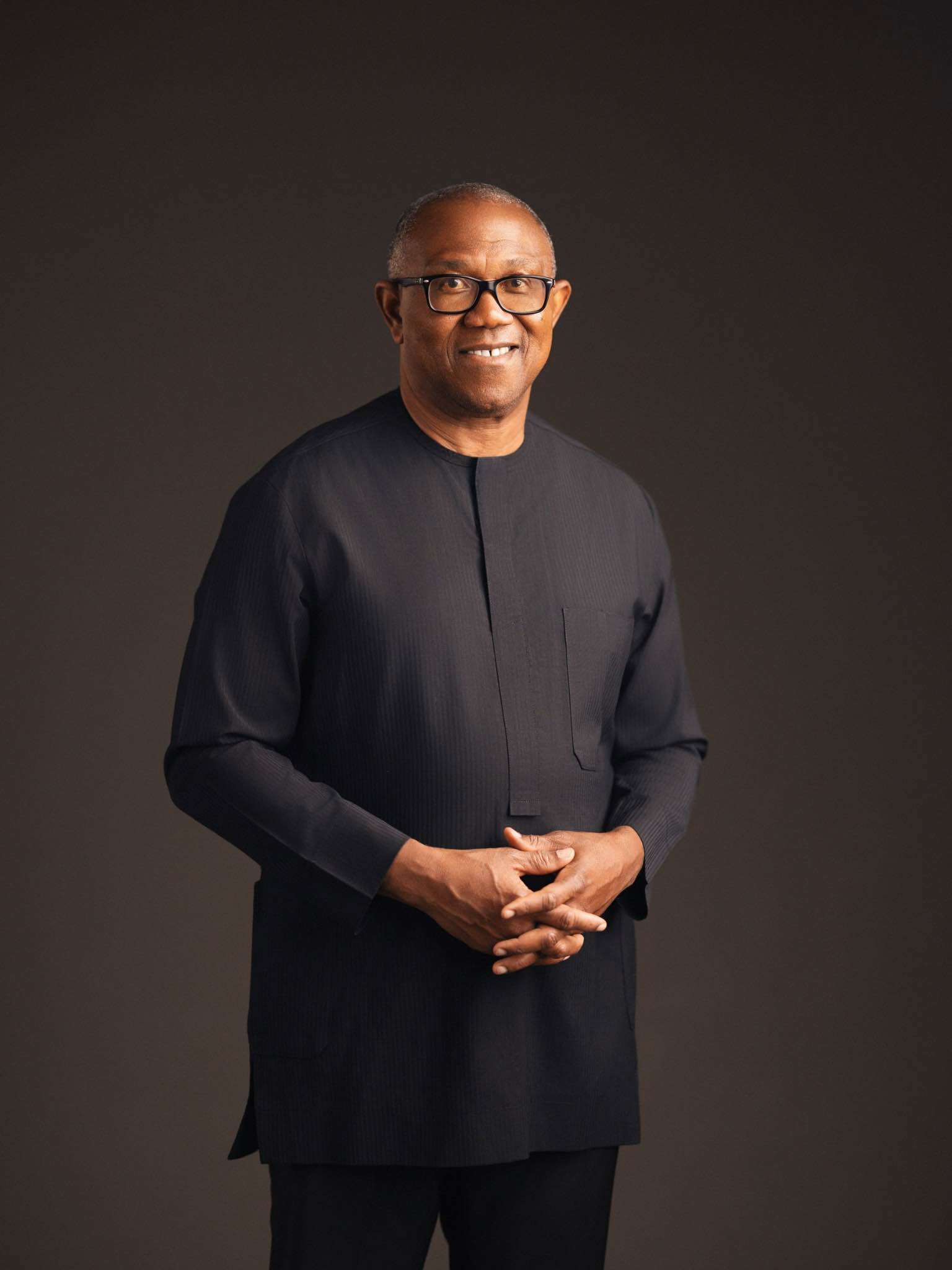
Obi questions Tinubu’s competence as reports outline his plans for Nigeria
Peter Obi has launched a fresh attack on President Bola Tinubu’s leadership, questioning his capacity to continue governing Nigeria and urging voters to choose their next president based on competence, capacity and performance rather than ethnic identity.
NewsVaultHQ6 min read
Read morePolice Arrest Man in Viral Video Preaching Religious Intolerance and Violence
The Zamfara State Police Command has arrested a 22-year-old man linked to a viral video allegedly containing threats of violence against Christians in Enugu and Plateau states.
NewsVaultHQ5 min read
Read more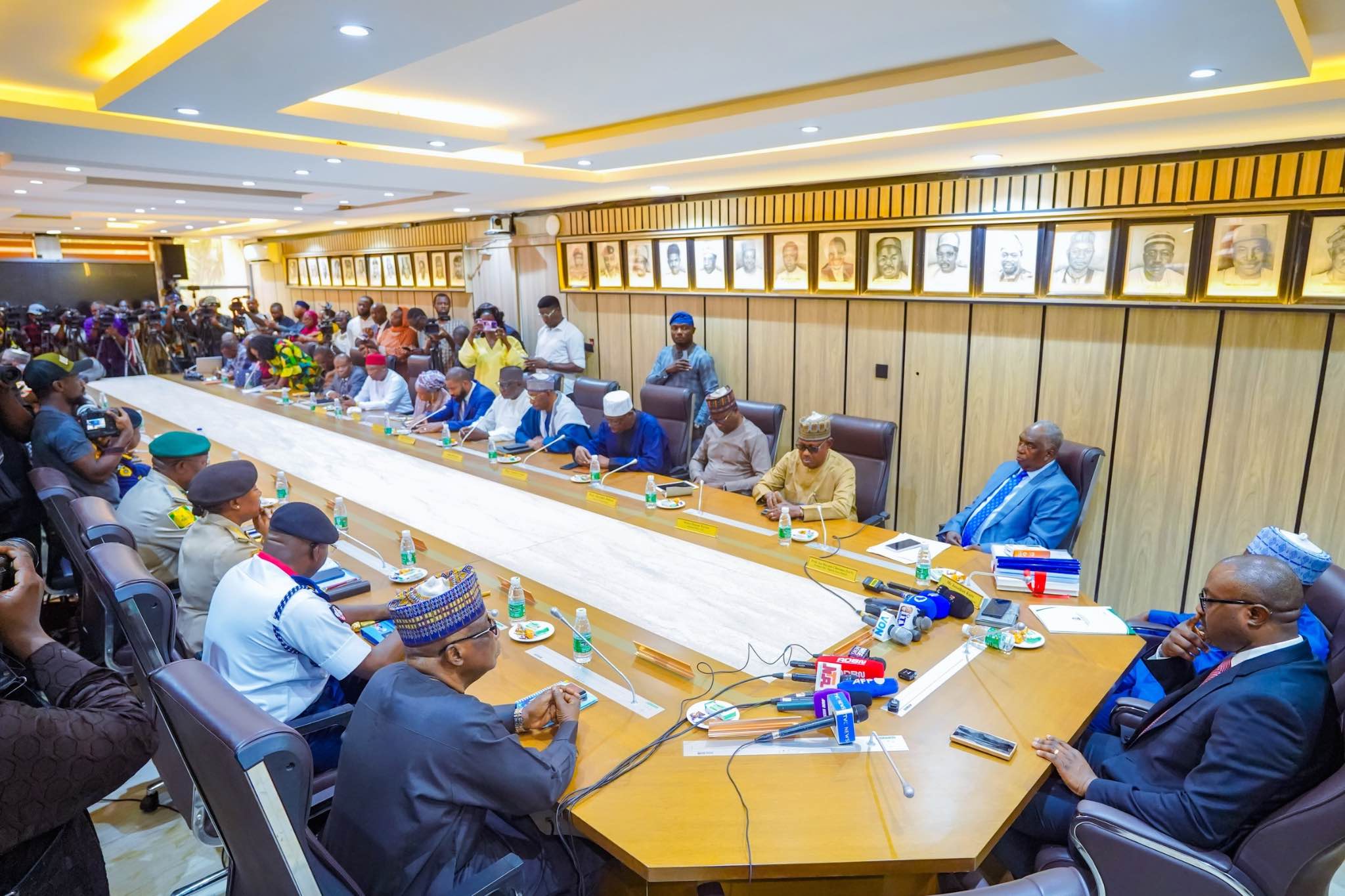
Niger Miners’ Deaths: FG Panel Says 37 Suspects Died From Suffocation
A Federal Government investigative panel has concluded that 37 suspected illegal miners who died in NSCDC custody in Niger State were victims of asphyxiation, with the report pointing to overcrowding, poor detention conditions and failures in duty of care.
NewsVaultHQ5 min read
Read more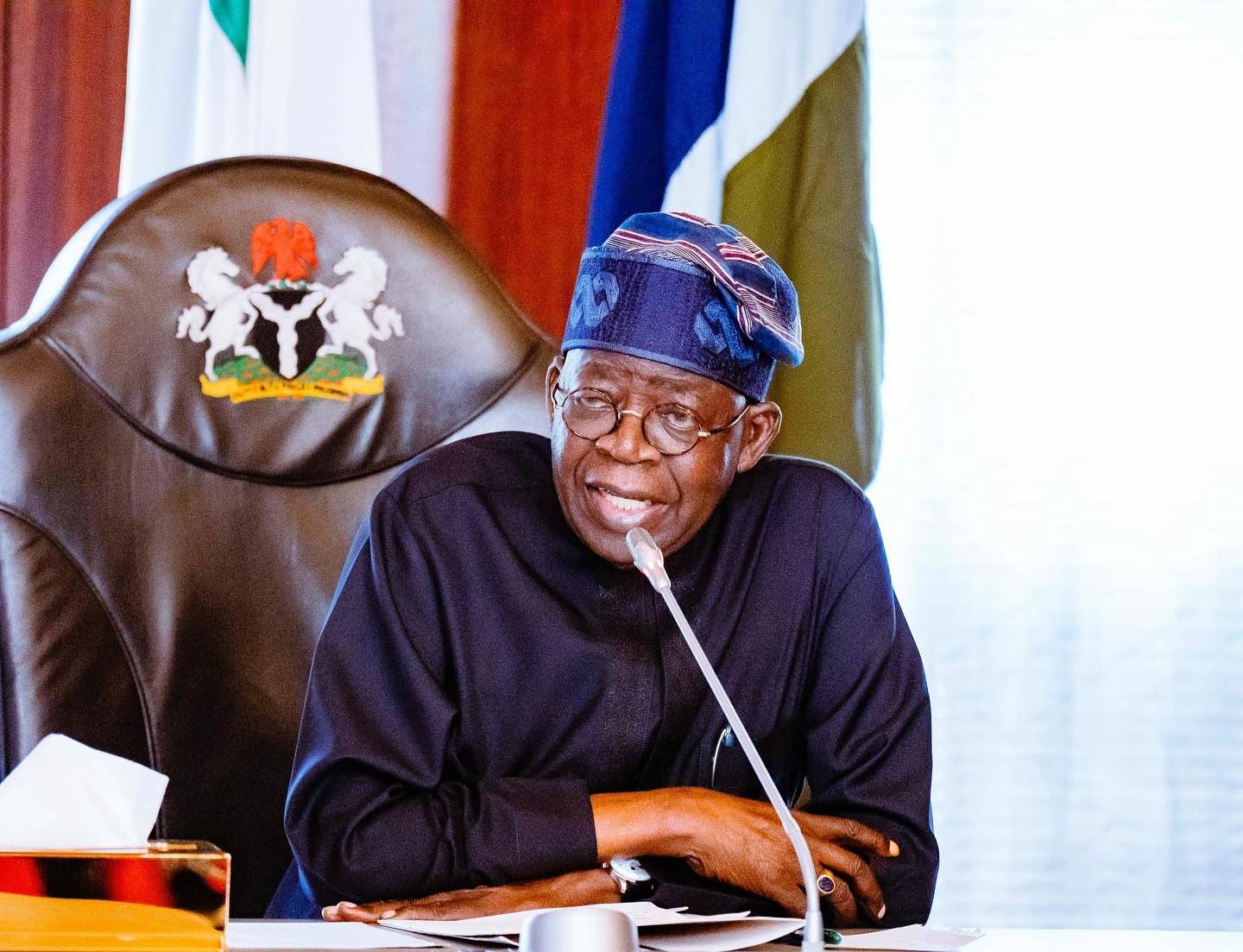
Tinubu Seeks National Assembly Approval for $20.5bn, €1.045bn Supplementary Borrowing Plan
President Bola Tinubu has asked the National Assembly to approve a supplementary external borrowing plan worth about $20.52 billion and €1.045 billion, with the funds expected to support infrastructure, healthcare, education, agriculture, security and other development priorities across Nigeria.
NewsVaultHQ5 min read
Read more