
Entertainment
Chris Brown Given Suspended Eight-Month Prison Sentence Over London Nightclub Attack
American singer Chris Brown has been handed an eight-month prison sentence suspended for 12 months after pleading guilty to affray over a 2023 nightclub attack in London that left music producer Abraham Diaw with head and knee injuries.
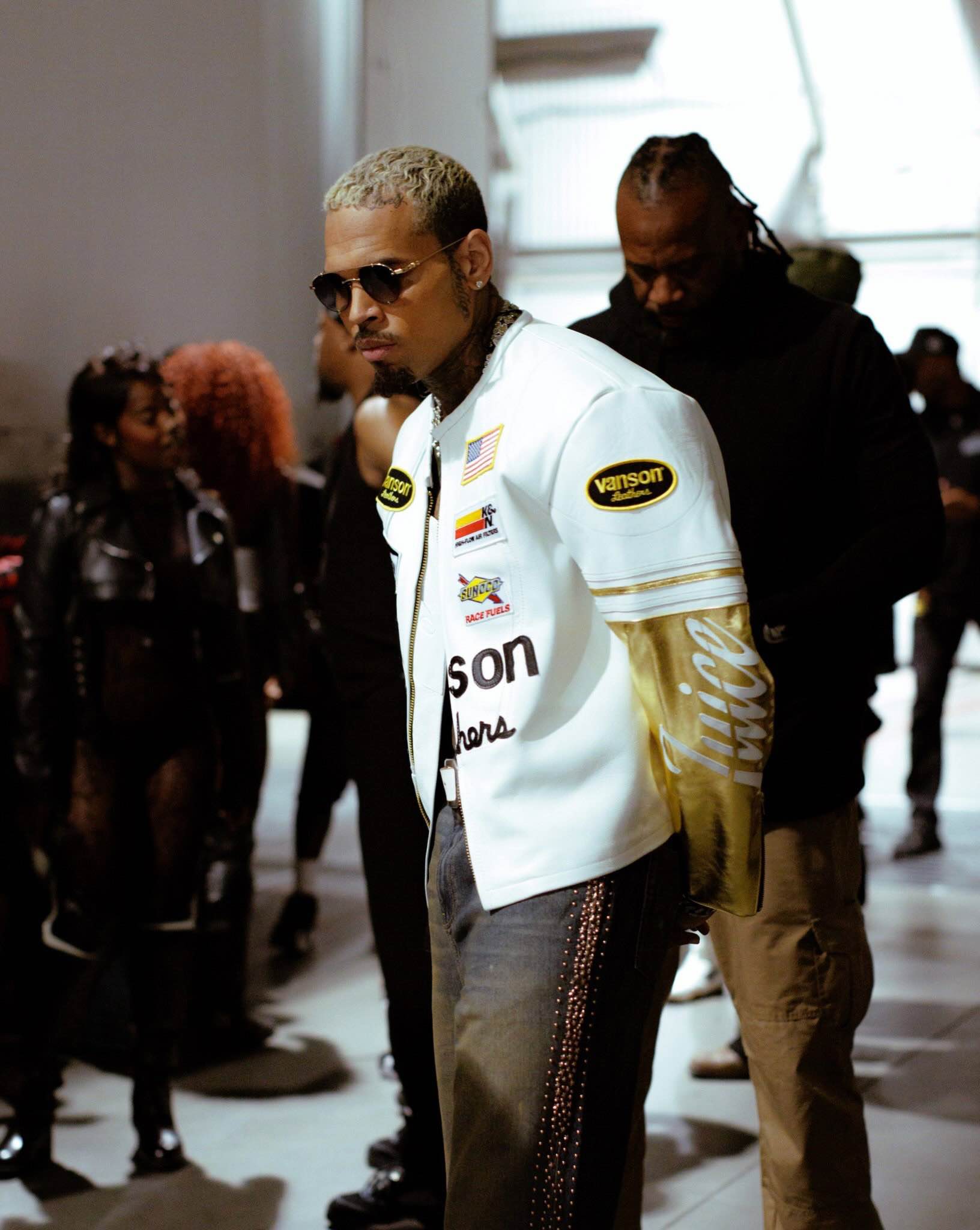
American singer and R&B star Chris Brown has been sentenced to eight months in prison for his role in a violent attack at a London nightclub in 2023, but he will not serve immediate jail time after the sentence was suspended for 12 months.
Brown, 37, appeared at Southwark Crown Court in London on Monday, October 26, where Judge Tony Baumgartner imposed the sentence over the incident involving music producer Abraham Diaw at Tape nightclub in Mayfair.
The singer had pleaded guilty in July to one count of affray, a public-order offence involving the use or threat of unlawful violence. The charge carries a maximum prison sentence of three years.
Brown’s vocal coach and friend, Omololu Akinlolu, also pleaded guilty to affray. He received a four-month prison sentence suspended for 12 months.
How the nightclub attack happened
The incident took place in the early hours of February 19, 2023, at Tape, a private members’ club in Hanover Square, central London.
According to prosecutors, Diaw was on the dance floor at around 3am when Brown approached him through the crowd. What followed lasted only about 20 seconds, but prosecutors described the violence as serious and unprovoked.
Brown picked up a heavy glass tequila bottle and struck Diaw twice on the head. CCTV footage shown to the court also showed the bottle being swung at Diaw on additional occasions.
Prosecutors said Brown continued throwing punches as the confrontation developed. Akinlolu then became involved, with the court hearing that he grabbed Diaw and punched him in the head.
As Diaw attempted to get away from the attack, the violence continued. Prosecutors said he was eventually kicked while he was on the floor.
Diaw suffered injuries to his head and knee and was taken to St Mary’s Hospital for treatment. He was later discharged.
The Crown Prosecution Service said Brown was the leading participant in the attack, while the footage provided investigators with evidence of what happened inside the crowded venue.
Brown initially faced more serious charges
The case initially involved allegations considerably more serious than the charge to which Brown eventually pleaded guilty.
Brown had denied allegations including attempting to cause grievous bodily harm and assault causing actual bodily harm. Prosecutors also pursued an allegation involving possession of an offensive weapon.
However, after legal proceedings, those more serious allegations were dropped as part of the resolution of the case, and Brown pleaded guilty to affray.
Akinlolu also pleaded guilty to the same offence.
The guilty pleas meant the court did not have to conduct a full trial over the incident. They also allowed the judge to take the pleas into account when deciding the appropriate punishment.
Judge warns Brown that fame offers no protection
During Monday’s sentencing, Judge Tony Baumgartner made clear that Brown’s international fame and successful music career did not entitle him to different treatment.
The judge described the incident as serious public violence and said the repeated use of a glass bottle, particularly against the head, was plainly dangerous.
The court heard that using a bottle in such a manner created the potential for a much more serious injury than those ultimately suffered by Diaw.
Despite the seriousness of the attack, the judge decided that Brown did not need to serve the eight-month sentence immediately.
The sentence was suspended for 12 months, meaning Brown will remain out of prison provided he does not commit another offence that results in the activation of the sentence during the suspension period.
The judge considered a number of factors, including Brown’s guilty plea, his employment, family responsibilities and charitable activities. His previous convictions were also considered, although the court noted that he had not been persistently offending in the years leading up to the London incident.
Brown apologises for the incident
Brown’s lawyer, Sallie Bennett-Jenkins, told the court that the singer was profoundly sorry for what happened.
His defence accepted that the incident was ugly and unacceptable, but argued that it was brief and lasted approximately 20 seconds.
The defence also asked the court to consider Brown’s career, family responsibilities and charitable contributions when determining his sentence.
Brown had spent much of the sentencing hearing sitting quietly in the dock. After the judge delivered the sentence, he thanked the court before leaving.
Supporters gathered outside the courthouse and cheered when the singer emerged. Brown acknowledged people in the public gallery before leaving the area.
Arrest came more than two years after the attack
Brown was not arrested immediately after the 2023 incident because he had left the United Kingdom.
Police eventually issued a warrant after becoming aware that Brown and Akinlolu had left the country.
More than two years later, Brown returned to Britain for a concert as part of his world tour. He was arrested at a hotel in Manchester on May 15, 2025.
His arrest created uncertainty around his scheduled performances, but he was eventually released on bail after agreeing to provide £5 million in security.
That allowed him to continue with his international touring commitments while the criminal proceedings moved forward.
Akinlolu also avoids immediate imprisonment
Brown was not the only person punished over the nightclub incident.
Akinlolu, 40, who is Brown’s vocal coach and friend, received a four-month prison sentence suspended for 12 months.
The court heard that he became involved after Brown had confronted Diaw and that he participated in the assault.
Like Brown, Akinlolu’s sentence means he does not immediately go to prison, provided he complies with the conditions of the suspended sentence and does not commit an offence that leads to its activation.
Both men were also ordered to pay £1,500 in costs.
Brown’s previous legal troubles
The London case adds another chapter to a long history of legal controversies surrounding the singer.
Brown’s most widely publicised previous case involved his 2009 assault on singer Rihanna, his then-partner. He pleaded guilty to assault and received a five-year probation sentence.
He was also involved in another assault case in 2013 after being accused of punching a fan.
Those previous incidents were raised during the latest sentencing proceedings. However, the judge took into account the length of time that had passed and Brown’s conduct in the intervening years when considering how much weight to give them.
The court ultimately concluded that the circumstances surrounding the 2023 attack did not require Brown to serve an immediate custodial sentence.
What the suspended sentence means for Chris Brown
Although Brown has been given an eight-month prison sentence, he is not currently being sent to prison.
The sentence has been suspended for one year. In practical terms, Brown remains free, but the suspended sentence hangs over him during that period.
If he commits another offence that results in the suspended sentence being activated, he could be required to serve the eight months in prison, subject to the court’s decision and applicable law.
The ruling brings the legal case arising from the 2023 nightclub attack to its sentencing stage after more than three years of investigations and court proceedings.
For Brown, the outcome allows him to remain outside prison and continue his career, while also placing a clear warning over his conduct during the 12-month suspension period.
The Metropolitan Police said the case demonstrated that a person’s fame or status would not prevent authorities from pursuing allegations of violence.
The Crown Prosecution Service similarly stressed that violence in public places would be prosecuted regardless of the defendant’s profile.
Brown has now received his punishment for the London incident, but the suspended nature of the sentence means the consequences of the case will continue to follow him for the next year.
Related stories
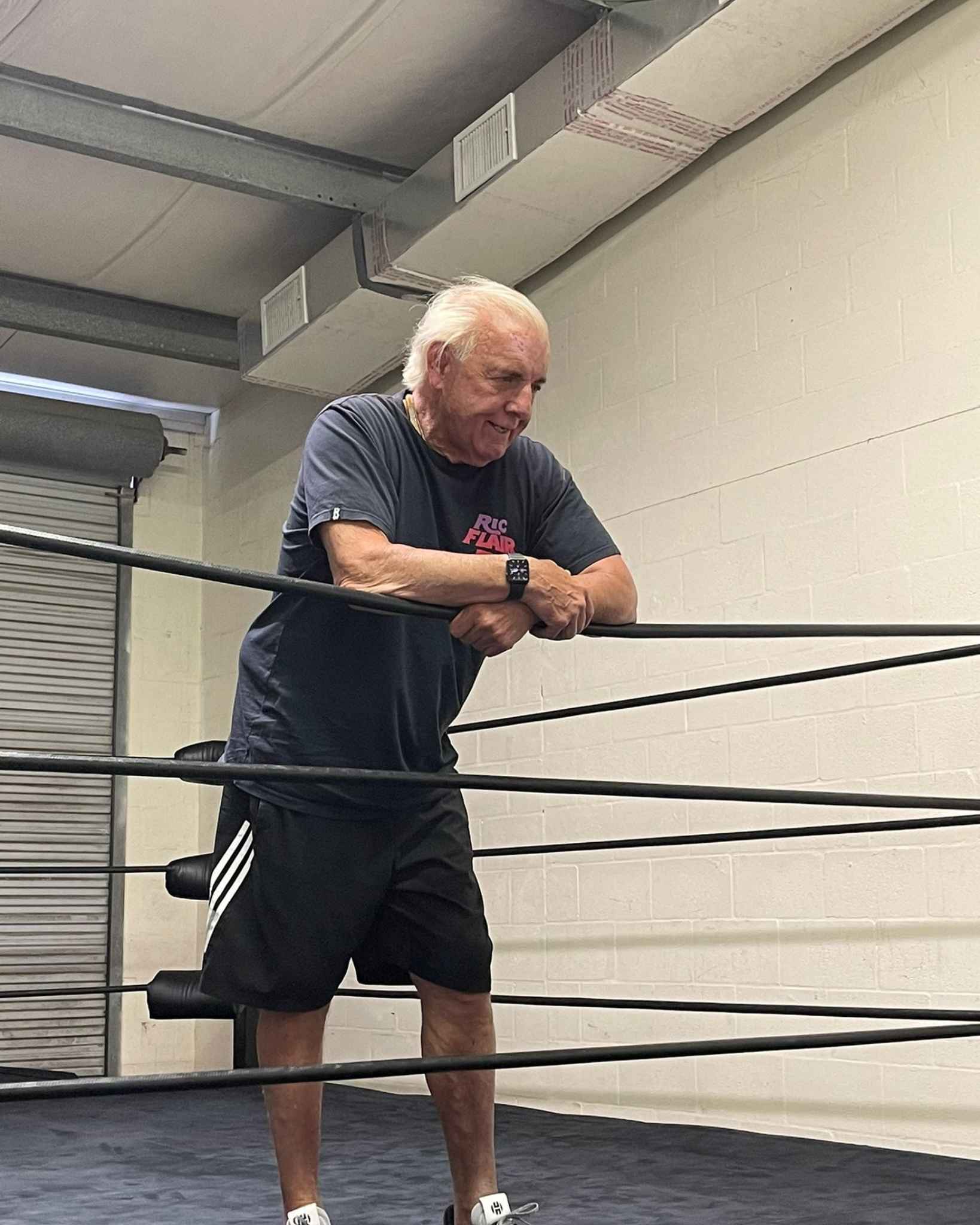
Ric Flair Hospitalized After Sudden Fall in Tampa Hours After Revealing Blood Clot
Wrestling icon Ric Flair was taken to a Tampa hospital after reportedly suffering a sudden fall outside a restaurant, injuring his head and eye just hours after revealing that he was dealing with a potentially serious blood clot in his leg.
NewsVaultHQ5 min read
Read more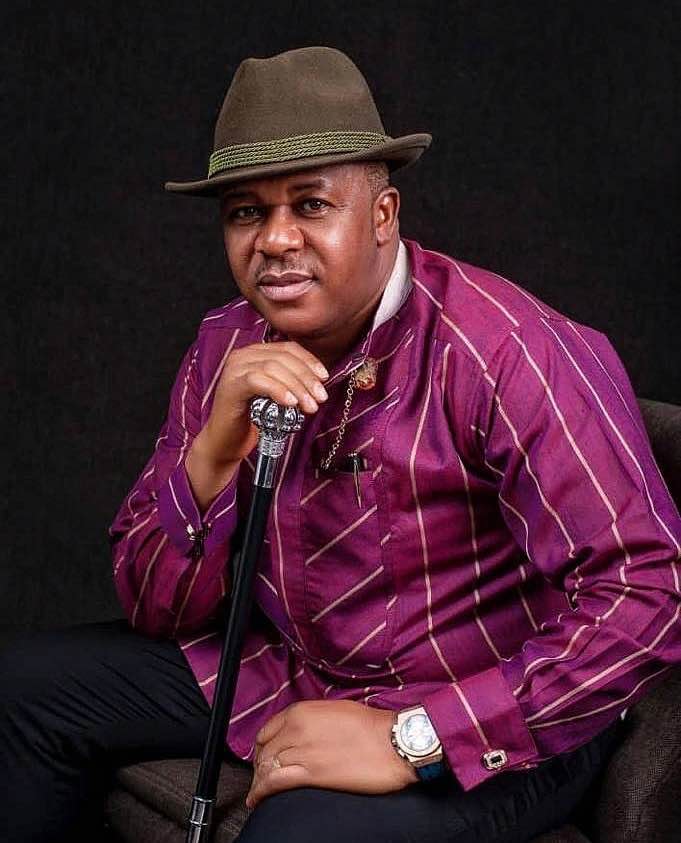
Nollywood in Mourning as Veteran Actor Francis Duru Dies at 57
Veteran Nollywood actor Francis Duru has died at the age of 57 after a brief illness, bringing an end to a career that spanned more than three decades and produced some of the Nigerian film industry’s most memorable performances.
NewsVaultHQ5 min read
Read more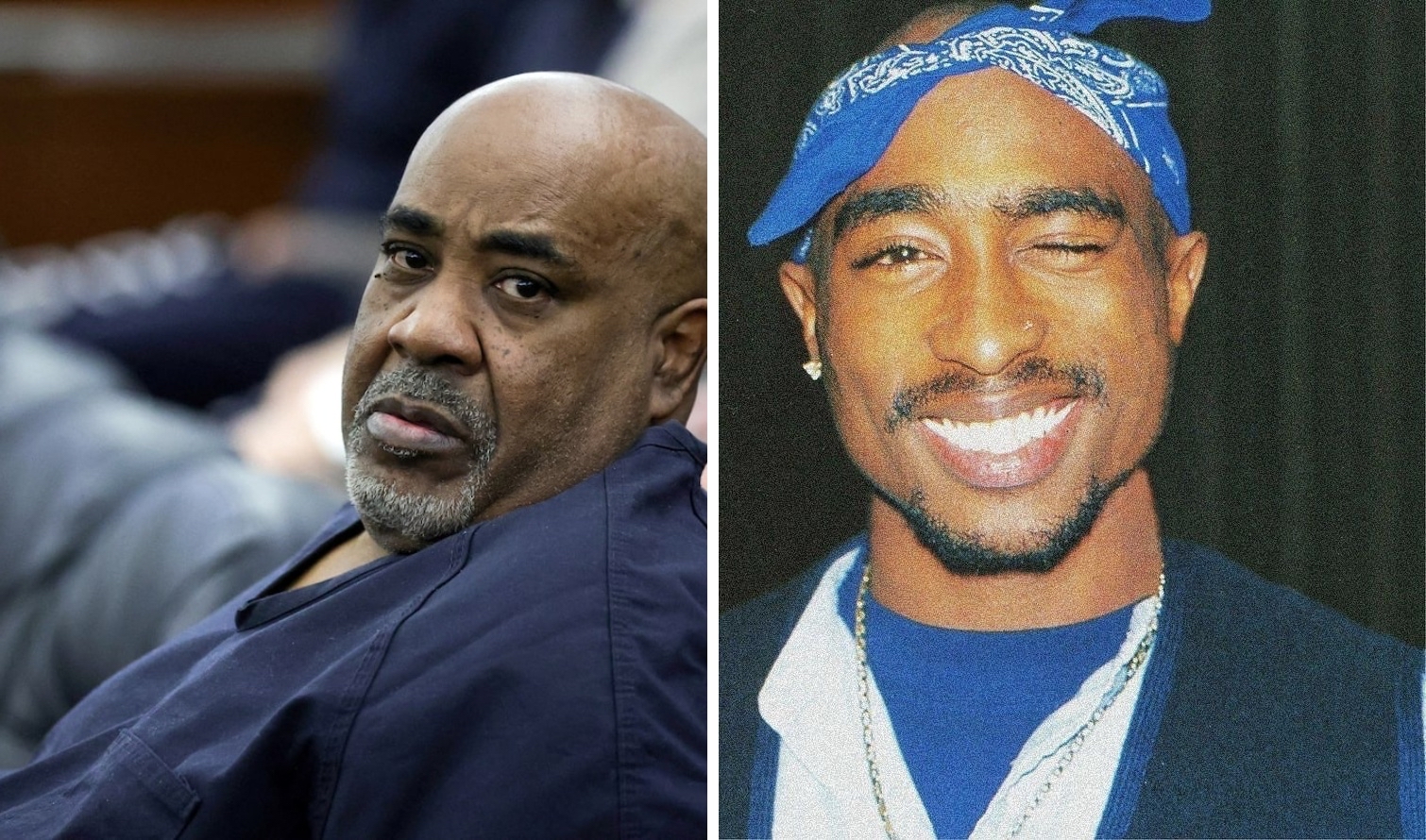
Duane “Keffe D” Davis Sentenced to 40 Years to Life for Tupac Shakur Murder.
More than 30 years after Tupac Shakur was killed in a Las Vegas drive-by shooting, Duane “Keffe D” Davis has been sentenced to 40 years to life in prison for orchestrating the murder of the legendary rapper.
NewsVaultHQ5 min read
Read more
The Rolling Stones Release New Video for ‘Mr Charm’
The Rolling Stones have released a new music video for their latest single, “Mr Charm,” from their studio album Foreign Tongues.
NewsVaultHQ1 min read
Read more