Football
FIFA Approves Committee to Steer Nigerian Football Through Leadership Crisis
FIFA has approved the appointment of a Normalisation Committee to oversee the Nigeria Football Federation and guide the country’s football administration towards fresh elections, with the committee’s mandate expected to end no later than May 31, 2027.
FIFA has approved the appointment of a Normalisation Committee to oversee the affairs of the Nigeria Football Federation (NFF), bringing Nigerian football into a new phase following months of uncertainty over the federation’s leadership.
The decision was approved on Thursday, October 22, by the Bureau of the FIFA Council. The committee will be responsible for managing the federation during the transition and helping to create the conditions for fresh elections into the NFF Executive Committee.
According to a letter from FIFA Secretary General Mattias Grafström to the NFF’s acting leadership, FIFA and the Confederation of African Football (CAF) will jointly appoint the members of the committee as soon as possible.
The move comes after a major leadership crisis within Nigerian football that began with the mass resignation of NFF President Ibrahim Musa Gusau, General Secretary Mohammed Sanusi and members of the federation’s Executive Committee on August 27.
Their departure created a leadership vacuum at the top of the organisation and disrupted plans for the NFF elective congress, which had been scheduled to take place in Lafia, Nasarawa State, on September 27.
With the elected leadership no longer in place, the process for selecting a new executive was suspended while FIFA and CAF examined the situation and consulted with Nigerian football stakeholders.
The newly approved Normalisation Committee is expected to provide a temporary structure for the administration of Nigerian football while longer-term reforms are carried out.
Committee to Prepare Ground for Fresh Elections
One of the most important responsibilities of the committee will be to oversee the transition towards new NFF elections.
FIFA has made it clear that the committee is not intended to become a permanent replacement for an elected football administration. Instead, its role is to stabilise the federation, address outstanding governance issues and create a pathway towards a fresh electoral process.
The committee’s tenure will end once it completes its assigned responsibilities, but FIFA has set May 31, 2027, as the latest possible deadline for its mandate.
This means the body could complete its work before that date if its objectives are achieved earlier.
FIFA has also stipulated that members of the Normalisation Committee will not be permitted to contest positions in the forthcoming NFF elections.
The restriction is designed to protect the independence of the committee and prevent its members from using their temporary positions to gain an advantage in the subsequent electoral process.
NFF Secretariat Remains in Charge for Now
Although FIFA has approved the committee, its members have not yet been announced.
Until FIFA and CAF complete the appointment process, the NFF Secretariat will continue handling the federation’s day-to-day administration.
Emmanuel Ikpeme, who was appointed acting NFF General Secretary following the resignation of Sanusi, will continue to play a central role in the interim administration.
The arrangement means there will be no immediate change in the daily running of Nigerian football while FIFA and CAF finalise the composition of the Normalisation Committee.
Once the committee members are appointed, they will take responsibility for the transition under the terms and conditions set by FIFA.
How Nigeria Reached This Point
The leadership crisis developed during a difficult period for Nigerian football.
Gusau and other senior NFF officials resigned on August 27, shortly before the federation was expected to begin preparations for its elective congress.
The resignations followed mounting concerns surrounding the performance and administration of Nigerian football, including Nigeria’s failure to qualify for the 2026 FIFA World Cup.
The situation became even more difficult after the Super Falcons failed to qualify for the 2027 FIFA Women’s World Cup.
Nigeria’s women’s national team had previously appeared at every edition of the Women’s World Cup since the tournament began in 1991. Missing the 2027 tournament therefore represented a significant setback for one of the country’s most successful national teams.
The leadership problems also came amid wider calls for reforms to the way football is administered in the country.
Following the NFF resignations, President Bola Tinubu called for comprehensive reforms covering governance, administration, stakeholder representation, player development, domestic competitions and accountability.
National Sports Commission Chairman Shehu Dikko was subsequently directed to engage with football stakeholders and work with FIFA and CAF on the way forward.
FIFA and CAF Had Earlier Assessed the Crisis
The decision to establish the Normalisation Committee followed a series of discussions between Nigerian officials, FIFA and CAF.
A Nigerian delegation led by Dikko travelled to FIFA headquarters in Zurich in September, where officials discussed the crisis and possible reforms.
The talks involved FIFA, CAF, the National Sports Commission and representatives of the NFF administration. The discussions focused on developing a roadmap capable of producing a more stable and inclusive football structure.
FIFA and CAF also conducted consultations with stakeholders in Nigeria as they examined the circumstances surrounding the NFF leadership crisis.
At the time, the possibility of a Normalisation Committee was already being considered as one of the options for moving Nigerian football forward. Earlier reports indicated that such a committee would operate for a limited period and would be expected to remain independent of the electoral process.
The latest FIFA decision now formally establishes that arrangement.
What the Committee Must Achieve
The success of the Normalisation Committee will depend largely on how effectively it handles the responsibilities assigned by FIFA and CAF.
The immediate priority will be to restore stability within the NFF and ensure that the federation continues to function effectively.
Beyond administration, the committee will have to help address governance concerns and prepare the federation for credible elections.
For Nigerian football stakeholders, the electoral process will be particularly important. The country will need an NFF leadership that has the confidence of the football community and can operate within FIFA and CAF regulations.
The committee will also have to work within the timeline established by FIFA, with May 31, 2027, serving as the final deadline for its mandate.
A New Chapter for Nigerian Football
The appointment marks a significant intervention by FIFA in the administration of Nigerian football.
While the Normalisation Committee is temporary, the reforms it is expected to support could have consequences that extend well beyond its tenure.
Nigeria remains one of Africa’s most prominent football nations, with a strong history in both men’s and women’s football and a large pool of young players.
However, recent administrative difficulties and failures to qualify for major international tournaments have increased pressure for changes within the system.
The immediate focus will now shift to the identities of the people selected to serve on the Normalisation Committee and the timetable for their appointment.
FIFA and CAF are expected to jointly select the members, while those appointed will be barred from contesting in the elections they will help organise.
For Nigerian football, the expectation is that the temporary arrangement will provide stability, improve confidence in the federation and ultimately deliver a credible return to elected leadership.
The coming months will therefore be crucial as FIFA, CAF and Nigerian football stakeholders attempt to turn the latest intervention into a lasting reform of the country’s football administration.
Related stories
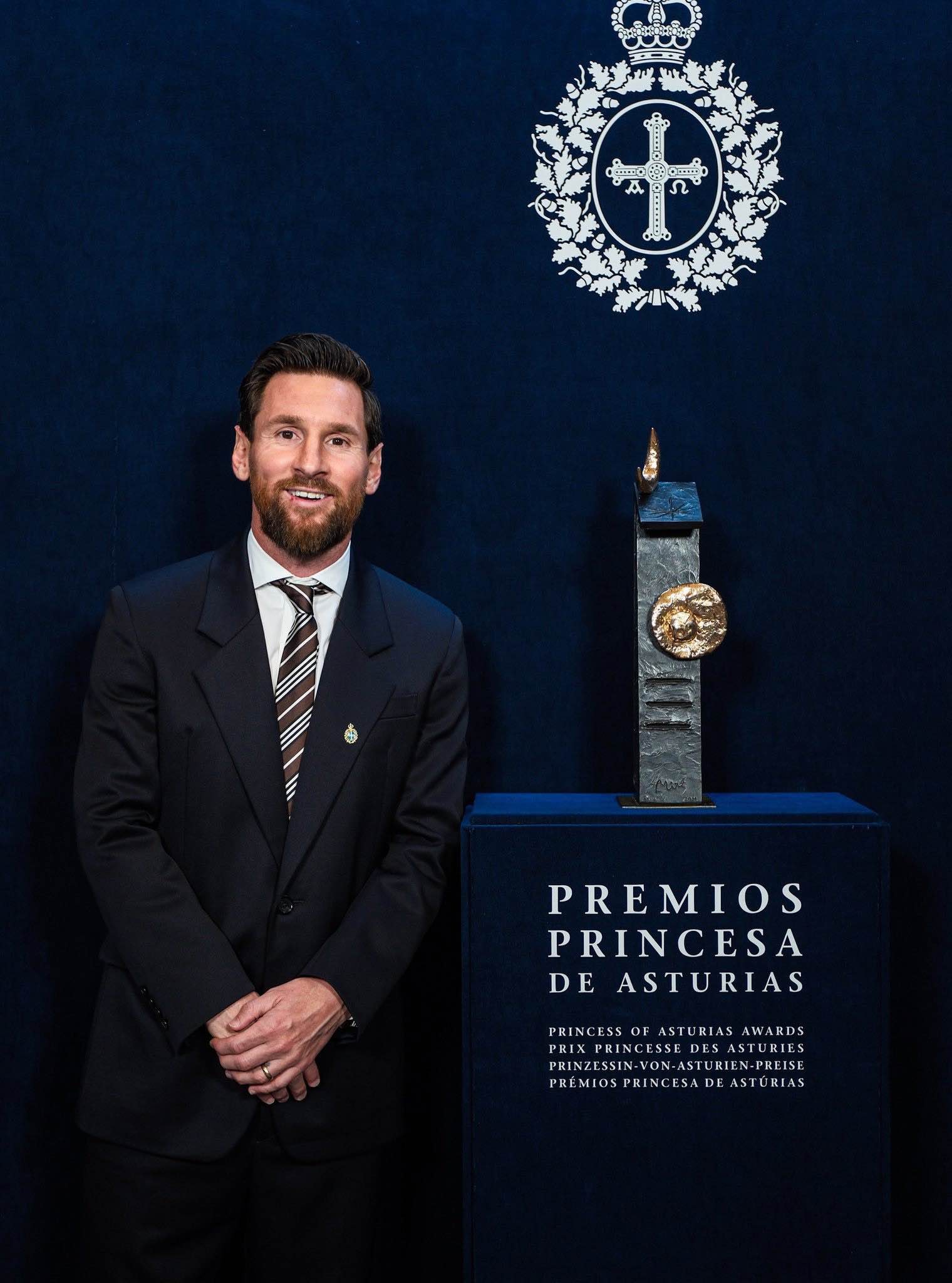
Messi Honoured in Spain as Princess of Asturias Award Takes on Special Meaning After Father’s Death
Lionel Messi has received the 2026 Princess of Asturias Award for Sports in Oviedo, Spain, with the Argentine superstar dedicating part of the emotional occasion to his late father, Jorge Messi, who had strongly encouraged him to travel to Spain and accept the prestigious honour.
NewsVaultHQ7 min read
Read more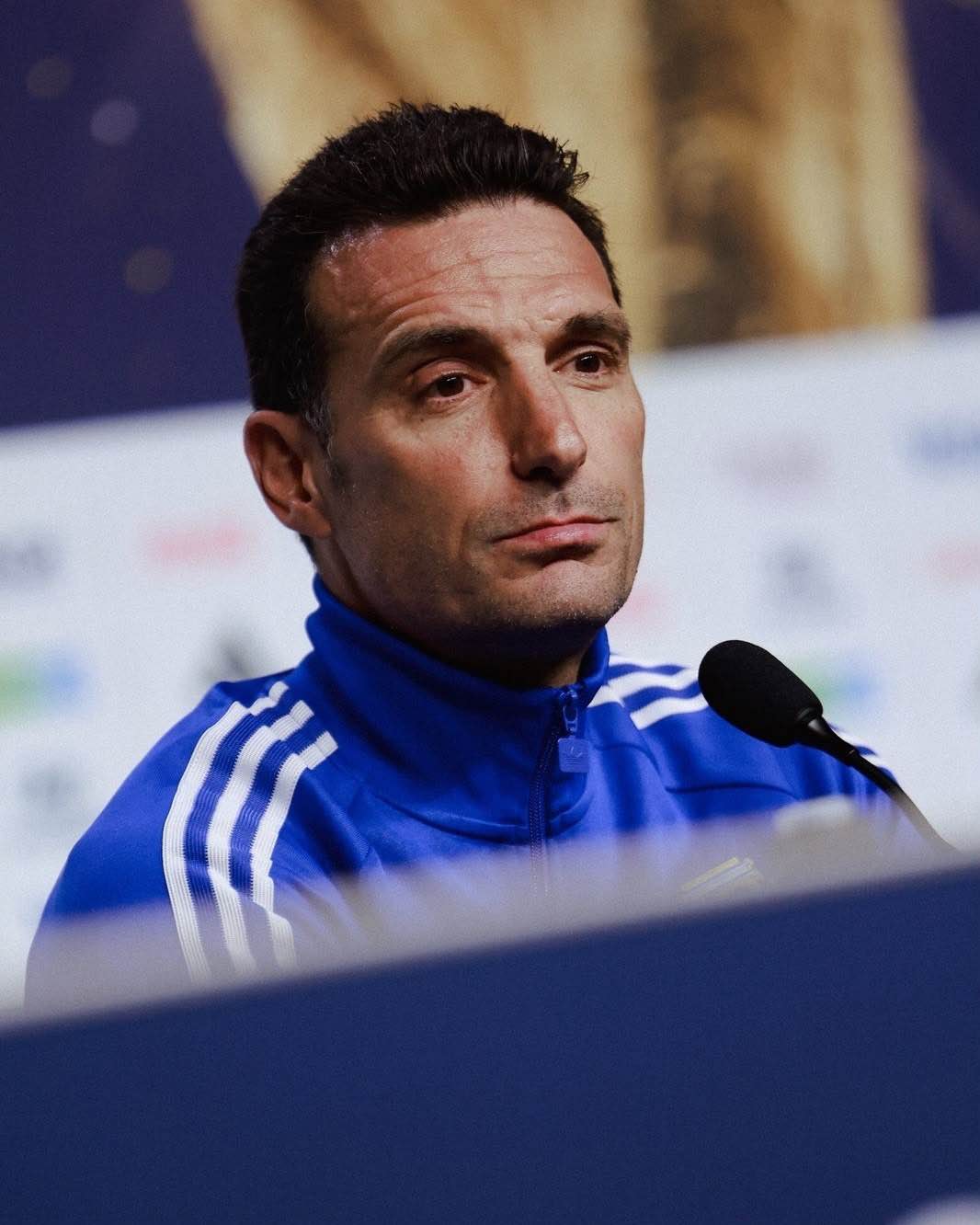
Scaloni Set to Remain Argentina Coach Until 2030 After Reaching New Agreement
Lionel Scaloni has agreed to continue as Argentina head coach, with the World Cup-winning manager set to extend his stay with the national team until the 2030 FIFA World Cup once the remaining contractual details are completed.
NewsVaultHQ5 min read
Read more
Turkish FA imposes 45-day betting bans on 147 club officials
The Turkish Football Federation has handed 45-day bans to 147 current and former club officials after finding them guilty of violating betting regulations, with Trabzonspor president Ertuğrul Doğan among those sanctioned.
NewsVaultHQ6 min read
Read more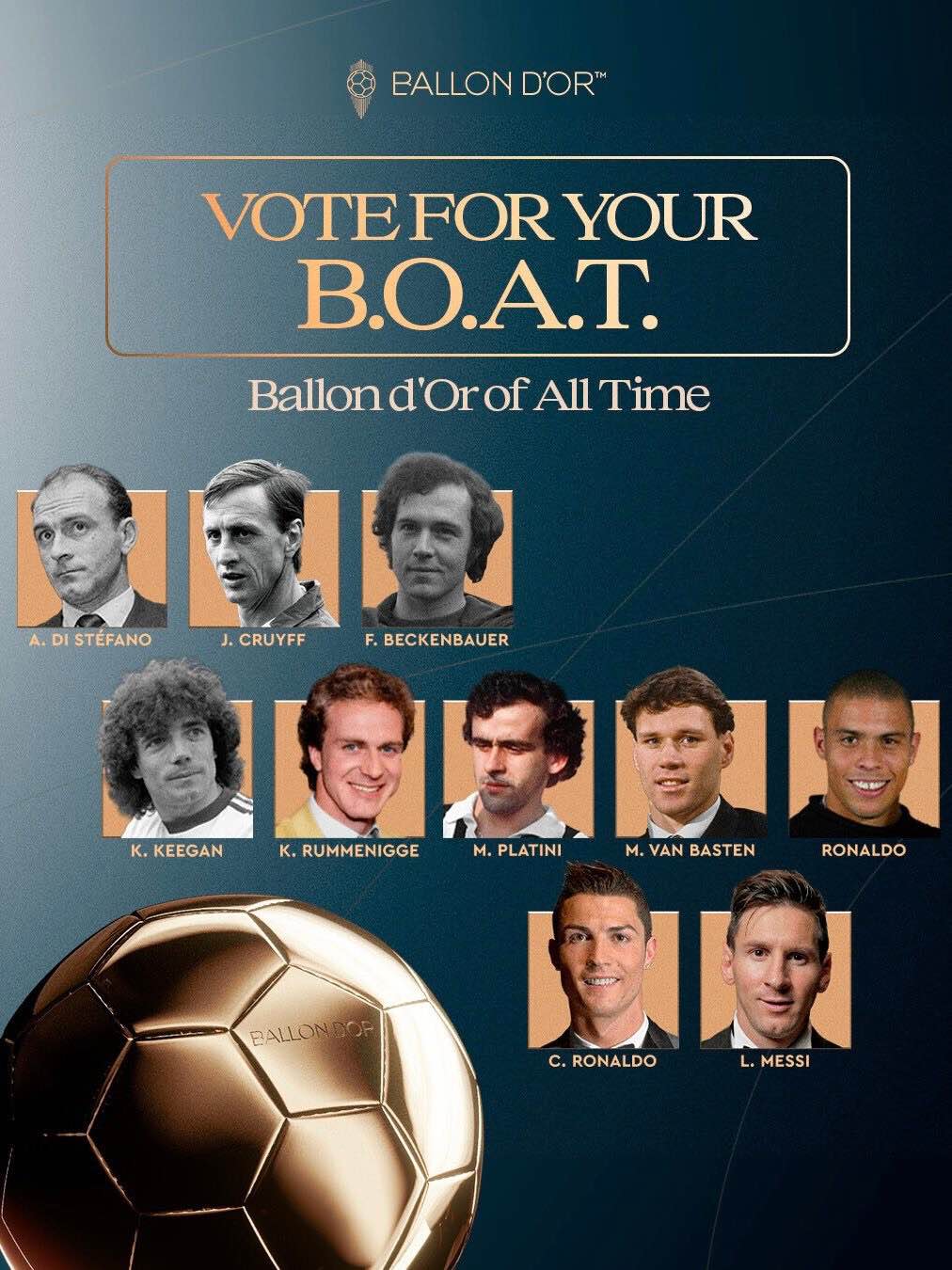
Lionel Messi, Cristiano Ronaldo and eight other legendary winners have been nominated for the Ballon d’Or Of All Time award as football prepares to celebrate the prize’s 70th anniversary.
Ballon d’Or Of All Time Nominees Revealed as Messi, Ronaldo and Football Legends Make the List.
NewsVaultHQ5 min read
Read more