
World
APC Fires Back at Atiku Over ₦10bn Ebola Fund, Says Money Remains Untouched
The APC Presidential Campaign Council has rejected Atiku Abubakar’s criticism of the Federal Government’s handling of Nigeria’s latest Ebola case, insisting that the ₦10 billion approved by President Bola Tinubu for emergency preparedness in June remains untouched.

The All Progressives Congress (APC) Presidential Campaign Council has responded sharply to former Vice President Atiku Abubakar’s questions over the Federal Government’s management of Nigeria’s latest Ebola case, saying the ₦10 billion approved by President Bola Tinubu for emergency preparedness has not been spent.
The council also accused Atiku of politicising a serious public health matter after the former vice president demanded an explanation of how the emergency allocation was being handled.
The dispute follows the confirmation of an Ebola case in Abuja on October 20 involving a Nigerian who had travelled from Uganda. Health authorities have since identified 44 people who had contact with the patient and begun monitoring them as part of efforts to prevent further transmission.
The APC campaign council’s position was contained in a statement issued on Thursday by its spokesperson, Dele Alake. The statement was also shared by presidential spokesperson Bayo Onanuga.
According to Alake, the ₦10 billion approved by Tinubu in June remains untouched, while agencies including the Nigeria Centre for Disease Control and Prevention (NCDC), the Federal Airports Authority of Nigeria (FAAN) and other surveillance bodies have relied on other available resources to respond to the health threat.
The statement effectively shifts the focus of the controversy from alleged misuse of the money to why the funds have not been utilised despite the President’s earlier directive.
Tinubu approved ₦10bn in June
The Federal Government announced in June that Tinubu had approved the immediate release of ₦10 billion to strengthen Nigeria’s preparedness against Ebola and other emerging public health threats.
The President also approved the establishment of a Presidential Task Force on Ebola, chaired by his Chief of Staff, Femi Gbajabiamila.
The move came against the backdrop of Ebola outbreaks in other African countries and concerns about the possibility of imported cases entering Nigeria through international borders.
However, following the confirmation of the Abuja case, Atiku questioned the status of the allocation and demanded a detailed account of how the money had been managed.
Through his Director of Strategic Communication, Phrank Shaibu, Atiku asked the Federal Government to disclose the amount actually disbursed, payment dates, contracts awarded, beneficiaries and items supplied.
The former vice president argued that announcing emergency funding was not enough without evidence showing how the money was released and used.
Atiku also raised questions about the handling of the Ebola case, particularly the country’s surveillance system, contact tracing and the protection available to healthcare workers who may come into contact with infected patients.
APC rejects Atiku’s criticism
The APC campaign council dismissed the allegations, maintaining that government agencies have been responding to the situation with resources already available to them.
Alake said surveillance systems at Nigeria’s points of entry helped alert authorities to the infection and contributed to the contact-tracing process.
The council said 44 contacts linked to the confirmed patient had been identified and placed under surveillance.
The APC spokesperson argued that the response should be viewed within the scientific realities surrounding Ebola rather than interpreted as evidence of a failure by the government.
He pointed to the virus’s incubation period, which can range from two to 21 days, explaining that symptoms do not necessarily appear immediately after infection.
The council said an infected person does not transmit Ebola before symptoms develop, which it argued helps explain why the patient was not necessarily identified as infected immediately upon arrival in Nigeria.
Atiku questioned the timeline
Atiku’s criticism also focused on the timeline surrounding the Abuja case.
According to his camp, the patient arrived in Nigeria on October 5, developed symptoms two days later and sought treatment at a private hospital on October 11. The Federal Government subsequently confirmed the Ebola infection publicly on October 20.
Atiku argued that the timeline raised questions about the country’s preparedness and whether the emergency response mechanisms were working as expected.
He also expressed concern about the protection of healthcare workers and the possibility that people who came into contact with the patient may not have been monitored quickly enough.
The APC council, however, rejected the interpretation and defended the work of the health and surveillance agencies.
Council accuses Atiku of politicising Ebola
Beyond the issue of the emergency fund, the APC campaign council took issue with the political tone of Atiku’s statement.
The former vice president had used a headline linking Tinubu’s first name, Bola, with Ebola while questioning the whereabouts of the ₦10 billion.
The APC described the wording as disrespectful to the President and argued that it risked turning a serious health emergency into an avenue for political ridicule.
Alake said the focus should instead remain on containing the disease and supporting the agencies responsible for protecting the public.
The council further criticised Atiku’s suggestion that government briefings about Ebola could discourage Nigerians from attending political rallies or participating in the 2027 elections.
Alake described the claim as speculative and said the government had not announced restrictions on political participation. Instead, he said officials were encouraging Nigerians to follow public health protocols designed to prevent further spread of the virus.
Why the ₦10bn remains a major issue
Although the APC council says the money remains untouched, the disclosure is likely to keep questions about the emergency allocation alive.
The President’s June directive was presented as an urgent intervention intended to strengthen preparedness and operational capacity.
The council’s latest explanation suggests that the NCDC, FAAN and other agencies have been able to use existing resources instead of drawing from the ₦10 billion specifically approved for the Ebola emergency.
However, the statement did not provide financial records showing the current status of the allocation or independently document the resources being used by the agencies.
That distinction is important because Atiku’s demand was not simply for assurances that the money existed. He called for detailed information on disbursements, contracts, beneficiaries and supplies connected to the emergency response.
The controversy therefore leaves two separate questions on the table: whether the ₦10 billion has actually remained untouched, as the APC council claims, and how much other public money has been spent on Nigeria’s Ebola preparedness and response.
Government urges cooperation
With the confirmed case already triggering contact tracing, the APC council called on political actors to avoid spreading unverified claims about the outbreak.
Alake urged Nigerians to support health authorities and comply with guidance issued by the relevant agencies.
The council maintained that the Ebola situation should not become a political contest, particularly at a time when health officials are attempting to prevent the infection from developing into a wider outbreak.
For the Federal Government, the immediate priority remains containing the confirmed case and monitoring those who may have been exposed.
For the opposition, however, the handling of the ₦10 billion remains a question of transparency and accountability.
As the response continues, greater disclosure of the fund’s status and the expenditure already incurred by government agencies could help settle the political dispute and provide Nigerians with clearer information about the country’s level of preparedness.
The latest exchange between Atiku and the APC campaign council has therefore placed both public health management and financial accountability at the centre of the Ebola conversation, with the government insisting that its response is active while the opposition continues to demand detailed evidence of preparedness and spending.
Related stories

FG Tightens Ebola Screening as Nigeria Moves to Seal Entry-Point Gaps
The Federal Government has ordered stricter enforcement of Ebola screening and health protocols at Nigeria’s designated points of entry following concerns over breaches of existing measures.
NewsVaultHQ5 min read
Read more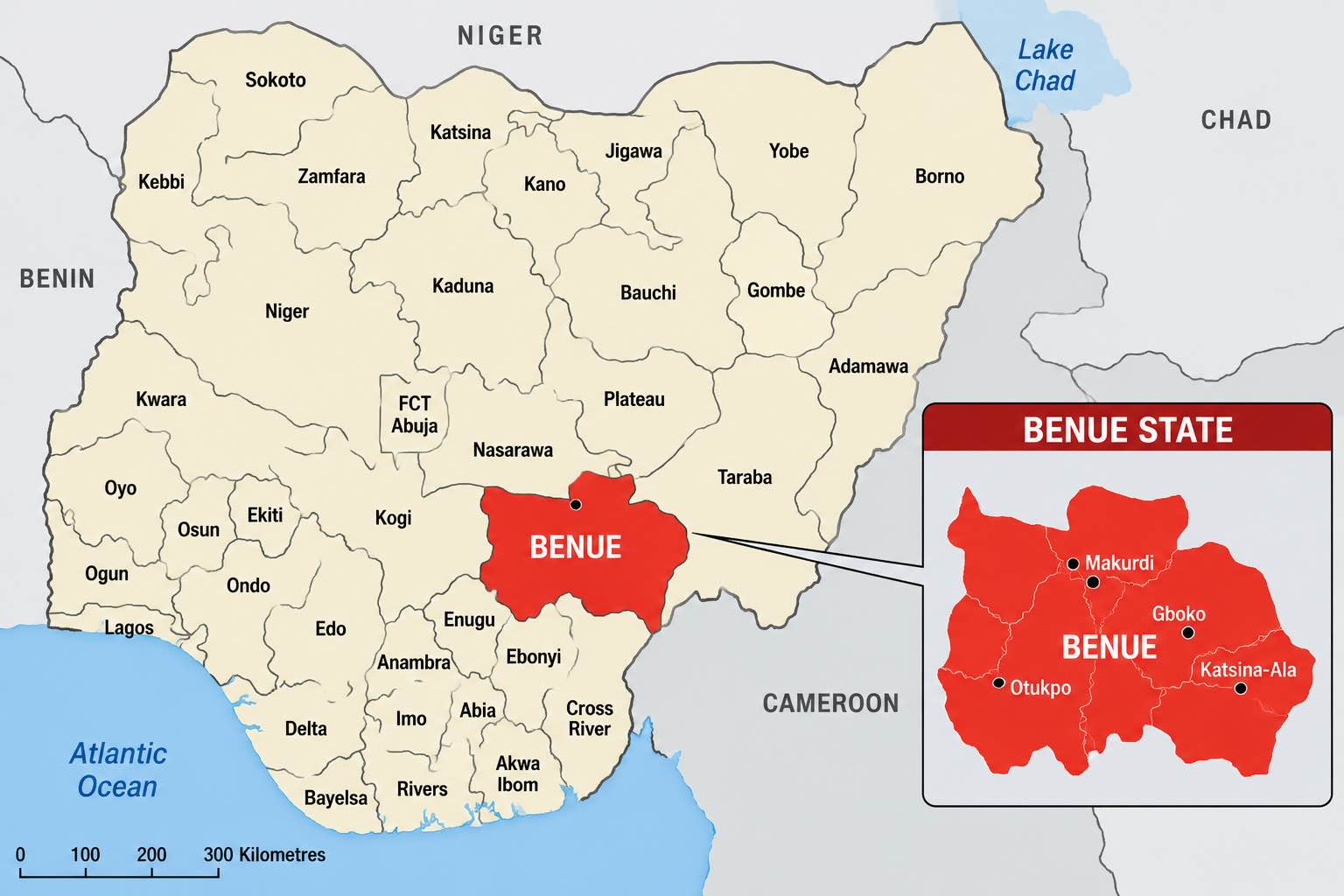
Senate Demands Probe Into Benue Killings As Death Toll Hits 113
The Nigerian Senate has directed the Inspector-General of Police, Tunji Disu, to investigate the reported killing of 113 people in four separate attacks across communities in Benue State and ensure those responsible are brought to justice.
NewsVaultHQ5 min read
Read more
France Reports First Human Shamonda Virus Case as Disease Spreads Across Western Europe
France has confirmed the world’s first documented human infection with Shamonda virus after a severely immunocompromised patient died in early October. The virus, which primarily affects livestock, has now been detected across 14 Western European countries and territories.
NewsVaultHQ7 min read
Read morePutin Meets Trump Envoy Witkoff as Russia Signals Readiness to Resume Ukraine Peace Talks
Russian President Vladimir Putin has met U.S. special envoy Steve Witkoff in St. Petersburg as Washington steps up diplomatic efforts to end the war in Ukraine, with Moscow now signaling that it is prepared in principle to resume trilateral negotiations with the United States and Ukraine in November.
NewsVaultHQ8 min read
Read more