
BreakingWorld
US Strikes Iran Ahead of Midterm Elections as Tensions Rise Over Strait of Hormuz
The United States has carried out fresh military strikes against Iranian targets near the strategically important Strait of Hormuz, just hours before Americans head to the polls for the 2026 midterm elections. The operation has raised fresh concerns about a possible escalation of the conflict, despite President Donald Trump’s claims that diplomatic negotiations with Tehran could still produce an agreement.
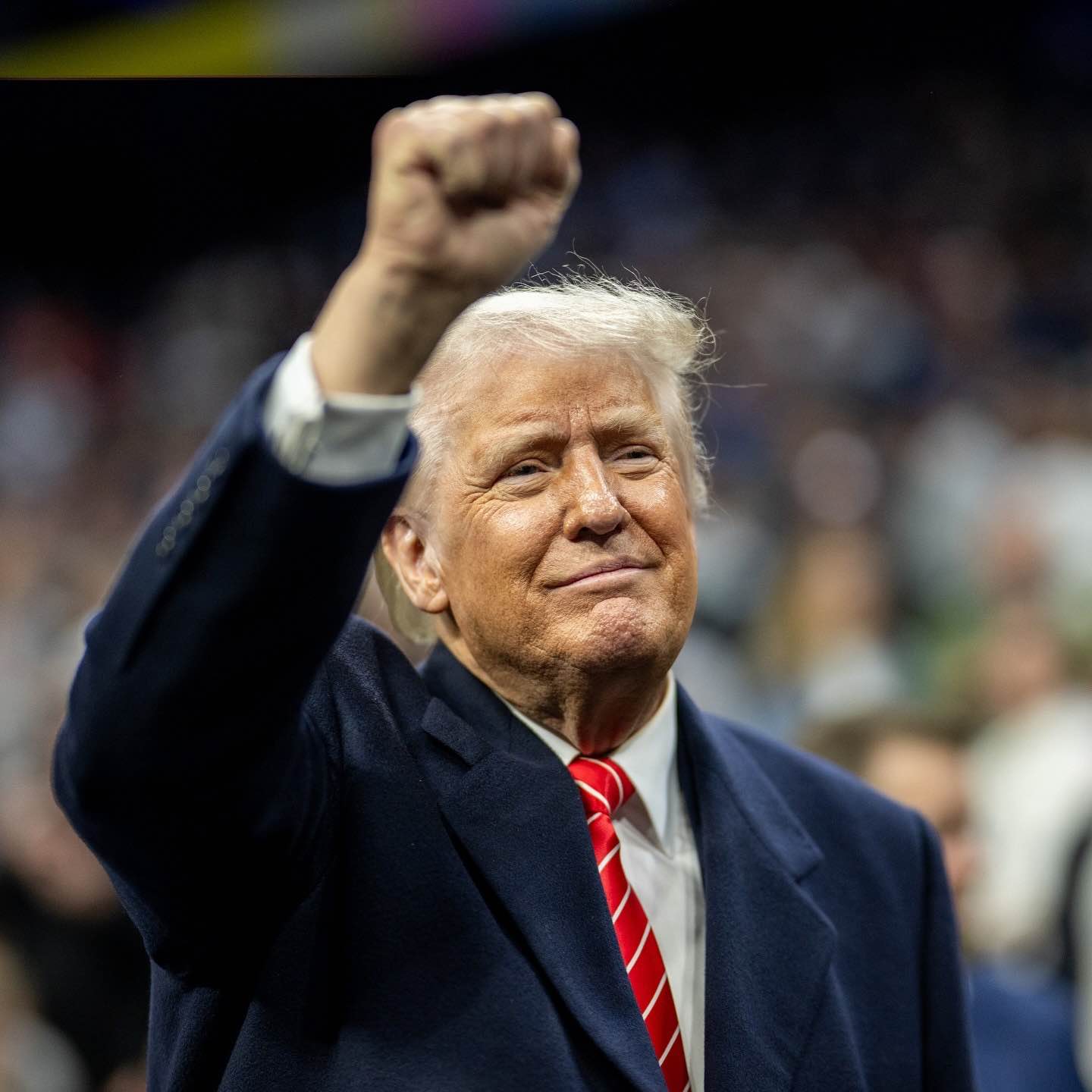
US Strikes Iran Ahead of Midterm Elections as Tensions Rise Over Strait of Hormuz
The United States has launched fresh military strikes against Iran, targeting strategic locations near the Strait of Hormuz in an operation that has increased tensions between Washington and Tehran ahead of the country’s November 3 midterm elections.
The strikes, which reportedly took place on Monday, November 2, targeted Iranian military positions on Qeshm Island, according to reports citing American officials. The operation comes at a particularly sensitive moment for President Donald Trump, whose administration has been facing growing pressure over the prolonged conflict with Iran and its impact on the American economy.
The development is also significant because Trump had previously indicated that the United States would not launch further attacks against Iran before the midterm elections. His earlier position appeared to suggest that Washington was prioritising diplomatic discussions and avoiding another military escalation before Americans cast their votes.
However, the latest operation has raised questions about the administration’s military strategy and whether the president is prepared to maintain pressure on Tehran while publicly expressing confidence in the possibility of a negotiated settlement.
American Forces Target Iranian Positions
According to reports from the Associated Press and other international media organisations, American forces carried out limited strikes against Iranian targets near the Strait of Hormuz.
A US official, speaking anonymously because they were not authorised to comment publicly, said the operation targeted Iranian forces that had been using surface-to-air missiles against American military assets operating in the region.
The reported targets included locations on Qeshm Island, an important Iranian territory situated near the entrance to the Strait of Hormuz. Explosions were also reported on Hengam Island and around Bandar Abbas, although the full extent of the damage from the operation remained unclear.
Iranian state media reported hearing several explosions in the affected areas. Residents reportedly witnessed aircraft flying over parts of the island during the incident.
Unlike some earlier military operations during the conflict, Washington did not immediately announce the strikes publicly. Their existence became known through reports citing American officials, highlighting the administration’s apparent preference for keeping certain military activities away from public attention.
The operation has been described by American officials as defensive rather than an indication that Washington intends to restart a full-scale military campaign against Iran.
Nevertheless, the decision to conduct fresh attacks while diplomatic discussions remain ongoing has complicated efforts to reduce tensions between both countries.
Why Qeshm Island Matters
Qeshm Island holds considerable strategic importance because of its location near the Strait of Hormuz, one of the world’s most important maritime transportation routes.
The narrow waterway connects the Persian Gulf with the Gulf of Oman and provides a critical passage for international energy shipments. A significant proportion of the world’s oil supply normally passes through the strait, making its security extremely important to global markets.
Iran’s geographical position gives it considerable influence over maritime activities in the area. Any military confrontation involving the country can therefore have consequences far beyond the Middle East.
Qeshm Island is also home to important military infrastructure, including facilities associated with Iran’s missile and naval capabilities. Its location makes it particularly significant in any confrontation involving control of the surrounding waters.
Washington has repeatedly expressed concerns about threats to commercial shipping and American military personnel operating around the Strait of Hormuz.
The latest strikes are understood to be connected to efforts to restrict Iran’s ability to threaten vessels and military assets in the region.
For the United States, protecting maritime transportation is not simply a military priority. It is also an economic concern because prolonged disruption to shipping could affect energy prices, international trade and the wider global economy.
Trump’s Earlier Promise Not to Attack Iran
The timing of the latest operation has attracted considerable attention because of Trump’s previous comments regarding military action against Iran.
On October 8, the American president publicly stated that Washington would not attack Iran before the November 3 midterm elections.
His announcement came amid reports that both countries were involved in productive discussions aimed at finding a possible solution to the conflict.
The president’s position appeared to offer some reassurance that the United States would avoid further military escalation while negotiations continued.
However, the latest strikes have created a clear contrast between his earlier public assurances and the military developments now unfolding.
When questioned about the possibility of additional attacks after the elections, Trump reportedly indicated that he was not considering an immediate new operation.
He also played down the recent military situation, suggesting that the United States had already won the conflict and that there had been little fighting in recent months.
During an interview with Fox News on Tuesday, November 3, Trump confirmed the latest strikes, describing the operation as a minor attack.
He explained that American forces had targeted an Iranian anti-aircraft facility shortly after it had been completed.
His confirmation provided further clarity about the operation, although questions remain about the possibility of additional military action.
The president’s statements have also raised questions about how his administration intends to balance military pressure with its stated commitment to diplomatic negotiations.
Iran Warns Against Further Escalation
Tehran has responded to the latest developments with strong warnings, making it clear that the country remains prepared to defend itself against further American military action.
Iran’s chief negotiator, Mohammad Bagher Ghalibaf, warned that the Islamic Republic remained ready for confrontation.
His remarks reflected the growing frustration within the Iranian leadership over continued American military pressure despite ongoing diplomatic engagements.
Iranian Deputy Foreign Minister Kazem Gharibabadi also maintained that the country retained its right to legitimate self-defence following the strikes.
The Iranian government has not presented the latest developments as an indication that diplomatic negotiations are over. Instead, officials have continued to emphasise that discussions remain possible if Washington demonstrates a willingness to pursue a political solution.
President Masoud Pezeshkian has also warned against returning to a wider conflict, arguing that another war would benefit neither country.
His comments suggest that Tehran is attempting to maintain diplomatic opportunities while preparing for the possibility of further military confrontation.
The position reflects the difficult situation facing Iran, which must respond to American military pressure without necessarily abandoning negotiations that could help reduce the economic and political consequences of the conflict.
Diplomatic Efforts Continue Despite Military Tensions
Despite the latest attacks, diplomatic efforts between Washington and Tehran have not completely collapsed.
Qatar has continued playing an important role as a mediator in discussions involving both countries. The Gulf nation has been involved in efforts to bring the two sides closer to an agreement that could prevent another major military confrontation.
Reports indicate that Iranian representatives have been involved in discussions with Qatari mediators, with Vice President JD Vance expressing optimism about the possibility of reaching a negotiated settlement.
Vance previously suggested that the administration was encouraged by the progress made during recent discussions.
Trump has also continued suggesting that an agreement with Iran could happen, arguing that Tehran is interested in reaching a settlement as soon as possible.
One of the central issues remains Iran’s nuclear programme. Washington has repeatedly maintained that Tehran must not be allowed to develop nuclear weapons.
Other major disagreements include maritime security, restrictions on Iranian oil exports, military activities in the region and the conditions under which economic pressure against Iran could be reduced.
The challenge for both governments will be finding an arrangement that addresses their security concerns without requiring either side to make concessions it considers unacceptable.
The latest strikes could complicate that process, particularly if Iranian authorities decide that further military responses are necessary.
Midterm Elections Put Trump Under Pressure
The military development comes as American voters prepare to participate in the November 3 midterm elections, which could have significant consequences for Trump’s administration.
The elections are particularly important because they will determine the balance of power in Congress and influence how easily the president can advance his domestic and foreign policy priorities.
Republicans are facing pressure to maintain their congressional majorities, while Democrats are hoping to gain enough seats to increase their influence over the legislative process.
The conflict with Iran has become an important political issue because of its economic consequences, particularly rising energy costs and concerns about the wider financial impact of prolonged military involvement.
Higher gasoline prices have added to the difficulties facing American households, creating another challenge for an administration already dealing with public dissatisfaction over the cost of living.
For Trump, the timing of the latest strikes presents a complicated political situation.
While his administration has defended American military operations as necessary for national security, voters may question why military action is continuing when the president has repeatedly suggested that the conflict is largely under control.
The opposition could also use the development to question the administration’s handling of foreign policy and its ability to bring the confrontation to an end.
However, the extent to which the strikes will influence voting decisions remains uncertain.
What Happens Next?
The immediate concern is whether the latest American operation will trigger another round of retaliation from Iran.
Both countries have significant military capabilities in the region, and any miscalculation could quickly turn a limited confrontation into a much wider conflict.
The Strait of Hormuz remains particularly vulnerable because of its importance to international shipping and energy supplies.
Any renewed disruption could have consequences for oil prices, shipping costs and countries that depend heavily on energy imports.
Governments across the Middle East will also be watching developments closely, particularly those that could be affected by further military exchanges between Washington and Tehran.
For now, the Trump administration appears determined to maintain military pressure while leaving the door open for diplomatic negotiations.
Iran, meanwhile, has warned that it will not accept continued attacks without preserving its right to respond.
The coming days could therefore prove decisive in determining whether both countries move towards a diplomatic agreement or continue along a path of confrontation.
Although the latest strikes have not been presented as the beginning of another full-scale American military campaign, they demonstrate that tensions remain far from resolved.
With the United States heading into an important election and Iran refusing to abandon its security demands, the international community will be watching closely to see whether diplomacy can prevent another major escalation in the Middle East.
- Tags
- US-Iran Conflict
- Donald Trump
- Iran
- US Military
- Middle East Crisis
- Strait of Hormuz
- US Midterm Elections
Related stories

Binance Users Withdraw $3.6 Billion After Largest-Ever Crypto Hack
Binance customers pulled approximately $3.64 billion from the exchange after withdrawals resumed following a record $6.3 billion cryptocurrency theft, putting customer confidence and the platform’s security measures under intense scrutiny.
NewsVaultHQ7 min read
Read moreDebt Worse Than Leprosy, Destroys Generations, Says Obasanjo
Former President Olusegun Obasanjo has strongly criticised President Bola Tinubu’s position on government borrowing, warning that excessive debt could place a burden on generations yet unborn.
NewsVaultHQ5 min read
Read more
Obi questions Tinubu’s competence as reports outline his plans for Nigeria
Peter Obi has launched a fresh attack on President Bola Tinubu’s leadership, questioning his capacity to continue governing Nigeria and urging voters to choose their next president based on competence, capacity and performance rather than ethnic identity.
NewsVaultHQ6 min read
Read morePolice Arrest Man in Viral Video Preaching Religious Intolerance and Violence
The Zamfara State Police Command has arrested a 22-year-old man linked to a viral video allegedly containing threats of violence against Christians in Enugu and Plateau states.
NewsVaultHQ5 min read
Read more