
Football
Cristiano Ronaldo Suspended for 30 Days and Fined €255 by Portuguese FA After National Team Walkout.
Cristiano Ronaldo has been handed a 30-day suspension and fined €255 by the Portuguese Football Federation after leaving the national team camp in Copenhagen ahead of the Nations League clash with Denmark. The Portugal captain had already apologised for his actions and accepted that disciplinary consequences were necessary.
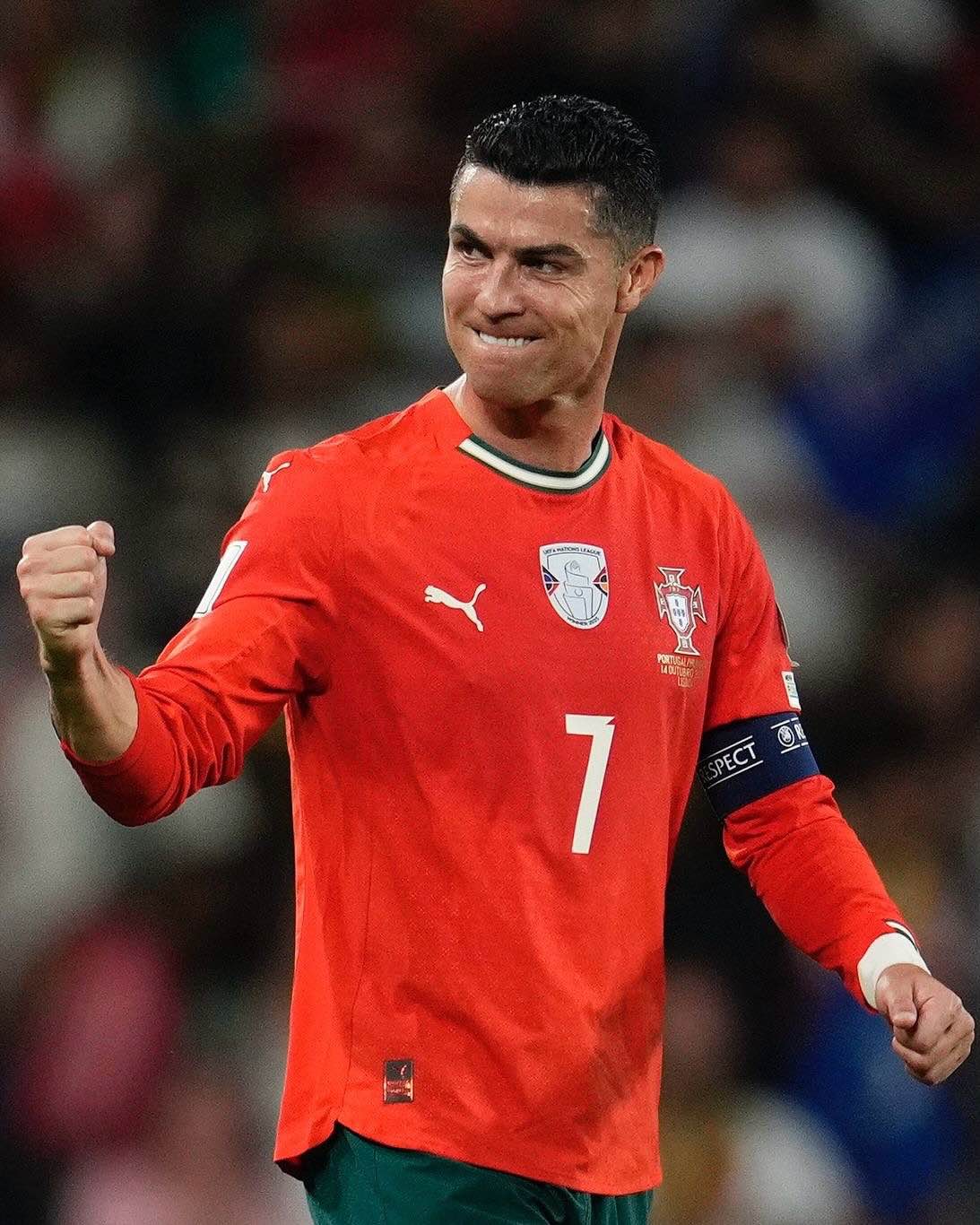
Cristiano Ronaldo has been suspended for 30 days and fined €255 by the Portuguese Football Federation (FPF) after being found guilty of leaving Portugal’s national team camp in Denmark without sufficient justification.
The disciplinary decision, announced on Monday, October 19, brings an end to the uncertainty surrounding the punishment Ronaldo could face for his controversial departure from the squad last month. The 41-year-old captain left Portugal’s training camp in Copenhagen on September 30, just before the team was due to face Denmark in the Nations League.
The incident quickly became one of the biggest talking points surrounding the Portuguese national team after Ronaldo departed the camp following a disagreement with head coach Jorge Jesus. The situation developed after Ronaldo was left on the bench and did not feature in Portugal’s previous match against Norway, despite claiming that he had been told he would play for around 30 minutes.
Ronaldo had warmed up during Portugal’s 2-1 victory over Norway but ultimately remained an unused substitute. The forward was unhappy with how the situation was handled and later expressed his frustration with comments made by Jesus during a press conference ahead of the Denmark fixture.
According to Ronaldo’s explanation, there had been an understanding between himself and the coach regarding his involvement during the international break. He believed that the agreement had not been respected and that subsequent public comments made the situation worse.
Rather than remaining with the squad, Ronaldo decided to leave the national team’s base in Copenhagen. The Portuguese Football Federation confirmed at the time that the captain had departed camp, while stressing that preparations for the upcoming fixtures would continue with the remaining players.
The decision immediately raised questions about whether Ronaldo would face a significant disciplinary punishment. Portugal’s regulations provide for serious sanctions when an international player leaves a national team activity without justification, with the rules allowing for a suspension ranging from one to six months in certain circumstances.
The FPF subsequently opened disciplinary proceedings against Ronaldo and placed him under preventive suspension while the case was investigated. The process was classified as urgent, with the federation’s disciplinary bodies examining the circumstances surrounding his departure.
Ronaldo later addressed the controversy publicly and accepted responsibility for his decision to leave. While explaining the reasons behind his actions, the Portugal captain apologised to his teammates, the Portuguese supporters and everyone affected by the incident.
The Al-Nassr forward acknowledged that, regardless of his status within the national team, his actions could not simply be ignored. He also recognised that being Portugal’s captain carried additional responsibility.
Ronaldo made it clear that he was prepared to accept whatever punishment the federation considered appropriate. Rather than attempting to avoid disciplinary action, he argued that his actions should have consequences.
His position was particularly significant because he did not present his departure as an attempt to end his international career. Instead, Ronaldo maintained that he remained available to represent Portugal and hoped to return to the squad once the disciplinary matter had been resolved.
The FPF has now delivered its final punishment, imposing a 30-day suspension along with a €255 fine. The disciplinary council ruled that Ronaldo committed the offence intentionally under Article 160 of the federation’s disciplinary regulations.
The financial penalty is relatively small compared with Ronaldo’s enormous earnings as one of the highest-paid footballers in the world, but the suspension carries greater significance because of his position as Portugal’s captain and the circumstances surrounding the incident.
Interestingly, the punishment is considerably shorter than the maximum suspension that Ronaldo could potentially have faced under the federation’s regulations. The rules allow for much longer bans in cases involving an unjustified departure from national team activities.
Ronaldo’s willingness to accept responsibility and his apology appear to have been important factors in the final outcome. Reports before the decision indicated that an admission or confession could have an impact on the severity of the punishment under the federation’s disciplinary framework.
The controversy has nevertheless highlighted the complicated relationship between Ronaldo and Jorge Jesus, with the disagreement becoming public during an important period for Portugal.
Ronaldo has insisted that his frustration was not simply about being left out of a match. His main complaint centred on what he described as a breakdown in trust between himself and the national team coach.
Jesus, meanwhile, has maintained his authority over selection decisions, with the coach entitled to decide when and how Ronaldo is used. The disagreement therefore became a clash between the wishes of one of the greatest players in football history and the authority of the man responsible for managing the national team.
Despite the dispute, Portugal continued its campaign without Ronaldo during the affected fixtures. The national team’s performances also helped ease some of the immediate pressure surrounding the controversy, allowing the players and coaching staff to focus on their competitive objectives.
For Ronaldo, the latest decision provides clarity over his disciplinary situation. The 30-day suspension means the forward will have to serve the punishment before returning to international duty, although the ban does not represent a long-term exclusion from the Portugal setup.
His future with the national team has attracted considerable attention because Ronaldo remains one of Portugal’s most important players despite being in the latter stages of his international career. He has repeatedly indicated that he still wants to contribute whenever he is physically capable and performing at a high level for his club.
The punishment also leaves the door open for Ronaldo to rebuild his relationship with the Portuguese setup. Whether that happens smoothly will depend partly on his relationship with Jesus and whether both sides can move beyond the disagreement that triggered the incident.
For now, the disciplinary case has reached its conclusion. Ronaldo has been officially sanctioned for walking away from Portugal’s camp, but the punishment does not signal the end of his international career.
The veteran forward had already acknowledged that his actions required consequences, and the federation has now determined exactly what those consequences will be: a 30-day suspension and a €255 fine.
Attention will now turn to Ronaldo’s eventual return and whether the Portugal captain can put the controversy behind him. With his commitment to representing the national team still intact, the next chapter could be focused less on the dispute and more on what he can contribute on the pitch.
For a player whose international career has been defined by records, trophies and leadership, the incident represents an unusual chapter. However, the latest decision gives Ronaldo and Portugal an opportunity to close the disciplinary matter and concentrate on their future together.
- Tags
- Cristiano Ronaldo
- Portugal
- Portugal National Team
- Portuguese Football Federation
- Jorge Jesus
- Cristiano Ronaldo Suspension
- FPF
Related stories
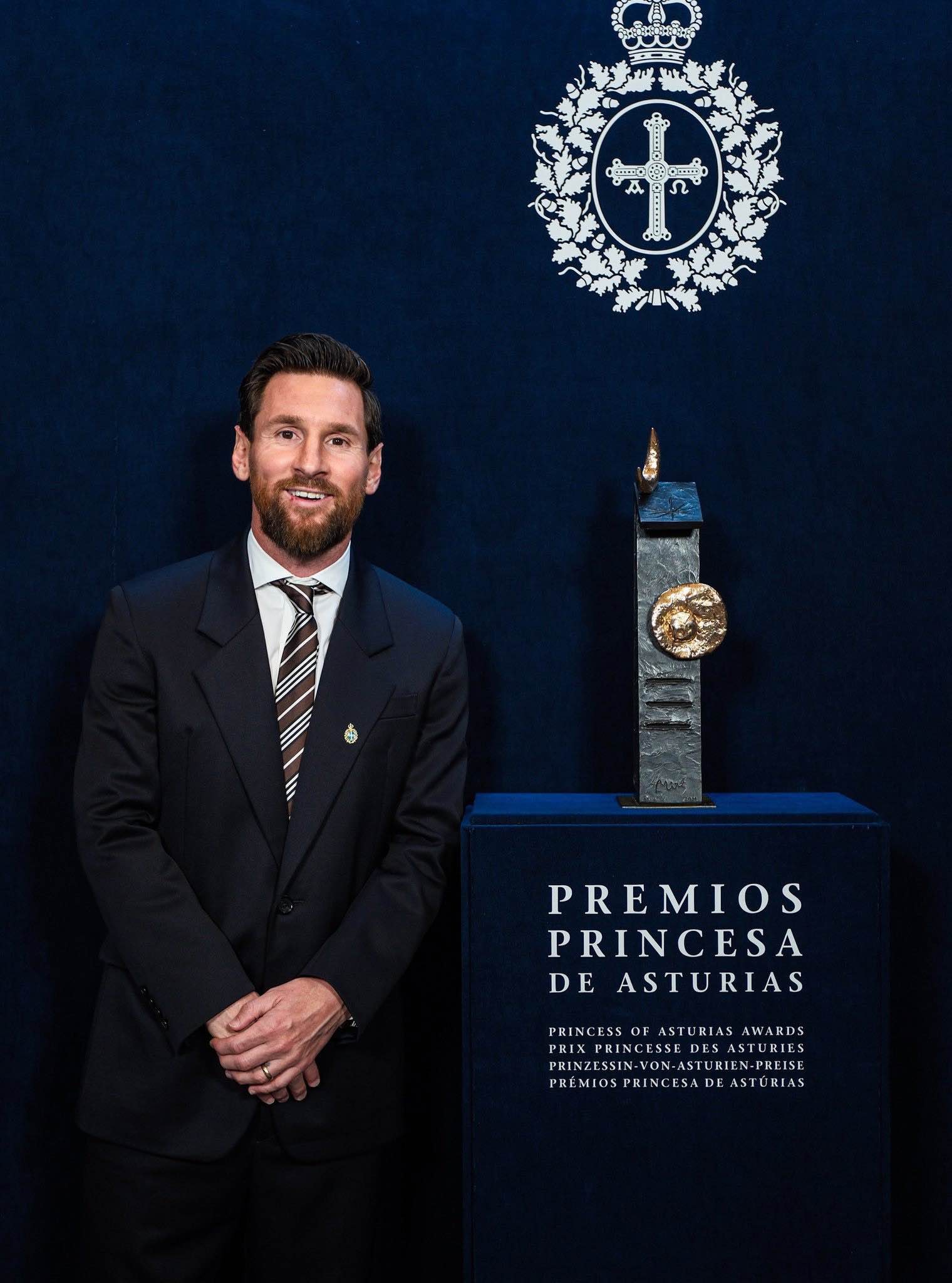
Messi Honoured in Spain as Princess of Asturias Award Takes on Special Meaning After Father’s Death
Lionel Messi has received the 2026 Princess of Asturias Award for Sports in Oviedo, Spain, with the Argentine superstar dedicating part of the emotional occasion to his late father, Jorge Messi, who had strongly encouraged him to travel to Spain and accept the prestigious honour.
NewsVaultHQ7 min read
Read more
FIFA Approves Committee to Steer Nigerian Football Through Leadership Crisis
FIFA has approved the appointment of a Normalisation Committee to oversee the Nigeria Football Federation and guide the country’s football administration towards fresh elections, with the committee’s mandate expected to end no later than May 31, 2027.
NewsVaultHQ5 min read
Read more
Scaloni Set to Remain Argentina Coach Until 2030 After Reaching New Agreement
Lionel Scaloni has agreed to continue as Argentina head coach, with the World Cup-winning manager set to extend his stay with the national team until the 2030 FIFA World Cup once the remaining contractual details are completed.
NewsVaultHQ5 min read
Read more
Turkish FA imposes 45-day betting bans on 147 club officials
The Turkish Football Federation has handed 45-day bans to 147 current and former club officials after finding them guilty of violating betting regulations, with Trabzonspor president Ertuğrul Doğan among those sanctioned.
NewsVaultHQ6 min read
Read more