
FIFA World Cup
FIFA Set to Inject Extra £2.6bn Into Global Football Development
FIFA is preparing a major funding boost for the 2027–2030 cycle, with an additional £2.6bn expected to support football development, infrastructure, youth programmes and women’s football worldwide.
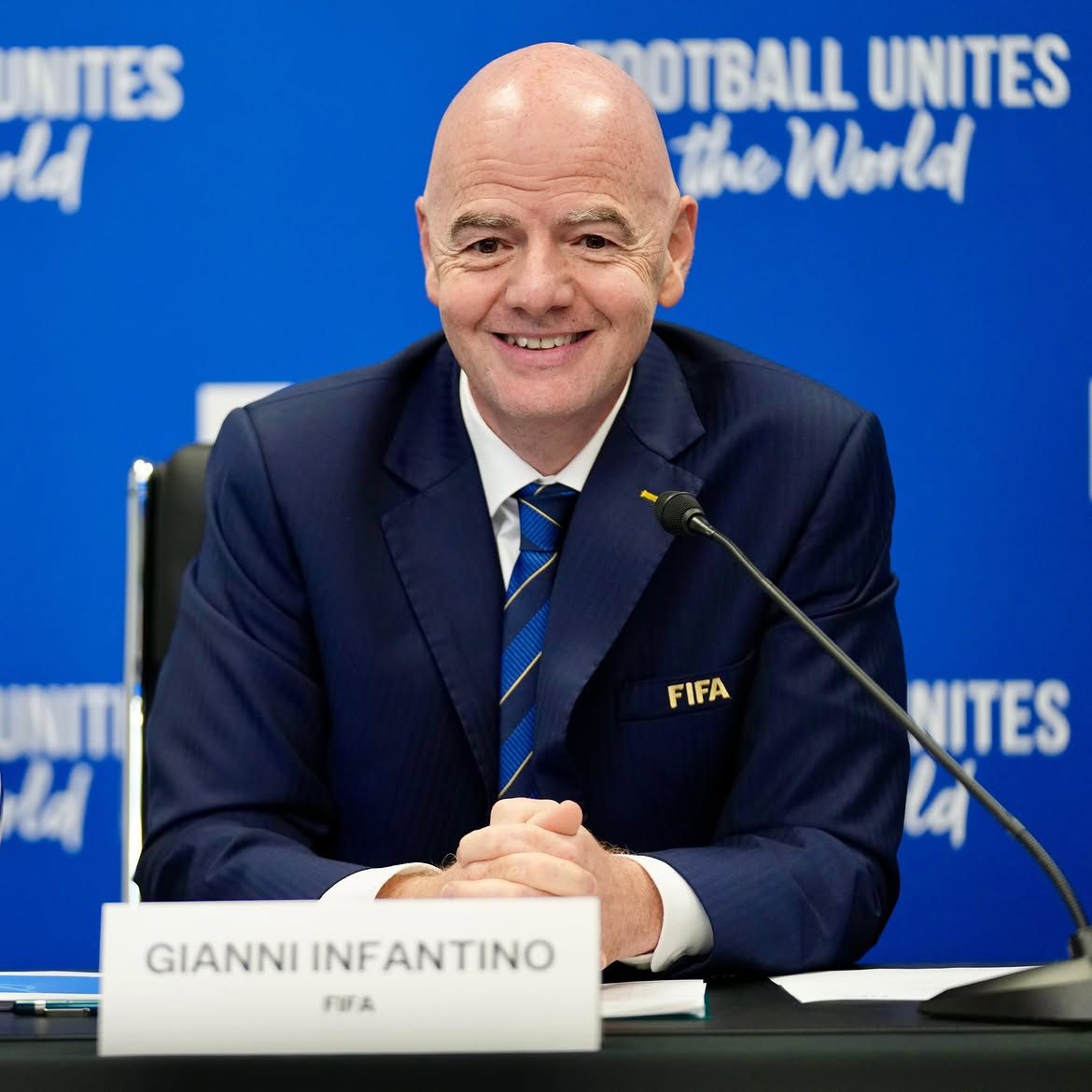

FIFA is preparing to offer an additional £2.6bn to support football development across the world as part of a major increase in funding planned for the 2027–2030 cycle.
The proposal, which is expected to be presented to the FIFA Council, would see the world football governing body release additional money from its reserves following the strong commercial performance of the 2026 World Cup.
According to reports, the proposed increase is worth approximately $3.4bn and would significantly raise the amount of funding available to FIFA’s member associations and other football bodies during the next four-year cycle. The plan is intended to strengthen football development at different levels, with particular attention expected to be given to women’s and youth football, infrastructure and individual development projects.
FIFA plans major increase in development funding
FIFA currently has around $2.7bn budgeted for distribution between 2027 and 2030. The proposed additional funding would take the overall development allocation to approximately $6.35bn.
The money would be distributed among FIFA’s 211 member associations, its six continental confederations, regional and zonal associations, as well as certain other eligible football organisations.
Under the proposed structure, each FIFA member association would receive $25m during the cycle. Each of the six confederations would receive $99m, while the 13 zonal and regional associations would receive $8.25m each.
A separate solidarity allocation of $1.1m would also be made available to 100 member associations for travel and equipment support.
The scale of the proposed investment would represent a significant expansion of FIFA’s existing development programmes.
Rather than limiting the funding to elite competitions, FIFA’s plan is designed to support projects that can improve football from the grassroots level through to national and international structures.
Focus on women and youth football
One of the most notable elements of the proposed plan is the emphasis on women’s and youth football.
Under the proposed distribution model, one-third of the development funding would be directed towards women’s and youth football development.
Another third would be allocated to infrastructure, with requirements intended to ensure that women and young players have equal access to the facilities supported by the programme.
The remaining third would be used for specific football development projects.
The structure would allow national associations to invest in areas such as player development, coaching, facilities and other initiatives designed to strengthen their football systems over the long term.
For developing football nations, the additional resources could provide an opportunity to improve facilities and create stronger pathways for young players.
The funding could also help associations expand women’s football programmes, improve access to training facilities and provide greater opportunities for players who might otherwise struggle to enter organised football.
Money would come from FIFA reserves
The proposal would be financed from FIFA’s existing reserves rather than through a new investment scheme.
The decision comes after FIFA generated significant commercial income from its competitions, including the expanded 2026 World Cup.
FIFA has previously used revenue from its major tournaments to finance development programmes around the world. The new proposal would represent another major step in redistributing those resources to national associations.
The announcement also comes after FIFA faced criticism over a separate proposal involving the creation of FIFA Forward Enterprise, an initiative that had been intended to bring private investment into the organisation’s competitions.
That plan was withdrawn following criticism from several football authorities, including UEFA, Concacaf and the Asian Football Confederation.
The decision to increase direct development funding could therefore help FIFA demonstrate that its financial resources are being channelled back into the game.
Pressure on Gianni Infantino
The funding proposal comes at a politically significant moment for FIFA president Gianni Infantino.
Infantino is expected to seek another term as FIFA president at the organisation’s congress in March 2027. His administration has faced increased scrutiny in recent months over financial and governance issues, including the abandoned FIFA Forward Enterprise proposal.
UEFA and Concacaf had previously called on FIFA to distribute more of its reserves directly to member associations. The two confederations had argued that FIFA had sufficient financial resources to provide additional support without putting the organisation’s financial stability at risk.
The new proposal would go substantially beyond the earlier calls for additional payments.
Infantino had previously indicated that he would support the greatest level of additional funding that could responsibly be delivered. The proposed £2.6bn increase now represents a significant expansion of that commitment.
What the funding could mean for global football
If approved, the additional investment could have a major impact on football outside the game’s traditional financial powerhouses.
Many national associations face challenges involving outdated stadiums, limited training facilities, shortages of qualified coaches and restricted opportunities for young players.
Additional FIFA funding could help address some of those problems by providing associations with resources to develop long-term projects rather than relying solely on domestic revenue.
Women’s football could also benefit considerably if the proposed allocation is implemented as outlined.
Investment in women’s competitions, academies, coaching and infrastructure could help more countries build sustainable women’s football systems.
Youth development would be another major beneficiary. Stronger academies and improved grassroots programmes can provide young players with better opportunities to progress into professional football and national teams.
Approval still required
Despite the scale of the proposal, the additional funding is not yet final.
The FIFA Council is expected to discuss the plan before its distribution framework is finalised. Details covering eligibility, applications, approvals, payments, monitoring and auditing are expected to be completed at a FIFA Council meeting in December 2026.
The proposal will then require approval at the 77th FIFA Congress in March 2027 before it can be fully implemented.
That means the final amount and distribution arrangements could still change before the programme receives formal approval.
If adopted, however, the plan would represent one of FIFA’s biggest commitments to football development and would significantly increase the resources available to associations around the world.
With billions of pounds potentially being channelled into women’s and youth football, infrastructure and development projects, the 2027–2030 cycle could become an important period for expanding the game beyond its established centres.
For FIFA, the proposal also provides an opportunity to demonstrate the value of its commercial success by directing a larger share of its resources towards the development of football at every level.
Related stories

Flamingos Stun Defending Champions North Korea to Seal U-17 World Cup Knockout Spot
Nigeria’s Flamingos produced one of their finest performances of the tournament, defeating defending champions Korea DPR 3-1 to qualify for the Round of 16 at the FIFA U-17 Women’s World Cup in Morocco.
NewsVaultHQ5 min read
Read moreFIFA Names United States Host for Historic 2028 Women’s Club World Cup
FIFA has officially selected the United States to host the inaugural Women’s Club World Cup in January 2028, with 19 clubs from all six football confederations set to compete for the historic title.
NewsVaultHQ6 min read
Read more
FIFA U-17 Women’s World Cup: Nigeria Flamingos Beaten by Poland.
Nigeria’s Flamingos suffered a 2-1 defeat to Poland in their opening Group B match at the FIFA U-17 Women’s World Cup in Rabat, despite a late fightback that gave them hope of rescuing a point.
NewsVaultHQ5 min read
Read more
Netflix Lands Exclusive Rights to Broadcast 2030 World Cup in Spain and Andorra.
Netflix has secured exclusive broadcast rights to the 2030 FIFA World Cup in Spain and Andorra, giving the streaming giant access to all 104 matches of the historic centenary tournament.
NewsVaultHQ7 min read
Read more