
BreakingFIFA World Cup
Infantino Claims ‘Vast Majority’ Back His Bid for Fourth FIFA Term
FIFA president Gianni Infantino says he remains confident of securing another term after claiming widespread support from member associations, despite the controversy surrounding his abandoned World Cup investment plan.

FIFA president Gianni Infantino has insisted that he continues to enjoy the support of the “vast, vast majority” of world football as he prepares to seek another term in charge of the sport’s global governing body.
Infantino made the claim as pressure surrounding his leadership continues to dominate discussions ahead of next year’s FIFA presidential election. The 56-year-old is seeking a fourth and final term, despite facing criticism from several influential football authorities over a controversial proposal involving FIFA’s commercial rights.
Speaking to the BBC in Baku, Azerbaijan, where he was attending the FIFA Under-15 World Cup, Infantino dismissed suggestions that the recent controversy had seriously weakened his position. He argued that FIFA’s 211 member associations should ultimately determine who leads the organisation and said differences of opinion were part of any democratic institution.
According to Infantino, support for his candidacy remains strong across different regions of the football world.
He pointed to recent meetings and endorsements as evidence of his position, including the backing he received from the Asian Football Confederation (AFC). The AFC publicly endorsed Infantino for another term on Friday, providing an important boost after the confederation had previously criticised aspects of his leadership.
“I was elected by 211 member associations from all over the world,” Infantino said, stressing the importance of respecting the views of FIFA’s members.
He also referred to his recent visit to Japan and meetings in Africa, claiming that he had received broad backing from associations across the continent. Infantino said he had been engaging with football authorities around the world as he works to strengthen his position before the election.
The latest developments represent a significant change in the political atmosphere surrounding the FIFA president.
Just two months ago, Infantino was under intense pressure following the emergence of the FIFA Forward Enterprise proposal. The plan involved transferring part of FIFA’s commercial rights to a private investment structure, an idea that quickly created tension among major football organisations.
The proposal was eventually abandoned, but not before it generated a major backlash.
European football officials were particularly critical of the way the project was handled. UEFA, along with the Asian Football Confederation and CONCACAF, had previously been involved in a joint warning that football should not be treated as belonging to one individual.
The disagreement raised questions about Infantino’s relationship with some of FIFA’s most powerful regional partners and led to calls for greater transparency over the proposed investment arrangement.
Infantino subsequently apologised to FIFA’s ruling council for mistakes surrounding the project. However, his apology did not completely end the controversy, with European representatives continuing to express dissatisfaction over unanswered questions and the lack of clarity surrounding the proposal.
UEFA has demanded that FIFA provide key documents relating to the abandoned project, adding another layer of tension to the relationship between European football and the FIFA leadership.
Despite those problems, Infantino appears to have regained considerable political ground.
The AFC endorsement is particularly significant because Asia represents a large voting bloc within FIFA. The confederation has 46 member associations, giving its support considerable weight in an election involving all of FIFA’s national associations.
The shift is also notable because the AFC had been among the confederations expressing concerns about the direction of FIFA earlier in the year.
Infantino’s latest comments suggest that he believes the controversy surrounding the investment plan has not translated into a loss of support among the majority of FIFA members.
He acknowledged that disagreements exist within football but argued that opposing opinions should not automatically be interpreted as a rejection of his presidency.
“There is nothing bad in disagreeing,” Infantino said, maintaining that different views can exist within FIFA while the organisation continues to move forward.
His argument is centred largely on FIFA’s voting structure. Each member association has a vote in the presidential election, meaning the backing of individual national football associations can ultimately prove more important than criticism from a smaller number of powerful regional bodies.
For Infantino, that system remains central to his case for continuing in office.
The election is scheduled for March 2027, with Infantino seeking what would be his final term as FIFA president. He first took office in 2016 after replacing Sepp Blatter and has remained at the head of the organisation through two subsequent elections.
So far, no confirmed challenger has emerged to seriously threaten his position. Potential candidates have until November 18 to submit their nominations, meaning the coming weeks could still dramatically change the political landscape.
The absence of an established challenger is another factor working in Infantino’s favour.
However, the election is not completely without uncertainty. UEFA remains one of the strongest centres of opposition to the FIFA president, and the fallout from the abandoned investment plan has demonstrated that disagreements over FIFA’s financial and commercial direction can quickly become political.
Infantino will therefore need to maintain the support of national associations while attempting to repair relationships with football leaders who remain concerned about how FIFA operates.
His supporters can point to the financial expansion of FIFA’s development programmes and the increased resources being made available to national associations during his presidency. Those achievements have helped Infantino maintain influence, particularly among associations that have benefited from FIFA’s expanded funding.
His critics, meanwhile, continue to question the transparency of FIFA’s decision-making and the way major commercial initiatives are developed.
The coming months are likely to determine whether Infantino’s claim of overwhelming support translates into an actual election victory.
For now, however, the FIFA president appears confident.
The endorsement from Asia has strengthened his position, while his claim of broad support across Africa and other parts of the world suggests that he believes he has already built a strong electoral coalition.
Infantino also appears determined not to allow criticism from European football leaders to define the election narrative. Instead, he is presenting the contest as a democratic decision that should ultimately be left to FIFA’s member associations.
That approach could become a central theme of his campaign.
If the majority of FIFA’s members remain behind him, Infantino will have a strong path toward securing another term regardless of continued criticism from some of the organisation’s most influential football authorities.
But the situation could still change before the November nomination deadline.
A credible challenger backed by several confederations could transform the election from what currently looks like an Infantino-dominated contest into a genuine battle for FIFA’s presidency.
For now, though, the incumbent has made his position clear: he believes the support of the majority remains firmly behind him.
The final answer will come from FIFA’s 211 member associations when they cast their votes in March 2027.
Related stories
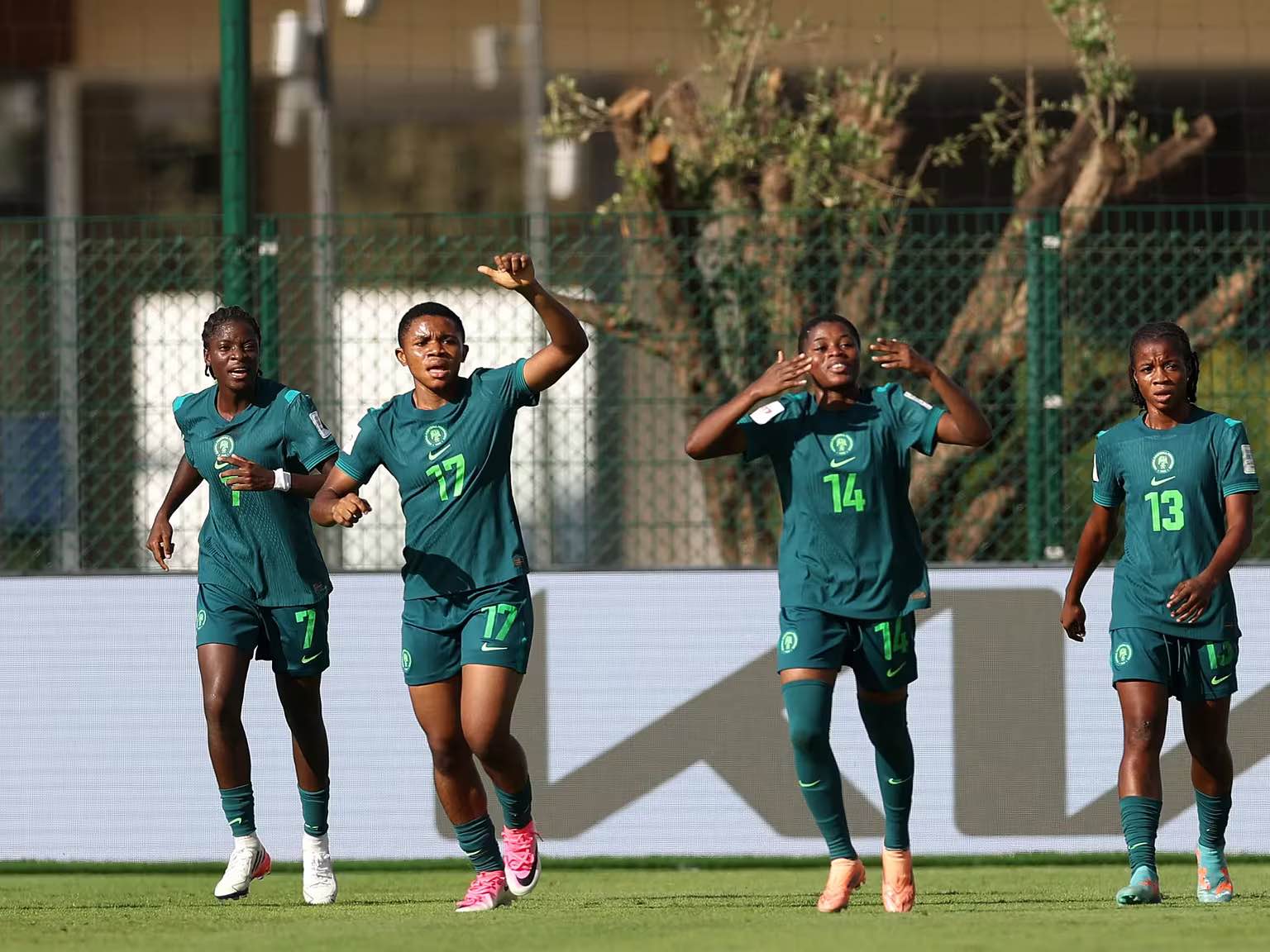
Flamingos Stun Defending Champions North Korea to Seal U-17 World Cup Knockout Spot
Nigeria’s Flamingos produced one of their finest performances of the tournament, defeating defending champions Korea DPR 3-1 to qualify for the Round of 16 at the FIFA U-17 Women’s World Cup in Morocco.
NewsVaultHQ5 min read
Read moreFIFA Names United States Host for Historic 2028 Women’s Club World Cup
FIFA has officially selected the United States to host the inaugural Women’s Club World Cup in January 2028, with 19 clubs from all six football confederations set to compete for the historic title.
NewsVaultHQ6 min read
Read more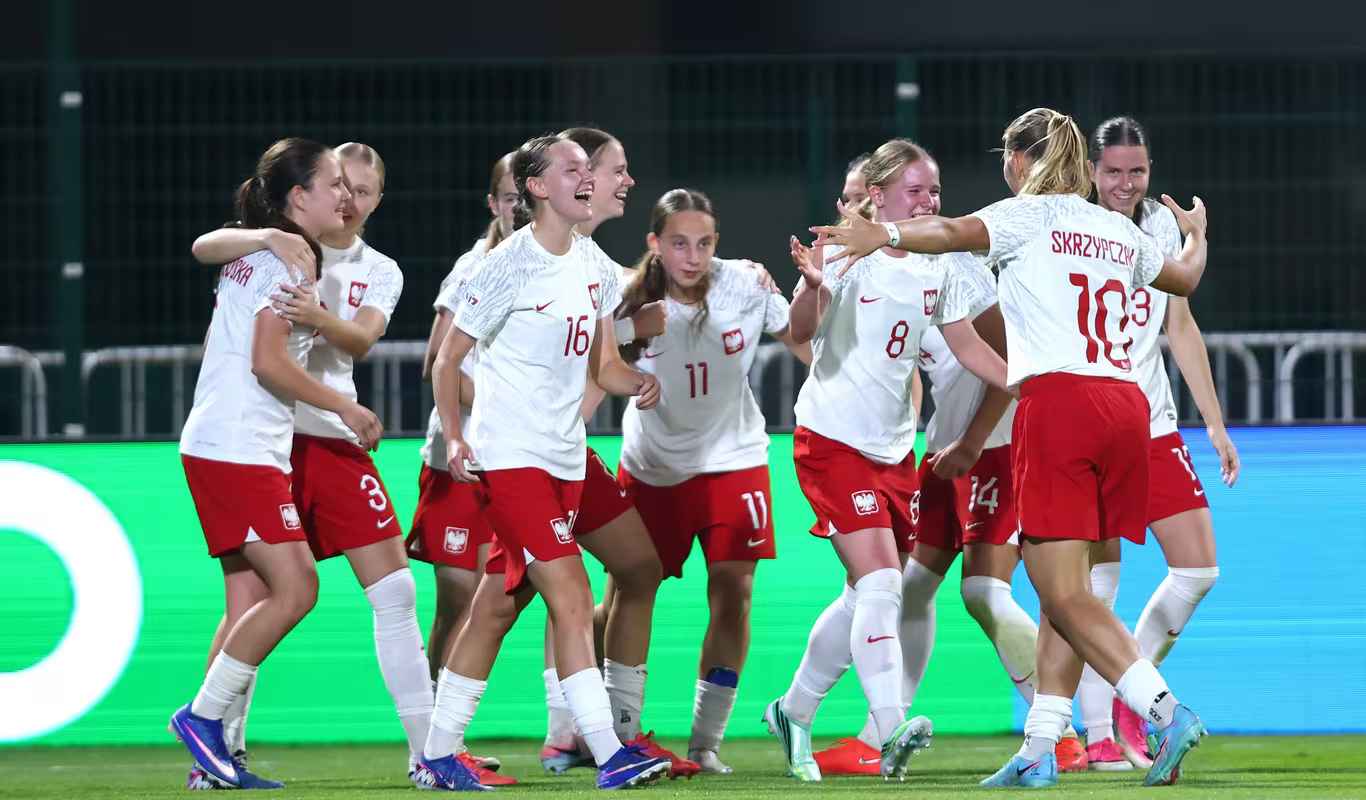
FIFA U-17 Women’s World Cup: Nigeria Flamingos Beaten by Poland.
Nigeria’s Flamingos suffered a 2-1 defeat to Poland in their opening Group B match at the FIFA U-17 Women’s World Cup in Rabat, despite a late fightback that gave them hope of rescuing a point.
NewsVaultHQ5 min read
Read more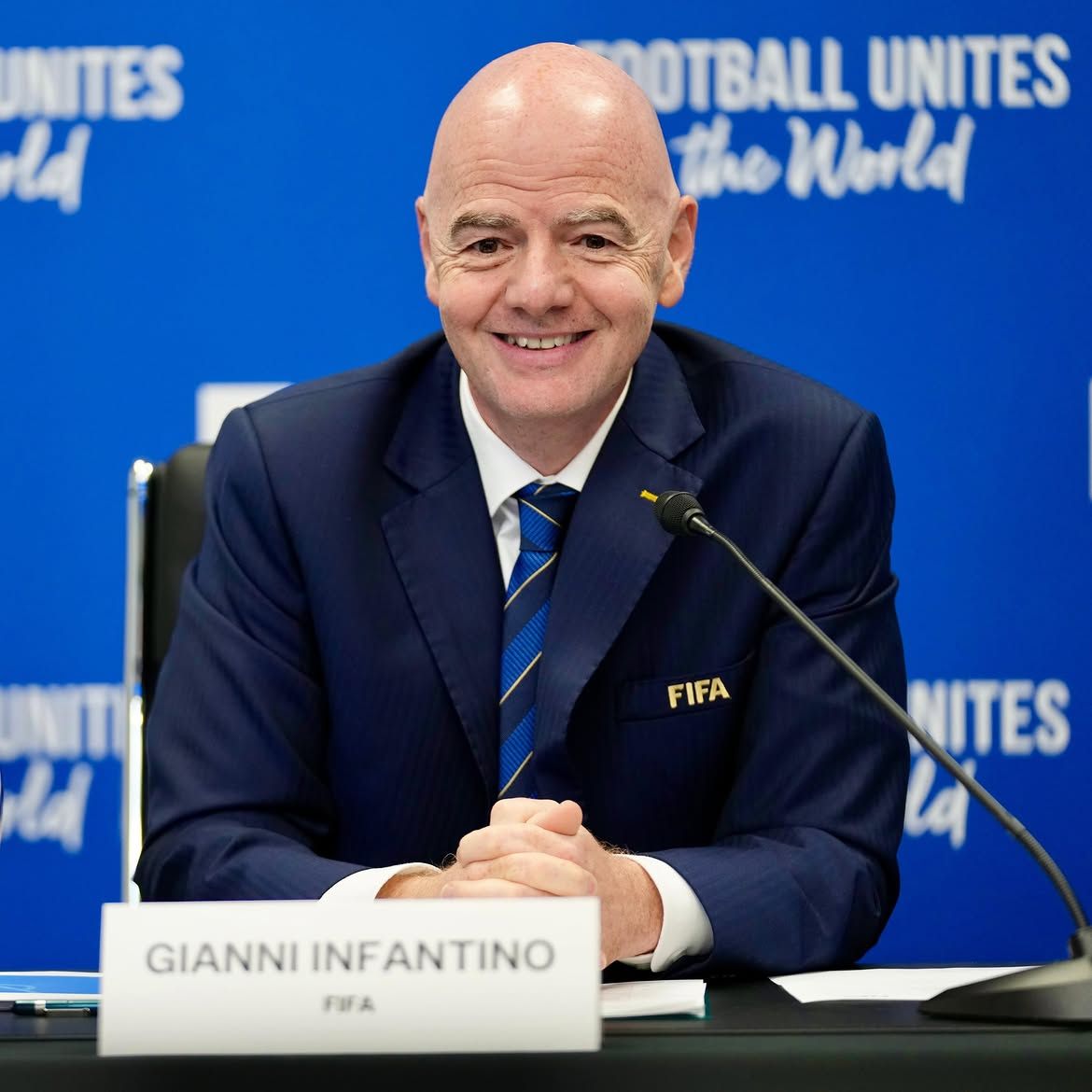
FIFA Set to Inject Extra £2.6bn Into Global Football Development
FIFA is preparing a major funding boost for the 2027–2030 cycle, with an additional £2.6bn expected to support football development, infrastructure, youth programmes and women’s football worldwide.
NewsVaultHQ5 min read
Read more