
FIFA World Cup
Nigeria Crowned 2026 U-17 Women’s World Cup Champions After Historic Victory Over Japan
Nigeria’s Flamingos have made history by defeating Japan 2-1 in the 2026 FIFA U-17 Women’s World Cup final in Morocco. Goals from Awawu Bashiru and Oluebube Umejiaku secured Nigeria’s first-ever title in the competition, while Umejiaku was named Player of the Match and also claimed the tournament’s Golden Ball.

Nigeria’s Flamingos have been crowned champions of the 2026 FIFA U-17 Women’s World Cup after defeating Japan 2-1 in a thrilling final in Rabat, Morocco, on Saturday, November 7. The victory marks a historic moment for Nigerian football, as the team claimed its first title in the competition and became the first African nation to lift the U-17 Women’s World Cup.
The final, played at the Mohammed VI Football Complex, delivered the kind of pressure and drama expected of a world championship decider. Nigeria showed attacking intent from the opening stages, created opportunities in the first half and produced a decisive spell immediately after the interval. Japan fought back late in the contest, but the Flamingos remained composed to protect their advantage and secure a landmark triumph.
The achievement is significant beyond the celebrations of the players and their supporters. No African country had previously won the FIFA U-17 Women’s World Cup, making Nigeria’s triumph a breakthrough for women’s football across the continent.
Bashiru breaks the deadlock
Nigeria began the final with confidence and looked determined to take the game to Japan rather than allow their opponents to settle into possession. The Flamingos pushed forward with purpose, with Awawu Bashiru and Oluebube Umejiaku among those testing the Japanese defence during the opening exchanges.
Japan, appearing in their fourth final in the competition, were aware of the challenge and tried to keep the Nigerian attack under control. Their goalkeeper Kou Kadowaki was called into action as the Flamingos searched for an opening, while Japan looked to use their organisation and technical quality to slow Nigeria’s momentum.
The breakthrough arrived in the 39th minute. Mary Dunstan supplied the ball for Bashiru, who found the net with an effort from distance to put Nigeria ahead. The strike gave the Flamingos a deserved lead after a positive first-half display and shifted the pressure onto the Japanese side.
Bashiru’s goal was particularly important because it allowed Nigeria to approach the interval with an advantage in a match where the margin for error was small. The forward had already made a major contribution in the semi-final against Brazil, scoring twice in the 3-1 victory that took the Flamingos into their first final. She delivered again on the biggest stage, giving her team a platform from which to chase the trophy.
Umejiaku delivers the decisive blow
Nigeria wasted little time extending their lead after the restart. Just two minutes into the second half, Esther Stephen played a forward pass that released Umejiaku. The striker controlled the ball before lifting a composed finish over Kadowaki to make it 2-0 in the 47th minute.
It was a crucial moment in the final. The goal gave Nigeria breathing space and left Japan with a difficult task against a side that had defended with discipline and looked dangerous whenever it moved forward.
Umejiaku’s finish also underlined her importance to the team throughout the tournament. She showed awareness in her movement, composure in front of goal and the confidence to make the right decision under pressure.
The Flamingos continued to threaten on the counter as Japan tried to find a route back into the match. Umejiaku had another opportunity to extend the advantage, but Kadowaki produced an important save to keep Japan in contention.
Japan did not surrender. They increased their pressure as the second half progressed and began to put Nigeria’s defensive structure under greater strain. The Asian side needed a goal to revive their hopes, and they eventually found one with ten minutes remaining.
Japan fight back, but Flamingos hold firm
Fuki Ito reduced the deficit in the 80th minute, finishing after Anri Ito helped create the opportunity. The goal changed the atmosphere of the closing stages and gave Japan renewed belief that they could force an equaliser.
The final minutes were tense, with every clearance and challenge carrying enormous importance. Nigeria showed maturity beyond their age, staying compact and working together to protect their penalty area. The defence stood firm through the closing period and stoppage time, refusing to let Japan complete the comeback.
When the final whistle sounded, the Nigerian players celebrated a 2-1 victory that confirmed them as world champions. It was a hard-earned success against a respected opponent, and one that reflected the team’s resilience as much as their attacking quality.
A remarkable journey to the trophy
The Flamingos’ title-winning campaign was not without difficulty. Nigeria began the tournament with a 2-1 defeat to Poland, a setback that could have affected the confidence of a less determined group. Instead, the players responded positively and turned their opening disappointment into the beginning of an impressive winning run.
They recovered with a victory over Puerto Rico before producing a major statement by defeating defending champions DPR Korea 3-1. That result demonstrated that Nigeria had the quality to compete with the strongest teams in the tournament. The Flamingos continued their progress with wins over Mexico and Venezuela, earning a place in the knockout rounds.
Their semi-final performance against Brazil was another defining moment. Nigeria recorded a 3-1 victory, with Bashiru scoring twice and Queen Joseph also contributing to the result. The win secured the country’s first appearance in the final and ensured the team would have an opportunity to compete for a historic world title.
After losing their first match, the Flamingos won six consecutive games to complete their journey as champions. That response speaks to the character within the squad and the work of head coach Hakeem Busari and his technical crew. The team improved as the competition progressed, combining attacking threat with the discipline needed to manage difficult moments.
Umejiaku named Player of the Match
Oluebube Umejiaku was named Player of the Match for her influential performance in the final. The forward scored Nigeria’s second goal, a finish that ultimately proved decisive, and remained a constant threat to Japan’s defence with her movement and ability to run into space.
Her contribution was not limited to the goal. Umejiaku gave the Japanese defenders problems whenever Nigeria moved quickly into attacking areas, and her presence helped the Flamingos maintain an outlet when they needed to relieve pressure. Her composure for the 47th-minute finish was especially valuable, as she recognised the goalkeeper’s position and executed a delicate finish to give Nigeria a two-goal cushion.
The award added another honour to an outstanding tournament for the young striker. Umejiaku finished the competition with four goals and two assists, numbers that reflected her influence across Nigeria’s campaign. She was also presented with the adidas Golden Ball as the tournament’s best player, recognising her performances throughout the competition.
Winning the Player of the Match award in a World Cup final and the Golden Ball in the same tournament is a remarkable achievement for the 16-year-old. Her display against Japan provided a fitting conclusion to a campaign in which she became one of the leading figures in the Flamingos’ historic success.
A title that changes the record books
Nigeria’s triumph is a major milestone for the country and for the wider African game. The Flamingos have become the first African team to win the FIFA U-17 Women’s World Cup, while also delivering Nigeria’s first championship in this age category. The success adds another memorable chapter to the country’s proud record in youth football.
For Japan, the defeat will be disappointing after reaching another final, but their response in the closing stages showed why they remain a strong force in youth football. Nigeria, however, were the better side on the night and made their chances count when it mattered most.
The Flamingos return from Morocco with the trophy, individual recognition and a place in history. Their 2-1 victory over Japan was built on Bashiru’s first-half strike, Umejiaku’s decisive finish and a determined defensive effort in the closing minutes.
Nigeria are now champions of the world, and the Flamingos’ historic achievement will be remembered as a defining moment for the nation and African women’s football.
- Tags
- Nigeria Flamingos
- FIFA U-17 Women’s World Cup 2026
- Nigeria Women’s Football
- Japan U-17 Women
- Oluebube Umejiaku
- Awawu Bashiru
Related stories
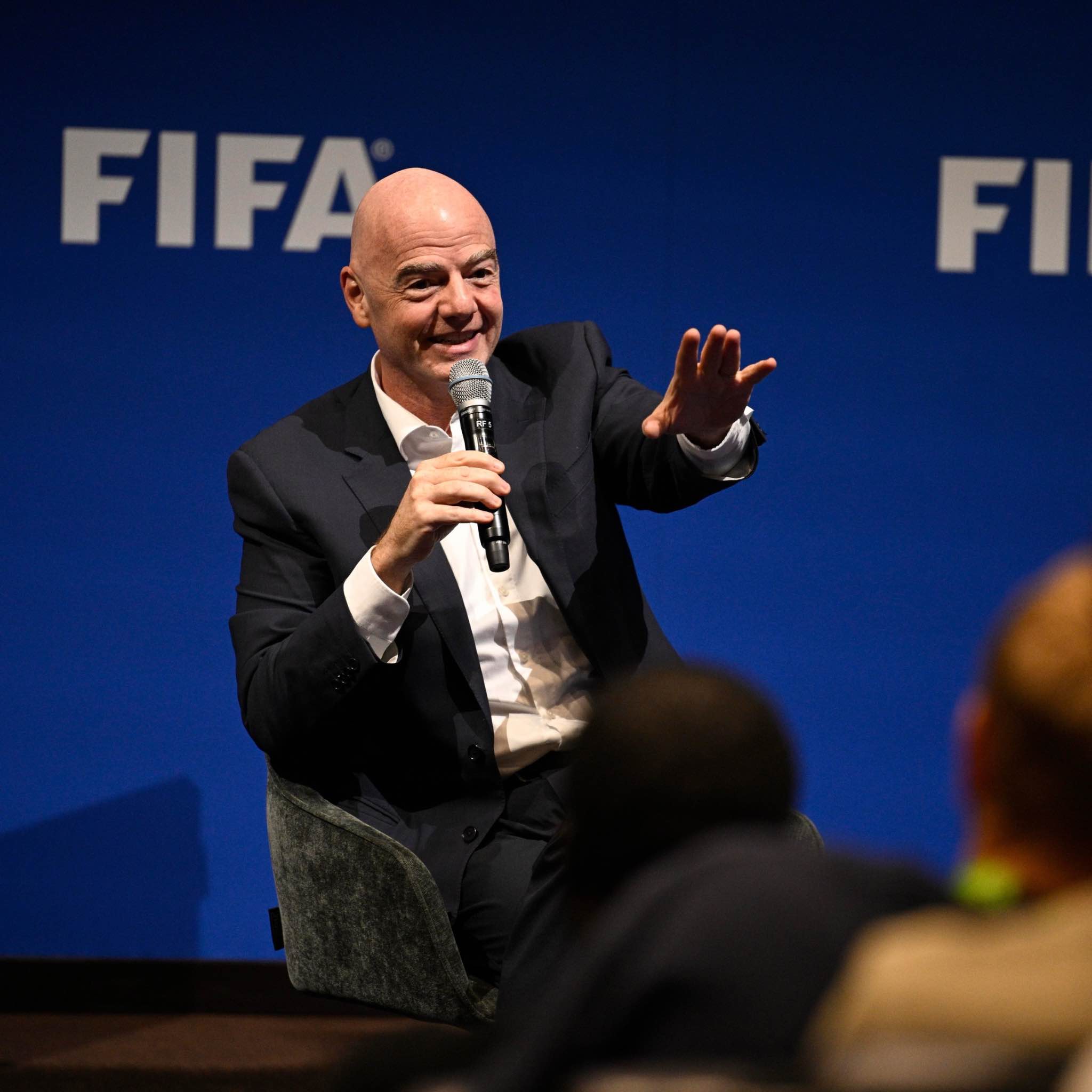
Infantino Claims ‘Vast Majority’ Back His Bid for Fourth FIFA Term
FIFA president Gianni Infantino says he remains confident of securing another term after claiming widespread support from member associations, despite the controversy surrounding his abandoned World Cup investment plan.
NewsVaultHQ5 min read
Read more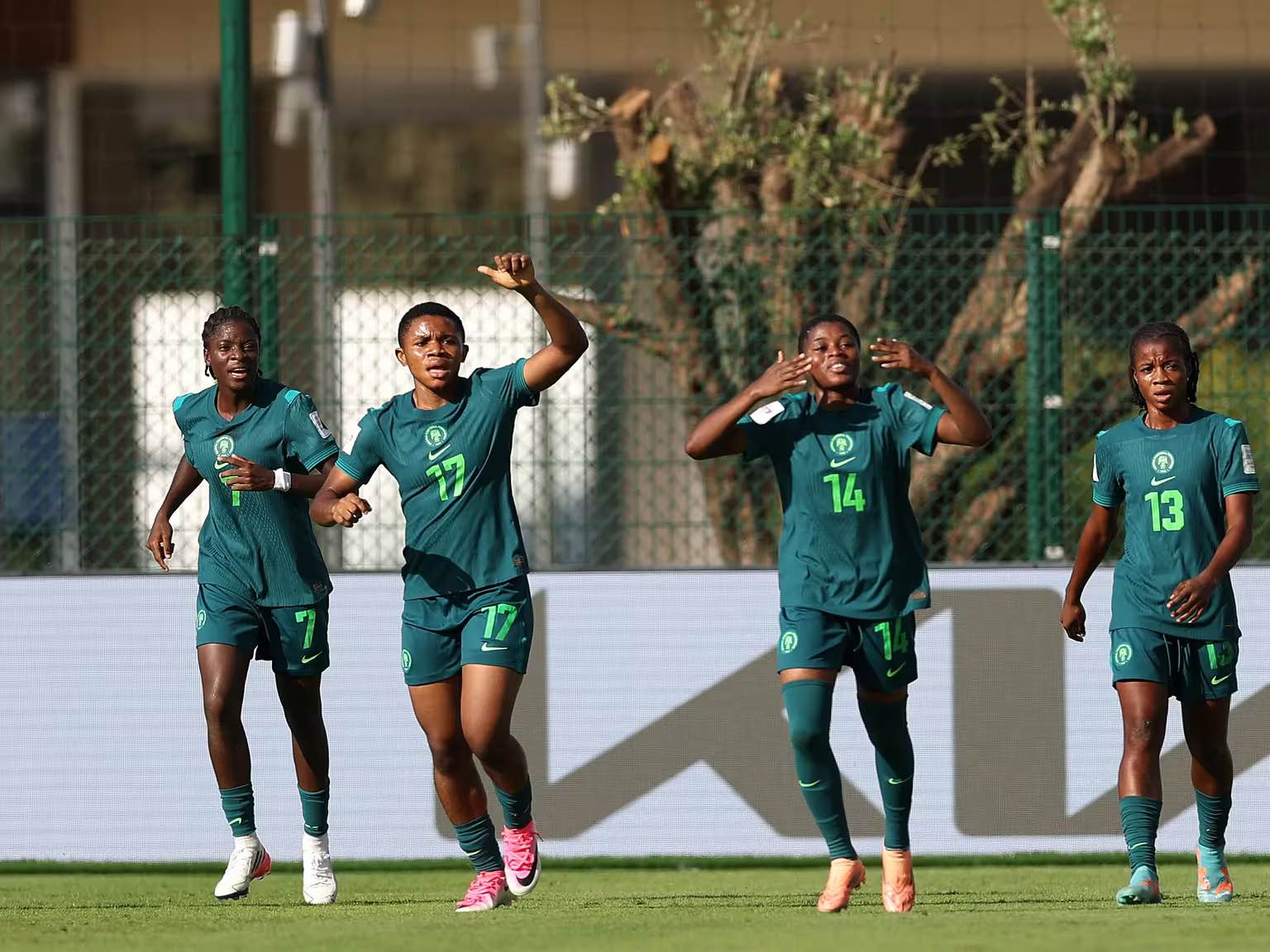
Flamingos Stun Defending Champions North Korea to Seal U-17 World Cup Knockout Spot
Nigeria’s Flamingos produced one of their finest performances of the tournament, defeating defending champions Korea DPR 3-1 to qualify for the Round of 16 at the FIFA U-17 Women’s World Cup in Morocco.
NewsVaultHQ5 min read
Read moreFIFA Names United States Host for Historic 2028 Women’s Club World Cup
FIFA has officially selected the United States to host the inaugural Women’s Club World Cup in January 2028, with 19 clubs from all six football confederations set to compete for the historic title.
NewsVaultHQ6 min read
Read more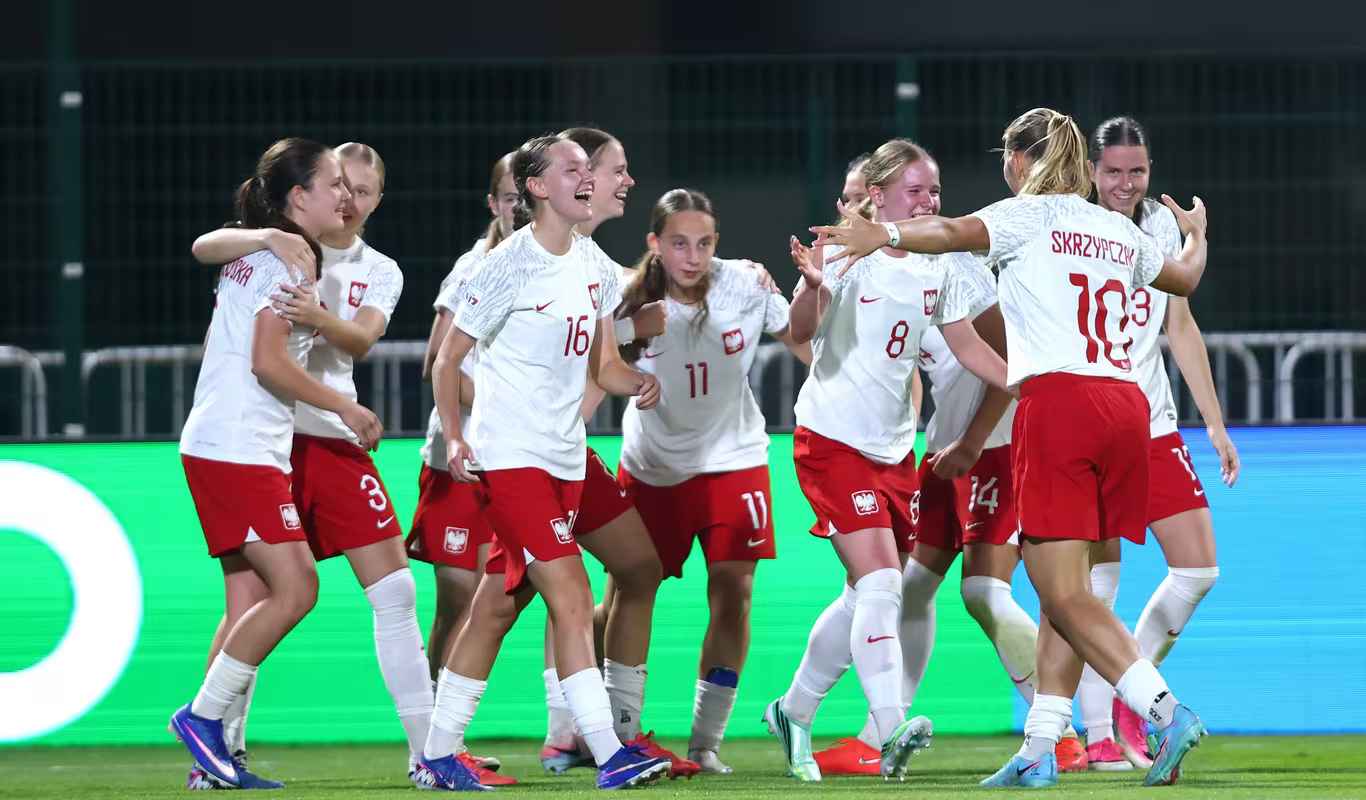
FIFA U-17 Women’s World Cup: Nigeria Flamingos Beaten by Poland.
Nigeria’s Flamingos suffered a 2-1 defeat to Poland in their opening Group B match at the FIFA U-17 Women’s World Cup in Rabat, despite a late fightback that gave them hope of rescuing a point.
NewsVaultHQ5 min read
Read more