
World
AI Won’t Decide Outcome of Nigeria’s 2027 General Election, INEC Chairman Says.
INEC Chairman Prof. Joash Amupitan says Nigerians, not artificial intelligence or algorithms, will determine the outcome of the 2027 general elections, while the commission prepares to use AI to improve logistics, detect anomalies and strengthen electoral security.

The Independent National Electoral Commission (INEC) has assured Nigerians that artificial intelligence will not determine the outcome of the country’s 2027 general elections, with Chairman Prof. Joash Amupitan insisting that the final decision must remain with voters.
Amupitan made the declaration on Wednesday, October 14, 2026, while speaking at the Artificial Intelligence and Democracy Forum 2026 in Abuja. The event, organised by Yiaga Africa in partnership with INEC and other stakeholders, focused on the challenges and opportunities presented by artificial intelligence ahead of the next general elections.
The forum was held under the theme, “Safeguarding the 2027 General Elections in the Age of Artificial Intelligence,” bringing together representatives of electoral bodies from several African countries, civil society organisations, security agencies, technology companies, journalists and other participants involved in the democratic process.
Addressing concerns about the growing influence of artificial intelligence, the INEC chairman drew a clear distinction between using technology to support elections and allowing automated systems to determine political outcomes.
Amupitan said algorithms could analyse information, identify patterns and assist institutions with different tasks, but they could not replace the people whose votes determine who occupies elected offices.
His position comes at a time when AI-generated content is becoming increasingly common across social media and digital platforms. Political campaigns, online commentators and ordinary users can now create realistic images, audio recordings and videos with relatively little technical knowledge.
The development has created concerns about how artificial intelligence could affect voters before and during the 2027 elections. False statements, manipulated videos and fabricated recordings could potentially be circulated to influence public opinion or damage the reputation of political candidates.
The INEC chairman acknowledged that AI would have an important role in the electoral environment, but said the technology should remain a tool that supports democracy rather than one that controls it.
According to Amupitan, artificial intelligence could influence the information citizens receive, improve the speed of electoral logistics and change the methods used by both democratic participants and groups attempting to disrupt the electoral process.
INEC is therefore preparing to use the technology in areas where it can improve the administration of the polls.
One of the major areas being considered is election logistics. Nigeria’s electoral process involves thousands of personnel, sensitive materials and equipment that must be moved across different parts of the country.
Some polling locations are located in difficult terrain, remote communities and areas affected by insecurity. These challenges can make the transportation of election materials complicated, particularly when road conditions, weather and security situations change.
Amupitan said AI-powered systems could assist the commission by analysing information such as traffic conditions, weather forecasts, road accessibility and security incidents. Such information could help officials identify more efficient routes for moving personnel and materials.
Technology could also assist with managing supplies by helping the commission forecast demand, monitor warehouse inventories and identify possible bottlenecks before they affect election preparations.
The commission has already begun incorporating artificial intelligence into aspects of its electoral operations. INEC previously announced the creation of a dedicated AI division within its Information and Communication Technology department as part of efforts to strengthen election administration.
Another important area is the verification of election results.
AI-powered auditing tools are being integrated into INEC’s results verification process to help identify unusual patterns, mathematical inconsistencies and other potential discrepancies in records submitted through the commission’s results management systems.
The technology is not intended to independently declare winners. Instead, it is designed to assist officials by drawing attention to records that may require additional examination.
This distinction is important because the authority to conduct elections and formally declare results remains within Nigeria’s established electoral framework.
AI is also being considered for improving the voters’ register. The technology can assist in identifying duplicate biometric records by comparing information such as fingerprints and facial images.
With more than 100 million registered voters expected to participate in the 2027 electoral process, the ability to process large quantities of information quickly could help officials identify irregularities more efficiently.
However, the increased use of artificial intelligence also creates new risks for election security.
Cyberattacks against digital platforms, coordinated disinformation campaigns and attempts to manipulate online conversations could become more sophisticated as AI tools become easier to access.
INEC has previously warned that AI-generated disinformation could threaten confidence in the electoral process. The commission has also been working on measures to strengthen its digital infrastructure against possible attacks.
Amupitan said INEC was developing an AI governance framework to establish rules for how the technology should be used during the electoral process.
The proposed framework is expected to emphasise principles including transparency, human oversight, integrity and the ability to audit systems used in election administration.
The chairman’s comments reflect a broader concern among election observers that technological innovation must be accompanied by accountability.
While artificial intelligence can process information faster than humans in many situations, an automated system can also produce inaccurate results if the information supplied to it is incomplete, manipulated or poorly designed.
For this reason, INEC has indicated that human officials will remain involved in important decisions rather than allowing algorithms to operate without supervision.
The discussion has also raised concerns about independent platforms that use technology to aggregate election results.
Yiaga Africa Executive Director Samson Itodo said technology could be useful for monitoring elections, but organisations using AI-powered systems must ensure that their methods are transparent and capable of being audited.
He stressed that only INEC has the legal authority to declare election results and announce winners, although other organisations may independently collect and analyse figures for monitoring purposes.
The issue of public trust is particularly significant following concerns surrounding the use of technology during previous elections.
For the 2027 polls, election observers believe citizens will need clear information about how digital systems work and how electoral authorities respond when irregularities are detected.
The INEC chairman’s assurance therefore places voters at the centre of the commission’s approach to artificial intelligence.
Rather than presenting AI as a replacement for democratic participation, the commission wants the technology to support officials in handling the enormous logistical and administrative demands associated with nationwide elections.
Nigeria’s 2027 presidential and National Assembly elections are scheduled for January 16, 2027, while governorship and State House of Assembly elections are scheduled for February 6, 2027.
The scale of the exercise will require the movement of electoral personnel and materials across 36 states and the Federal Capital Territory, making effective planning essential.
As political activity increases ahead of the polls, the influence of digital platforms is also expected to grow. Candidates and political parties will increasingly depend on social media to communicate with voters, while citizens will face a growing volume of political information online.
Against this background, INEC’s challenge will be to ensure that technological tools improve the electoral process without weakening confidence in its integrity.
For Amupitan, the central principle remains straightforward: technology can assist the democratic process, but it cannot replace the people who participate in it.
The final choice of Nigeria’s leaders, he maintained, must belong to the electorate.
As preparations for the 2027 elections continue, the commission’s use of artificial intelligence will therefore be closely watched by political parties, civil society organisations, technology experts and voters.
The success of the approach will ultimately depend not only on the sophistication of the systems being introduced, but also on transparency, human accountability and the confidence Nigerians have in the institutions responsible for conducting the election.
- Tags
- 2027 General Election
- INEC
- Nigeria Politics
- Artificial Intelligence
- Nigerian Election
- Joash Amupitan
- Election 2027
- Electoral Reform
- Democracy
- Politics
Related stories
FG Tightens Ebola Screening as Nigeria Moves to Seal Entry-Point Gaps
The Federal Government has ordered stricter enforcement of Ebola screening and health protocols at Nigeria’s designated points of entry following concerns over breaches of existing measures.
NewsVaultHQ5 min read
Read more
APC Fires Back at Atiku Over ₦10bn Ebola Fund, Says Money Remains Untouched
The APC Presidential Campaign Council has rejected Atiku Abubakar’s criticism of the Federal Government’s handling of Nigeria’s latest Ebola case, insisting that the ₦10 billion approved by President Bola Tinubu for emergency preparedness in June remains untouched.
NewsVaultHQ5 min read
Read more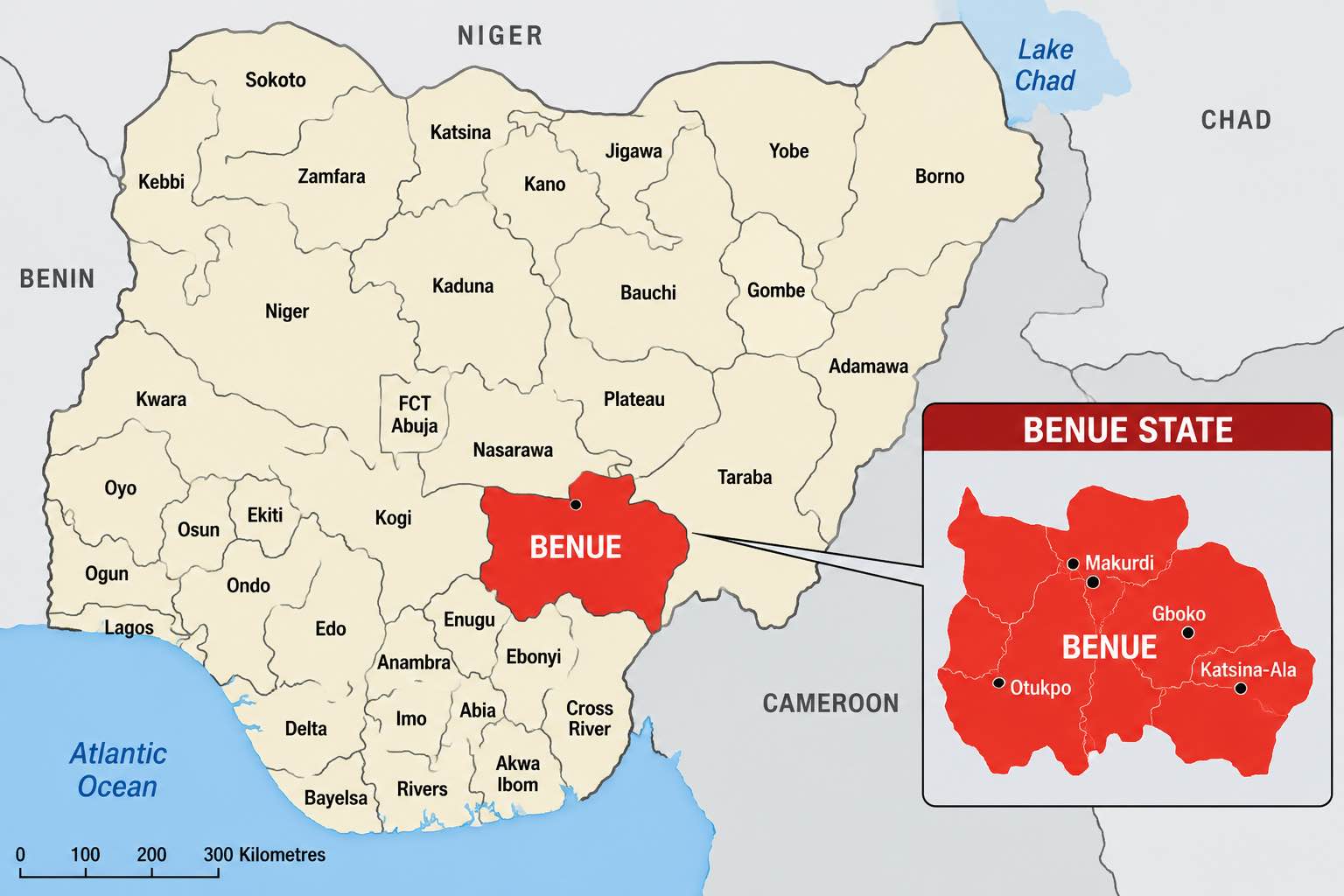
Senate Demands Probe Into Benue Killings As Death Toll Hits 113
The Nigerian Senate has directed the Inspector-General of Police, Tunji Disu, to investigate the reported killing of 113 people in four separate attacks across communities in Benue State and ensure those responsible are brought to justice.
NewsVaultHQ5 min read
Read more
France Reports First Human Shamonda Virus Case as Disease Spreads Across Western Europe
France has confirmed the world’s first documented human infection with Shamonda virus after a severely immunocompromised patient died in early October. The virus, which primarily affects livestock, has now been detected across 14 Western European countries and territories.
NewsVaultHQ7 min read
Read more