
World
‘Blaming Opposition For Hunger Is Delusional,’ Atiku Replies Tinubu
Former Vice President Atiku Abubakar has criticised President Bola Tinubu after the president blamed opposition parties for hunger and poverty in Nigeria, saying the government should take responsibility for the economic difficulties facing citizens.
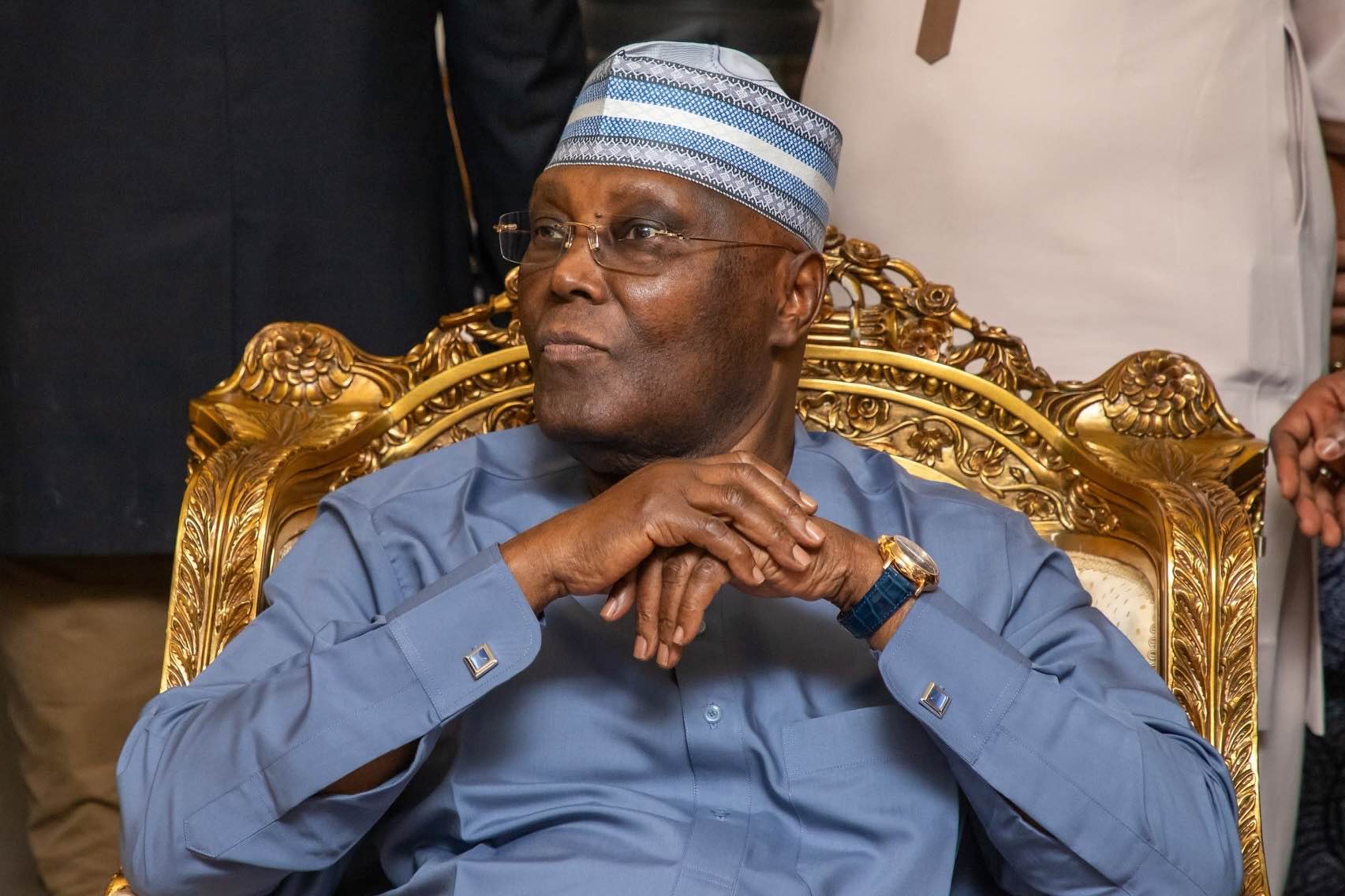
Former Vice President and African Democratic Congress (ADC) presidential candidate Atiku Abubakar has hit back at President Bola Tinubu after the president blamed the opposition for the hunger and poverty confronting Nigerians.
Atiku described Tinubu’s claim as “delusion” and “political amnesia,” arguing that the administration should take responsibility for its economic record rather than attribute the country’s hardship to political opponents.
The exchange came on Saturday, October 24, during the All Progressives Congress (APC) presidential campaign flag-off in Kaduna. Tinubu, who is seeking another term in office, told supporters that opposition politicians were responsible for the hunger and poverty they were criticising his government over.
“I hear my opponent talking about hunger, poverty. Who created it? They did! They created the hunger, they created the poverty. We are trying to eradicate it,” Tinubu told the crowd.
The president also defended his administration’s economic policies, particularly the removal of the petrol subsidy, which has remained one of the most controversial decisions of his tenure.
Tinubu maintained that the subsidy system was unsustainable and associated with corruption, insisting that his government would not return the country to what he described as the old system.
However, Atiku argued that Nigerians were experiencing the consequences of government policies and should not be told that their economic difficulties were the responsibility of the opposition.
In a statement issued by Phrank Shaibu, Director of Strategic Communication of the ADC Presidential Campaign Council, Atiku said the APC had already governed the country for years before Tinubu became president.
“Mr President, blaming the opposition for hunger is either delusion or a staggering case of political amnesia,” Atiku said, according to the statement.
He argued that the APC governed Nigeria for eight years before Tinubu assumed office and said the current administration had been in power for more than three years.
Atiku maintained that hardship did not begin when opposition politicians started criticising the government, insisting that Nigerians were capable of judging the situation based on what they experienced in their homes, businesses and communities.
The former vice president also challenged the government over the impact of the petrol subsidy removal and the subsequent changes in the foreign exchange market.
He questioned what he described as the sharp depreciation of the naira, arguing that the exchange rate and rising costs had placed additional pressure on households.
According to Atiku, the government must explain how its policies have affected ordinary Nigerians and demonstrate that the reforms are producing meaningful improvements in living standards.
The criticism comes as the cost of living remains one of the central issues expected to dominate Nigeria’s 2027 presidential election campaign. Reuters reported that Tinubu’s reforms have improved some government financial indicators and investor confidence, but the removal of the fuel subsidy and currency reforms have also contributed to severe cost-of-living pressures.
Atiku also questioned government spending, raising concerns over several figures he said required greater transparency.
Among the issues he highlighted were ₦7.13 trillion recorded under “energy security” in 2024 and ₦11.2 trillion in spending connected to NNPC pipeline-related activities.
He called on the government to explain where the money went, who benefited from the spending and what projects or services were delivered.
Atiku further demanded clarification over what he described as a $12.4 billion gap in Nigeria’s external accounts during the first half of 2026.
He also questioned the payment of $22.5 million in “other charges” linked to an Abu Dhabi financing facility.
The former vice president did not limit his criticism to economic matters. He also accused the Tinubu administration of failing to adequately address insecurity, pointing to continued killings, kidnappings and displacement in communities across the country.
For Atiku, the combination of economic pressure and insecurity represents a wider question about the performance of the government.
He argued that Nigerians should be asking what the administration has done to solve the problems confronting them rather than being drawn into arguments over which political party should receive the blame.
“You cannot govern for three years, make life harder, and then blame others for describing the hardship,” Atiku said. “You asked who created the hunger. Nigerians are asking what you have done to end it.”
The former vice president also criticised Tinubu over the planned inauguration of a section of the Abuja-Kaduna Expressway.
Atiku questioned the decision to commission the project from inside a stadium, arguing that such ceremonies should not be used to create the impression that infrastructure challenges have been fully resolved.
He said a road could not be completed through speeches or ceremonies and suggested that the government should instead focus on delivering tangible results.
The disagreement between the two politicians reflects the increasingly heated political atmosphere ahead of the 2027 presidential election.
Tinubu formally began his re-election campaign in Kaduna on Saturday, presenting his administration’s reforms as necessary steps toward economic recovery and greater prosperity. He urged supporters to remain committed to the APC and defended the direction of his government.
Atiku, meanwhile, has positioned himself as one of the leading challengers to Tinubu. His move to the ADC has placed economic hardship, government accountability and the performance of the ruling party at the centre of his political message.
He argued that the next presidential election would ultimately provide Nigerians with the opportunity to assess Tinubu’s record.
According to Atiku, voters would not judge the government solely on campaign speeches or promises but on what they have experienced during the administration’s time in office.
“The people will judge your government by the lives they are living, not by the excuses you offer at campaign rallies,” he said.
The statement also suggested that the economic situation would remain a major battlefield between the ruling party and opposition candidates as the 2027 election approaches.
Tinubu’s supporters are expected to continue defending the reforms as difficult but necessary measures, while opposition figures are likely to argue that Nigerians have paid too high a price for the government’s economic programme.
The president’s comments in Kaduna and Atiku’s response therefore represent more than a personal political exchange. They highlight the competing narratives that are likely to shape the next election: whether Nigerians should view the current hardship as the consequence of problems inherited from previous administrations or as evidence that Tinubu’s policies have failed to deliver sufficient relief.
For now, both sides are presenting sharply different explanations for the country’s economic situation.
Tinubu says his administration is working to eliminate the hunger and poverty he believes were created by previous political leaders, while Atiku insists that the government must accept responsibility for conditions Nigerians are currently experiencing.
With the 2027 election campaign already gathering momentum, the argument over who is responsible for Nigeria’s hardship is unlikely to disappear.
Instead, it is expected to become one of the defining political issues as voters prepare to decide whether Tinubu deserves another term or whether the opposition should be given the opportunity to lead the country.
- Tags
- Atiku Abubakar
- Bola Tinubu
- Nigeria Politics
- Nigerian Politics
- Nigeria Economy
- 2027 Election
- Cost of Living
Related stories
FG Tightens Ebola Screening as Nigeria Moves to Seal Entry-Point Gaps
The Federal Government has ordered stricter enforcement of Ebola screening and health protocols at Nigeria’s designated points of entry following concerns over breaches of existing measures.
NewsVaultHQ5 min read
Read more
APC Fires Back at Atiku Over ₦10bn Ebola Fund, Says Money Remains Untouched
The APC Presidential Campaign Council has rejected Atiku Abubakar’s criticism of the Federal Government’s handling of Nigeria’s latest Ebola case, insisting that the ₦10 billion approved by President Bola Tinubu for emergency preparedness in June remains untouched.
NewsVaultHQ5 min read
Read more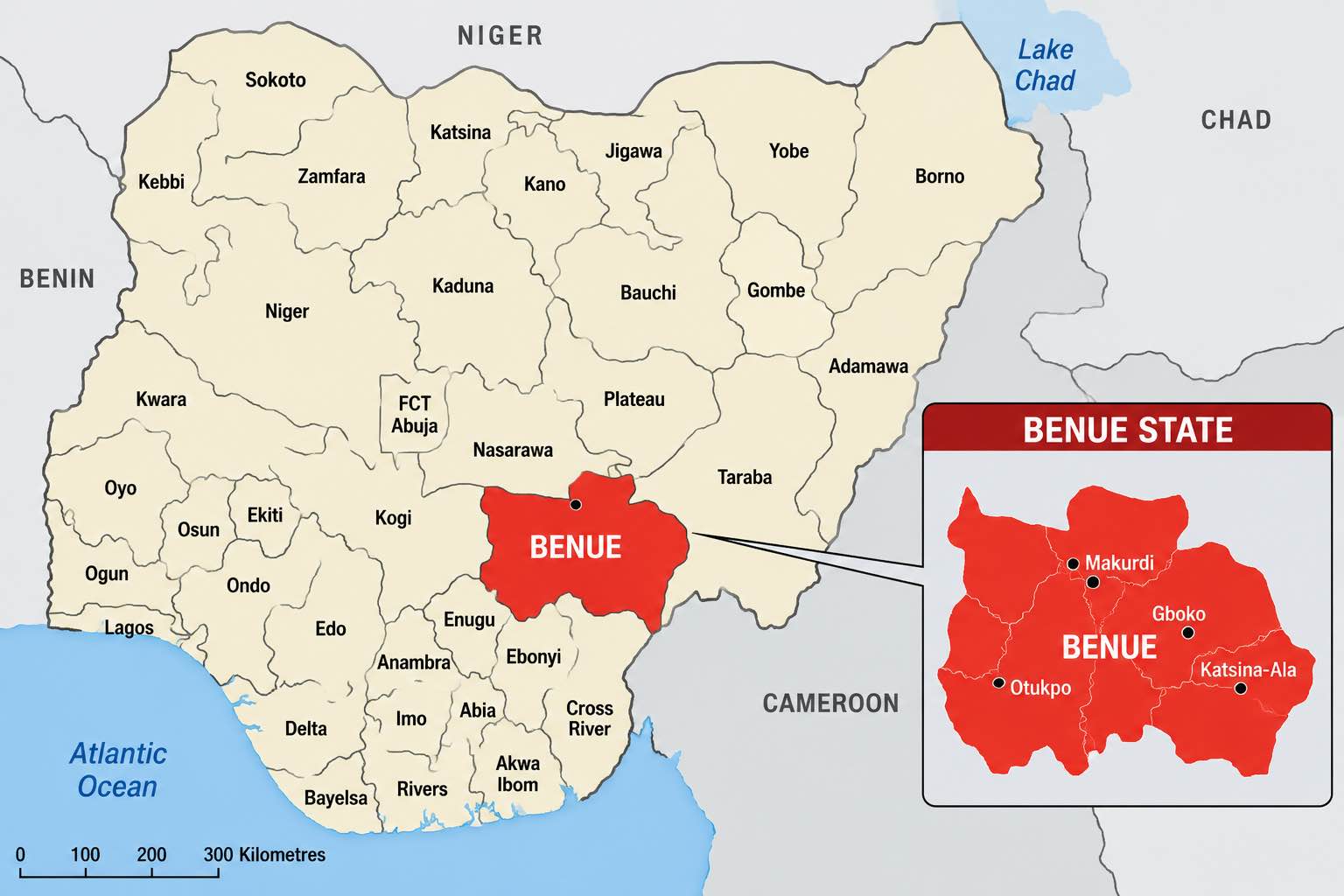
Senate Demands Probe Into Benue Killings As Death Toll Hits 113
The Nigerian Senate has directed the Inspector-General of Police, Tunji Disu, to investigate the reported killing of 113 people in four separate attacks across communities in Benue State and ensure those responsible are brought to justice.
NewsVaultHQ5 min read
Read more
France Reports First Human Shamonda Virus Case as Disease Spreads Across Western Europe
France has confirmed the world’s first documented human infection with Shamonda virus after a severely immunocompromised patient died in early October. The virus, which primarily affects livestock, has now been detected across 14 Western European countries and territories.
NewsVaultHQ7 min read
Read more