
World
Bomb Threats Disrupt Flights Across Europe as Multiple Airlines Face Security Alerts
Several European flights have been targeted by bomb threats, forcing aircraft diversions, emergency security inspections and temporary airport closures. Ryanair, Wizz Air, LOT Polish Airlines and Scandinavian Airlines were among the carriers affected, although authorities have so far found no explosives.
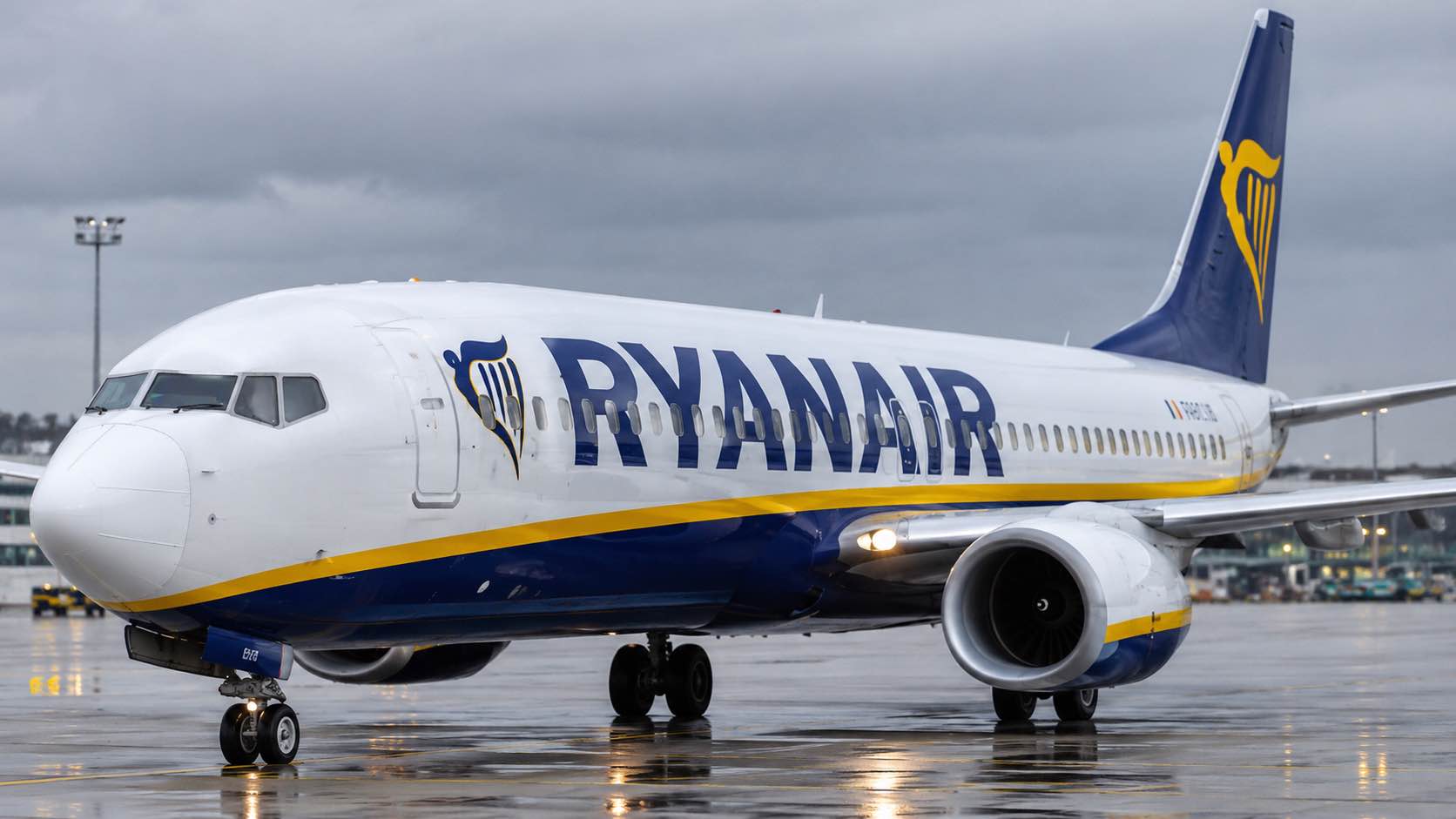
Bomb Threats Trigger Widespread Disruption Across European Airports
Air travel across several parts of Europe has experienced significant disruption following a series of bomb threats targeting passenger aircraft, prompting emergency security operations, flight diversions and temporary airport closures.
The incidents, reported on Tuesday, November 3, 2026, involved multiple airlines operating routes between major European cities. Authorities in Italy, Poland, Spain and Bulgaria were forced to respond to separate security alerts, with passengers and airline employees subjected to additional checks as security agencies worked to establish whether the warnings were credible.
Although the threats caused considerable concern among travellers and aviation authorities, all the affected aircraft involved in Tuesday’s incidents landed safely. Security teams also reported that searches had not uncovered any explosive devices.
Ryanair appeared to be among the most heavily affected airlines, with several of its flights receiving bomb warnings while operating across different European routes. Other carriers, including Wizz Air, LOT Polish Airlines and Scandinavian Airlines, also experienced security-related disruptions.
The incidents have raised fresh concerns about aviation security and the potential consequences of threats against commercial aircraft, particularly when several warnings emerge within a relatively short period.
Ryanair Flights Among the Main Targets
Irish low-cost airline Ryanair was one of the carriers most affected by Tuesday’s security alerts.
Two of its flights arriving at Rome’s Fiumicino Airport from Lisbon and Dublin were subjected to extensive security inspections after potential bomb threats were reported.
The aircraft arriving from Lisbon landed at approximately 9:40 a.m. local time, while the flight from Dublin arrived around 10:30 a.m. The second aircraft received an escort from the Italian Air Force as it approached its destination.
Following their arrival, security personnel examined the aircraft, passengers, crew members and luggage as part of established airport security procedures.
Rome’s airport operator, Aeroporti di Roma, confirmed that the inspections did not uncover any explosive devices. The alerts were subsequently cleared, and authorities indicated that the wider airport operation had not been affected by the warnings.
Another Ryanair flight travelling from Manchester in the United Kingdom to Murcia in southeastern Spain also became the subject of a bomb alert.
The aircraft arrived safely at Murcia International Airport, where an emergency security protocol was activated. All 121 people on board, including 114 passengers and seven crew members, were required to disembark while security personnel inspected the aircraft.
Spanish authorities also conducted checks involving passengers and their belongings before ruling out the presence of explosives.
A further warning involved a Ryanair service travelling from Dublin to Sofia, Bulgaria. The aircraft landed safely with 185 passengers on board, and subsequent inspections did not identify any explosive materials.
The repeated incidents placed additional pressure on the airline’s operations, although the available reports indicated that the affected aircraft were cleared following the necessary security procedures.
Poland Temporarily Closes Airport Following Threat
Poland also experienced disruption after a bomb warning targeted a LOT Polish Airlines flight travelling from London’s Heathrow Airport to Warsaw.
The Boeing 737 MAX aircraft had originally been scheduled to arrive at Warsaw Chopin Airport. However, following the security alert, it was diverted to Warsaw-Modlin Airport, another airport serving the Polish capital.
The warning prompted authorities to suspend operations at Modlin temporarily while the aircraft underwent security inspections.
Passengers were evacuated from the plane as emergency personnel carried out searches. Airport spokesman Adam Szablowski confirmed that nothing suspicious had been discovered during the examination.
The airport subsequently reopened and resumed normal operations after the security response was completed.
A separate incident involved Scandinavian Airlines flight SK751, travelling from Copenhagen to Warsaw.
Unlike the LOT aircraft, the SAS flight landed at its scheduled destination, Warsaw Chopin Airport. Nevertheless, authorities implemented security measures after receiving information about a possible threat involving the aircraft.
One runway was temporarily closed while the plane was inspected. Passengers were allowed to disembark, and security personnel carried out the necessary checks.
Scandinavian Airlines confirmed that a threat had been reported against the flight but maintained that the aircraft had landed normally.
Polish authorities later indicated that the reported threat had not been confirmed. No explosive device was discovered during the inspection.
The two incidents placed additional pressure on Warsaw’s aviation operations, particularly as security teams had to coordinate responses at both airports.
Wizz Air Flight Diverted Under Fighter Jet Escort
The latest wave of threats followed another incident involving Hungarian and Bulgarian aviation authorities on Monday, November 2.
A Wizz Air flight travelling from London’s Luton Airport to Sofia was diverted to Budapest after a bomb threat was reported.
The incident prompted an immediate response from Hungarian defence authorities, who deployed Gripen fighter jets to escort the passenger aircraft.
Hungary’s Defence Minister, Romulusz Ruszin-Szendi, confirmed that the country’s military aircraft were airborne within minutes of receiving the alert.
The fighter jets accompanied the passenger plane until it reached Budapest, where it completed a safe landing.
The aircraft was subsequently subjected to security checks as authorities investigated the warning.
Wizz Air also experienced another incident on Tuesday involving a flight from Milan/Bergamo to Sofia. The aircraft landed safely in Bulgaria, where security personnel carried out inspections following another bomb alert.
The Bulgarian Interior Ministry confirmed that the necessary checks were conducted, while officials reported that no explosive devices had been discovered.
These developments have increased attention on routes connecting the United Kingdom, Italy and Bulgaria, although authorities have not established that the individual warnings originated from the same source.
Earlier Incident Involved Austrian Airlines
The recent disruptions also follow a separate bomb threat involving an Austrian Airlines flight travelling from Tel Aviv to Vienna on October 18.
The aircraft was flying over Romania when a security warning was received, forcing the flight to change its planned route.
A Bulgarian Air Force MiG-29 fighter jet was deployed to escort the Airbus A320 towards Sofia, where it landed approximately 30 minutes after the alert was raised.
The aircraft was carrying 51 passengers and six crew members. Following its arrival, passengers were evacuated while security personnel examined the plane.
Austrian Airlines confirmed that a threat had been made against the aircraft. However, subsequent inspections did not identify any explosives.
The airline later confirmed that the flight continued to Vienna after the security procedures had been completed.
Although the October incident occurred several weeks before Tuesday’s alerts, its similarities have added to concerns about the increasing number of reported threats involving commercial passenger aircraft.
Aviation Authorities Face Fresh Security Concerns
The incidents highlight the serious operational challenges created by bomb threats against commercial aviation.
Even when a warning eventually proves unfounded, airlines and airport authorities cannot simply dismiss it. Every report must be treated seriously until trained security personnel complete the appropriate investigations.
A single warning can require an aircraft to change its destination, temporarily suspend airport operations, evacuate passengers and deploy specialised security teams.
Such procedures can also affect connecting flights, airport schedules, baggage handling and ground transportation.
For passengers, the consequences extend beyond the immediate uncertainty surrounding their safety. Delays, missed connections and unexpected changes to travel arrangements can create additional difficulties, particularly for those travelling internationally.
Airlines must also coordinate with national aviation authorities, airport operators, police departments and military personnel when a situation requires additional protection.
The deployment of fighter jets to escort passenger aircraft demonstrates the seriousness with which some of the warnings were handled.
However, officials must also determine whether the threats are isolated incidents, deliberate attempts to disrupt aviation operations or part of a wider pattern of coordinated activity.
At this stage, authorities have not publicly established a connection between all the reported incidents.
Investigations Continue as Passengers Return to Normal Operations
Despite the disruption, the immediate outcome of Tuesday’s incidents was reassuring, with no reported injuries and no explosives discovered on the affected aircraft.
Airports in Rome, Warsaw, Murcia and Sofia carried out security procedures before allowing normal operations to continue.
The temporary closure of Warsaw-Modlin was among the most visible disruptions, but the airport reopened after security teams completed their inspections.
Airlines involved in the incidents have had to address passenger concerns while cooperating with the relevant authorities.
The investigations will be important in determining where the warnings originated, whether they were deliberately fabricated and whether individuals responsible can be identified.
Bomb threats against aircraft are treated as serious security matters because of the potential danger they represent to passengers, crew members and aviation infrastructure. Even an unsubstantiated warning can trigger an expensive and extensive emergency response.
For now, European aviation authorities remain focused on maintaining passenger safety while ensuring that normal flight operations are not unnecessarily affected.
With several incidents reported across consecutive days, the situation has become a significant security concern for the European aviation industry.
The absence of explosives is welcome news, but the repeated threats demonstrate how quickly commercial air travel can be disrupted by security warnings. Authorities will continue investigating the incidents as airlines and airports work to restore confidence among travellers.
Related stories

US Strikes Iran Ahead of Midterm Elections as Tensions Rise Over Strait of Hormuz
The United States has carried out fresh military strikes against Iranian targets near the strategically important Strait of Hormuz, just hours before Americans head to the polls for the 2026 midterm elections. The operation has raised fresh concerns about a possible escalation of the conflict, despite President Donald Trump’s claims that diplomatic negotiations with Tehran could still produce an agreement.
NewsVaultHQ8 min read
Read more
Binance Users Withdraw $3.6 Billion After Largest-Ever Crypto Hack
Binance customers pulled approximately $3.64 billion from the exchange after withdrawals resumed following a record $6.3 billion cryptocurrency theft, putting customer confidence and the platform’s security measures under intense scrutiny.
NewsVaultHQ7 min read
Read moreDebt Worse Than Leprosy, Destroys Generations, Says Obasanjo
Former President Olusegun Obasanjo has strongly criticised President Bola Tinubu’s position on government borrowing, warning that excessive debt could place a burden on generations yet unborn.
NewsVaultHQ5 min read
Read more
Obi questions Tinubu’s competence as reports outline his plans for Nigeria
Peter Obi has launched a fresh attack on President Bola Tinubu’s leadership, questioning his capacity to continue governing Nigeria and urging voters to choose their next president based on competence, capacity and performance rather than ethnic identity.
NewsVaultHQ6 min read
Read more