
World
Ebola: Reps Demand Immediate Release of Health Emergency Funds
Nigeria’s House of Representatives has called for emergency funds after a reported Ebola case in Abuja, according to Punch. The Senate has also sought funding and border screening.
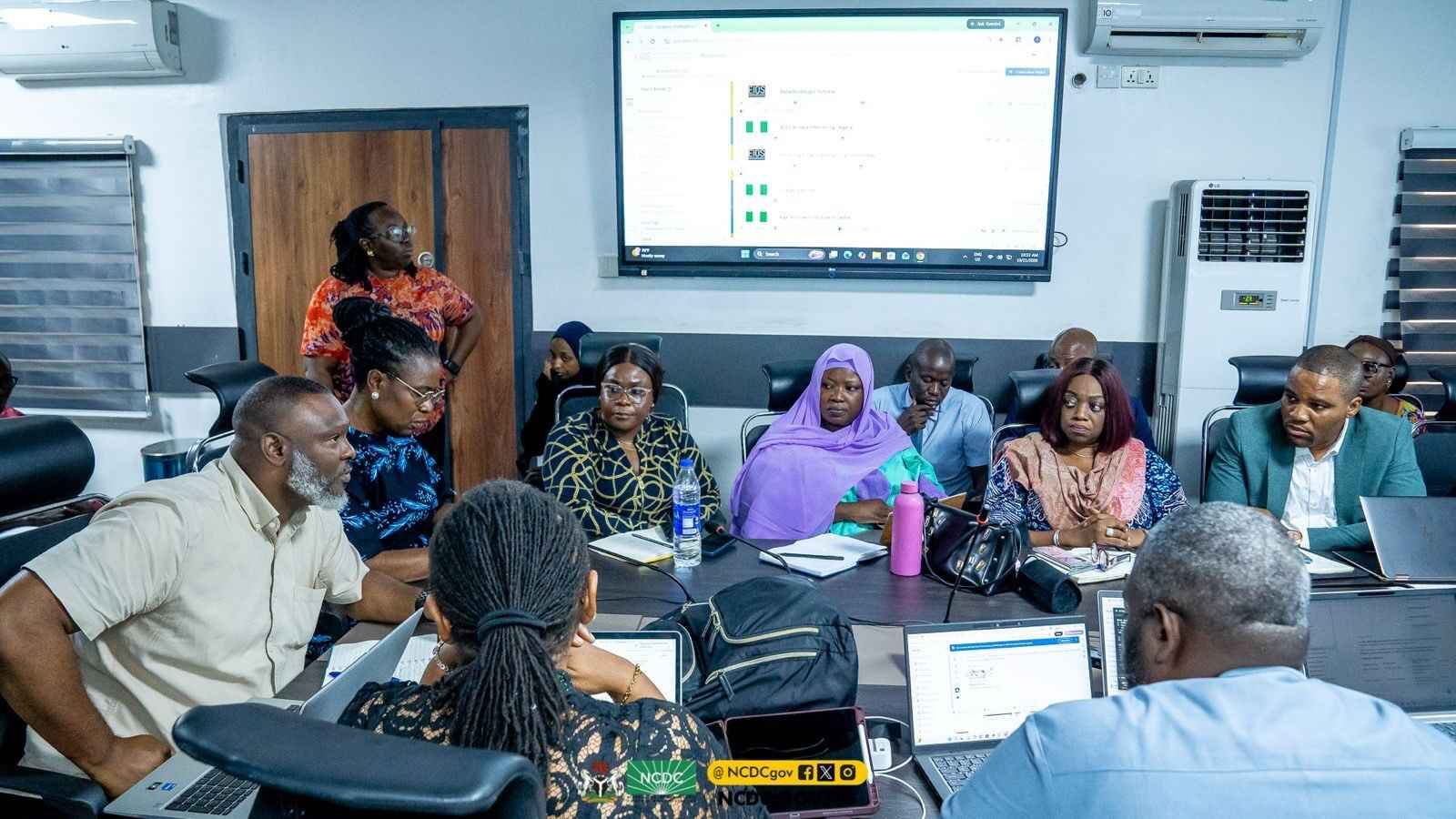

The House of Representatives has urged the Federal Government to immediately strengthen Nigeria’s preventive and emergency medical measures following the confirmation of an Ebola Virus Disease case in Abuja.
The lawmakers also demanded the prompt release of outstanding appropriated funds to relevant health agencies, warning that adequate financing is essential for effective surveillance, laboratory testing, contact tracing and other emergency measures required to prevent further transmission.
The resolution was reached on Wednesday, October 21, following the adoption of a motion of urgent public importance sponsored by Amobi Ogah, the member representing Isuikwuato/Umunneochi Federal Constituency of Abia State.
The development comes a day after health authorities confirmed that a woman who arrived in Abuja from Uganda had tested positive for Ebola. According to Ogah, authorities had already identified and traced 44 contacts for isolation and further testing.
The confirmation has renewed concerns about Nigeria’s ability to respond quickly to a potentially serious infectious disease threat, particularly as the country continues to strengthen its surveillance systems at airports and other points of entry.
Reps Raise Concern Over Ebola Response
While presenting the motion, Ogah described Ebola as a severe and potentially fatal infectious disease that requires rapid identification, strict infection prevention and control measures, isolation of suspected cases and coordinated intervention by health authorities.
He warned that delays at any stage of the response could increase the possibility of transmission and place additional pressure on Nigeria’s healthcare system.
The lawmaker also drew attention to challenges that could affect the country’s preparedness, including inadequate public awareness, shortages of infection prevention and control materials, gaps in healthcare workers’ preparedness and limited emergency response capacity.
The House therefore called for the immediate mobilisation of federal, state and private health agencies so they can remain on high alert and respond effectively to suspected cases.
Lawmakers said the response must not be limited to treating confirmed infections. They stressed the importance of strengthening surveillance and identifying potential cases early, particularly among travellers arriving from countries where Ebola transmission has been reported.
House Demands Release of Appropriated Funds
A major part of the lawmakers’ resolution was the demand for the release of outstanding funds already appropriated for relevant health agencies.
The House specifically called on the Federal Government, through the Ministry of Finance, to make the funds available without delay.
The lawmakers argued that agencies responsible for disease surveillance and outbreak response cannot be expected to perform effectively if financial resources are unavailable when an emergency occurs.
The funds are expected to support activities such as contact tracing, laboratory investigations, disease surveillance, emergency coordination, infection prevention and control, public education and the provision of essential medical supplies.
The demand is particularly significant because Nigeria had already faced concerns about funding for the Nigeria Centre for Disease Control and Prevention (NCDC) earlier in the year.
In June, the House had raised concerns about funding shortages at the agency and called for adequate financial support to improve Nigeria’s preparedness for Ebola and other epidemic-prone diseases.
The earlier concerns included claims that the NCDC had not received operational funding in 2025 and that capital releases against its 2026 allocation had not been made at the time the issue was raised.
The renewed call from lawmakers now comes as Nigeria deals with an actual confirmed Ebola infection rather than simply preparing for the possibility of an imported case.
Surveillance and Contact Tracing Remain Critical
Contact tracing has become one of the most important elements of the immediate response.
Following confirmation of the Abuja case, health authorities traced 44 people who may have had contact with the infected traveller. Those individuals are being followed up for isolation and further testing as health officials work to determine whether additional infections have occurred.
The process is designed to identify people who may have been exposed before they unknowingly transmit the virus to others.
Ebola can spread through direct contact with the blood or bodily fluids of an infected person, particularly once the person develops symptoms. Contaminated materials can also contribute to transmission.
This makes early detection and strict infection prevention procedures especially important for healthcare workers and people who may have had close contact with an infected individual.
Hospitals and health facilities must also be prepared to identify suspected cases and follow appropriate infection prevention protocols to reduce the risk of healthcare-associated transmission.
Health Agencies Expected to Step Up Preparedness
The House highlighted the responsibilities of several institutions involved in Nigeria’s epidemic response.
These include the Federal Ministry of Health and Social Welfare, the NCDC, the Federal Ministry of Agriculture and Food Security, state ministries of health, port health authorities and other relevant agencies.
The lawmakers also emphasised the importance of cooperation with the World Health Organisation and other international and regional public health institutions.
Such coordination is expected to ensure that Nigeria’s response is based on current scientific evidence and international public health standards.
The House further urged the Federal Ministry of Health and the NCDC to assess the funding required to improve Nigeria’s preparedness and response capacity based on the current epidemiological situation.
This assessment could help determine whether additional resources are needed for surveillance, testing, treatment facilities, protective equipment and emergency operations.
Committee to Monitor Ebola Situation
The House also mandated its Committee on Infectious Diseases to engage relevant ministries, departments, agencies and public health institutions.
The committee is expected to obtain regular updates on the Ebola situation and assess the measures being implemented to prevent further transmission.
It will subsequently report back to the House, allowing lawmakers to determine whether additional legislative action is necessary.
The move gives the National Assembly a monitoring role as Nigeria attempts to contain the situation and prevent a confirmed case from developing into wider community transmission.
Nigeria Faces Need for Rapid Response
The latest development has placed renewed attention on Nigeria’s health emergency infrastructure.
The country has previous experience dealing with Ebola, most notably during the 2014 outbreak in West Africa, when Nigeria successfully contained imported cases after the disease entered the country.
That experience demonstrated the importance of rapid identification, contact tracing, isolation and coordination between different levels of government.
However, lawmakers are now warning that preparedness cannot depend solely on past experience.
The availability of funding, trained personnel, laboratory capacity, protective equipment and effective surveillance systems remains crucial whenever an infectious disease threat emerges.
For the public, health authorities have continued to stress the importance of obtaining information from official sources and following public health guidance rather than spreading unverified claims.
The Federal Government and relevant agencies will now face pressure to demonstrate that the necessary resources are available to track the 44 identified contacts, investigate suspected cases and respond quickly if additional infections are detected.
The House’s demand for the immediate release of emergency health funds therefore reflects a broader concern: that Nigeria must have the financial and operational capacity to act quickly before a potentially containable health threat becomes a wider crisis.
For now, the focus remains on surveillance, contact tracing, testing and preventing further transmission following the confirmation of the Abuja case.
The effectiveness of those measures, together with the timely availability of emergency funding, will be critical to Nigeria’s ability to contain the situation.
Related stories
FG Tightens Ebola Screening as Nigeria Moves to Seal Entry-Point Gaps
The Federal Government has ordered stricter enforcement of Ebola screening and health protocols at Nigeria’s designated points of entry following concerns over breaches of existing measures.
NewsVaultHQ5 min read
Read more
APC Fires Back at Atiku Over ₦10bn Ebola Fund, Says Money Remains Untouched
The APC Presidential Campaign Council has rejected Atiku Abubakar’s criticism of the Federal Government’s handling of Nigeria’s latest Ebola case, insisting that the ₦10 billion approved by President Bola Tinubu for emergency preparedness in June remains untouched.
NewsVaultHQ5 min read
Read more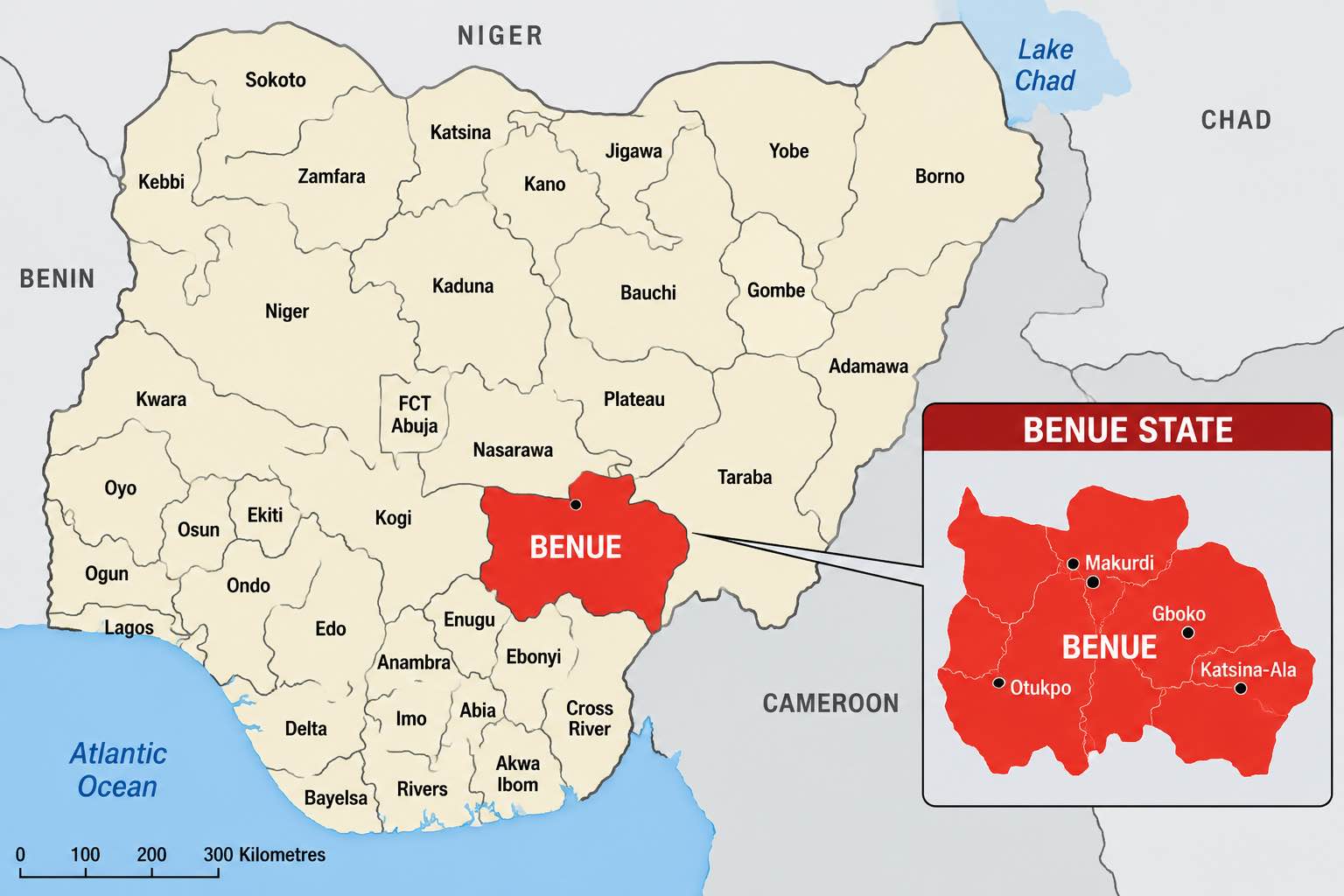
Senate Demands Probe Into Benue Killings As Death Toll Hits 113
The Nigerian Senate has directed the Inspector-General of Police, Tunji Disu, to investigate the reported killing of 113 people in four separate attacks across communities in Benue State and ensure those responsible are brought to justice.
NewsVaultHQ5 min read
Read more
France Reports First Human Shamonda Virus Case as Disease Spreads Across Western Europe
France has confirmed the world’s first documented human infection with Shamonda virus after a severely immunocompromised patient died in early October. The virus, which primarily affects livestock, has now been detected across 14 Western European countries and territories.
NewsVaultHQ7 min read
Read more