
World
Police use tear gas at #EndSARS memorial at Lekki Toll Gate
Police fired tear gas at activists, journalists and political figures gathered at the Lekki Toll Gate on Tuesday to commemorate the sixth anniversary of the #EndSARS protests, forcing participants to flee before a planned wreath-laying ceremony could take place.

Six years after the #EndSARS protests shook Nigeria and made the Lekki Toll Gate a symbol of the country's fight against police brutality, the location once again became the centre of tension on Tuesday.
Police officers fired tear gas to disperse Nigerians who had gathered at the Lekki Toll Gate in Lagos to mark the sixth anniversary of the 2020 protests.
The gathering was organised by the Enough is Enough (EiE) movement as a memorial for victims of the #EndSARS demonstrations. Participants had planned to hold a wreath-laying ceremony to remember those who died or went missing during the protests and to renew calls for justice and police reform.
However, the planned ceremony never took place.
According to reports from the scene, police officers had already arrived at the toll gate before the gathering began. As participants assembled, officers moved to prevent the memorial from proceeding. Tear gas canisters were fired into the area, sending people scrambling for safety as the gas spread through the gathering.
Among those caught up in the disruption were Lagos governorship candidates Gbadebo Rhodes-Vivour of the African Democratic Congress (ADC) and Funso Doherty of the Nigeria Democratic Congress (NDC). Residents, activists and journalists were also affected as the gathering was broken up.
Videos and reports from the scene showed participants fleeing from the area after the tear gas was deployed. Some struggled to escape the fumes while others moved away from the toll gate to avoid further confrontation.
The disruption happened just as organisers were preparing to honour victims of the 2020 protests.
The group had reportedly brought 15 wreaths for the ceremony. Nine were intended for people listed as dead in connection with the Lekki incident, four for people listed as missing and presumed dead, while another was for journalist Pelumi Onifade. A final wreath was intended for other unidentified victims.
The ceremony was therefore stopped before the wreaths could be laid.
The incident has since reignited debate over the right of Nigerians to peacefully gather and commemorate victims of the #EndSARS protests.
Why Did People Gather At Lekki Toll Gate?
The gathering was not a new protest in the traditional sense but a memorial event organised to mark six years since the #EndSARS demonstrations.
The Lekki Toll Gate remains one of the most important locations associated with the movement because of what happened there on October 20, 2020.
For many participants, returning to the location every year is a way of remembering the victims and keeping the demands that drove the movement alive.
Activists at Tuesday's gathering continued to call for accountability, justice for victims and meaningful police reforms despite the disruption.
Channels Television reported that the tension eventually subsided and the area was cleared, while activists said they would continue pushing for the causes that inspired the movement.
How Did #EndSARS Start?
The #EndSARS movement began from long-standing complaints about police brutality in Nigeria, particularly allegations involving the Special Anti-Robbery Squad, widely known as SARS.
SARS was originally created to tackle serious crimes such as armed robbery and kidnapping. However, the unit became increasingly controversial as Nigerians accused some of its officers of unlawful arrests, extortion, torture, harassment and extrajudicial killings.
Young Nigerians began using social media to share alleged experiences of police abuse, and anger over the conduct of security operatives continued to grow.
In October 2020, that anger turned into nationwide demonstrations.
Thousands of young Nigerians took to the streets demanding an end to SARS and broader changes to policing in the country. Demonstrations were organised in Lagos and several other cities, with protesters carrying placards and Nigerian flags while demanding justice and police accountability.
The movement quickly grew beyond its original demand to dissolve SARS. Protesters also demanded the release of people arrested during demonstrations, justice for victims of police brutality, prosecution of officers accused of misconduct and improvements in the way police officers were trained and treated.
What Caused The Protests To Grow?
The demonstrations gained enormous momentum because many protesters believed that police abuses had continued despite previous promises of reform.
Social media played a major role in bringing individual allegations of brutality to national attention. Videos, photographs and personal accounts spread rapidly, allowing young Nigerians across different cities to organise around the same demands.
The Federal Government eventually announced the dissolution of SARS on October 11, 2020.
However, the announcement did not immediately end the protests.
Many protesters said they wanted more than the dissolution of the unit. They demanded concrete action, accountability and reforms that would prevent another police unit from repeating the same abuses.
As the demonstrations continued, the Lekki Toll Gate became one of the movement's biggest gathering points.
What Happened At Lekki Toll Gate In 2020?
The events of October 20, 2020, transformed the toll gate into a powerful symbol of the #EndSARS movement.
Protesters had gathered at the location as demonstrations continued across Lagos. The situation changed dramatically that evening when security forces arrived at the toll gate.
Shots were fired at protesters, leading to deaths and injuries and triggering widespread outrage.
The exact circumstances surrounding the shooting, the number of people killed and the actions of security forces became the subject of intense debate.
The Lagos State Judicial Panel of Inquiry established to investigate the incident later found that protesters were shot at, injured and killed. Its findings became a major reference point in subsequent demands for justice and accountability.
The government, however, rejected key aspects of the panel's conclusions, including parts relating to the casualty figures.
The controversy surrounding the incident has never completely disappeared, which is one reason the Lekki Toll Gate continues to attract Nigerians on every #EndSARS anniversary.
How Did The #EndSARS Protests End?
The protests continued after the October 20 incident but gradually lost momentum as the country entered a period of increased tension and violence.
While many demonstrations had initially been peaceful, violence, attacks on property and clashes were reported in several parts of Nigeria. Businesses and public facilities were attacked in some areas, while security forces attempted to regain control.
Several state governments introduced curfews as the situation deteriorated.
The nationwide street demonstrations eventually subsided towards the end of October 2020.
Although the physical protests ended, the issues that brought Nigerians onto the streets did not disappear. Calls for police accountability, compensation for victims and wider security reforms continued.
Judicial panels were subsequently established in several states to investigate allegations of police brutality and abuses connected to the protests.
Six Years Later, The Fight Continues
Tuesday's events at the Lekki Toll Gate demonstrate how strongly the events of 2020 remain embedded in Nigeria's national memory.
Instead of proceeding with the planned memorial, participants were forced to flee after police deployed tear gas.
The incident also follows previous confrontations between police and people attempting to mark the anniversary at the same location. Police used tear gas during a 2021 memorial, while another anniversary gathering was disrupted in 2024.
The latest confrontation has therefore added another chapter to the complicated history between security authorities and Nigerians seeking to commemorate the #EndSARS movement.
For the people who gathered at the toll gate on Tuesday, the purpose was to remember those who died and demand that their sacrifices not be forgotten.
But before the wreaths could be laid, the gathering was broken up.
The tear gas once again sent people running from a location that has remained a powerful symbol of police brutality, resistance and the demand for accountability in Nigeria.
Six years after #EndSARS brought millions of Nigerians together, the movement may no longer dominate the streets as it did in 2020, but its central questions remain part of the country's public conversation: how should police officers be held accountable, how can citizens be protected from abuse, and what should be done to ensure that the events of October 2020 are never repeated?
- Tags
- #EndSARS
- Lekki Toll Gate
- Police Brutality
- Nigeria
- Lagos
- EndSARS Anniversary
- Police Tear Gas
- Nigerian Protests
Related stories
FG Tightens Ebola Screening as Nigeria Moves to Seal Entry-Point Gaps
The Federal Government has ordered stricter enforcement of Ebola screening and health protocols at Nigeria’s designated points of entry following concerns over breaches of existing measures.
NewsVaultHQ5 min read
Read more
APC Fires Back at Atiku Over ₦10bn Ebola Fund, Says Money Remains Untouched
The APC Presidential Campaign Council has rejected Atiku Abubakar’s criticism of the Federal Government’s handling of Nigeria’s latest Ebola case, insisting that the ₦10 billion approved by President Bola Tinubu for emergency preparedness in June remains untouched.
NewsVaultHQ5 min read
Read more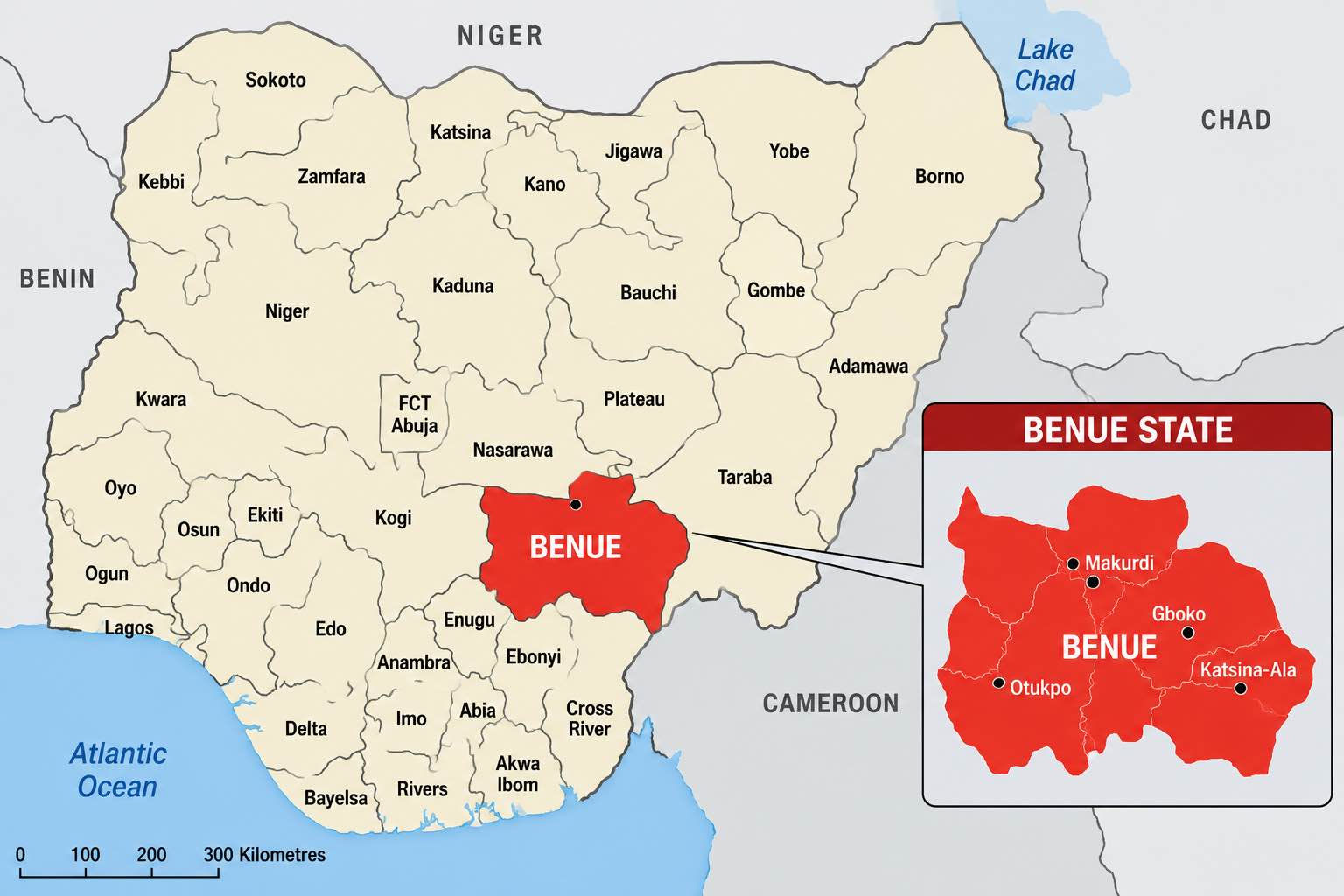
Senate Demands Probe Into Benue Killings As Death Toll Hits 113
The Nigerian Senate has directed the Inspector-General of Police, Tunji Disu, to investigate the reported killing of 113 people in four separate attacks across communities in Benue State and ensure those responsible are brought to justice.
NewsVaultHQ5 min read
Read more
France Reports First Human Shamonda Virus Case as Disease Spreads Across Western Europe
France has confirmed the world’s first documented human infection with Shamonda virus after a severely immunocompromised patient died in early October. The virus, which primarily affects livestock, has now been detected across 14 Western European countries and territories.
NewsVaultHQ7 min read
Read more