
World
France Crisis Deepens as Student Protests Spread Across the Country.
France is facing growing unrest as thousands of students protest poor school conditions, teacher shortages and wider concerns about their future, putting fresh pressure on Emmanuel Macron’s government.
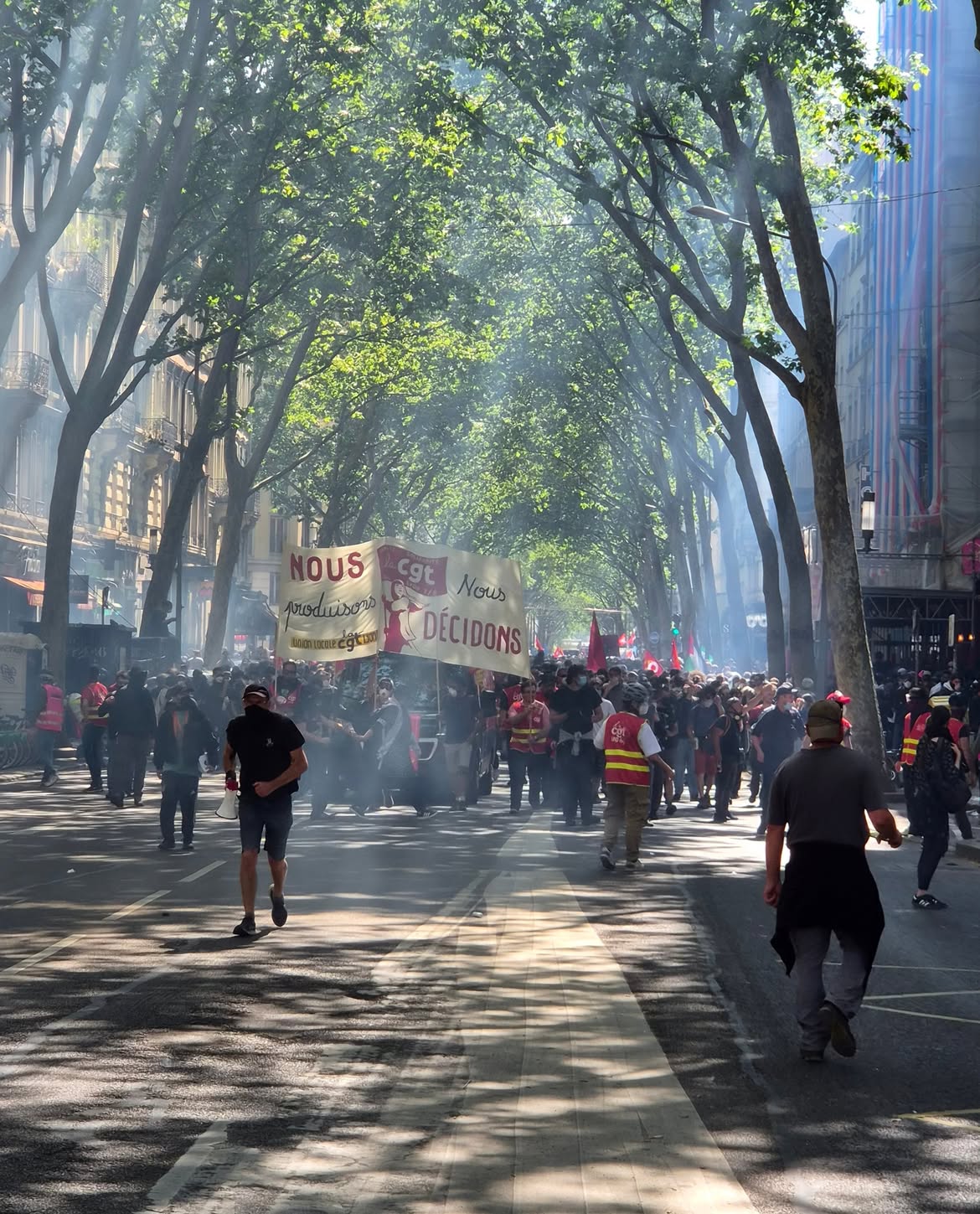
France Faces Growing Youth Unrest
France is facing a major wave of youth unrest as high school and university students continue demonstrations over the state of the country’s education system.
The protests, which began in the Paris suburbs in September, have spread across the country, drawing in students, teachers, trade unions and political groups. Schools have been blockaded, classes disrupted and large demonstrations staged in several cities.
On Tuesday, October 13, the movement gained fresh international attention when climate activist Greta Thunberg joined students outside Paul Éluard High School in Saint-Denis, north of Paris. Her appearance underscored the growing international interest in the protests.
Thousands Take to the Streets
The Interior Ministry estimated that about 161,500 people marched nationwide, including 41,500 in Paris. Clashes broke out in parts of the capital, with police using tear gas, water cannons and charges to disperse protesters.
At the heart of the movement are complaints about deteriorating school buildings, teacher shortages and difficult learning conditions. Students have described overcrowded classrooms, damaged furniture, leaking buildings and, in some schools, rat infestations.
They have also raised concerns about long school days and pressure surrounding university admissions. For many protesters, those problems have become part of a larger anxiety about their prospects after leaving school.
Education Problems Go Beyond School Buildings
The crisis is not limited to infrastructure. France has also experienced a significant decline in student performance.
Figures cited during the protests show that French 15-year-olds recorded a 43-point fall in reading performance between 2015 and 2025, reportedly the largest decline among OECD countries. Mathematics performance has also weakened.
For protesters, the figures reinforce their argument that France’s education problems are structural rather than temporary.
The government has acknowledged some of the concerns but faces a difficult financial environment. France is under pressure to reduce its public deficit and manage a large debt burden, restricting its ability to make major new spending commitments.
Pension Costs Complicate Education Spending
A government report released Tuesday highlighted another source of pressure. It found that 32% of the Education Ministry’s budget, equivalent to about €28.5 billion, goes toward pensions for retired civil servants. Across ministries, the average is about 13%.
The report warned that rising pension obligations are limiting the money available for other public services. The issue is particularly significant in education because teachers make up a substantial portion of France’s public workforce.
That leaves the government facing competing demands: students want immediate investment in schools, while ministers are under pressure to control spending and reassure financial markets.
Government Promises Action
Prime Minister Sébastien Lecornu has promised to review the students’ demands and present proposals by the end of October.
The government has also announced the deployment of 3,000 additional substitute teachers to address staff shortages. Officials hope the measure can provide some immediate relief while broader reforms are considered.
For many protesters, however, promises are not enough. They want improvements that can be seen inside classrooms rather than another round of government commitments.
Clashes With Police Escalate Tensions
The demonstrations have become increasingly contentious because of confrontations between protesters and police.
Thousands of people have been arrested, while both students and police officers have suffered injuries. More than 6,600 arrests had been reported by last week, with some reports putting the figure above 7,000.
One of the most serious incidents involved a 15-year-old student who lost a hand in an incident involving a police stun grenade. Following public outrage, Interior Minister Laurent Nunez suspended the use of the grenades during student protests while the circumstances were investigated.
Rights groups, unions and opposition politicians have accused police of using excessive force. Authorities, meanwhile, have pointed to violence, vandalism and attacks on public property.
School Damage Adds to the Dispute
The government has also warned about damage caused during the unrest.
Twenty-four high schools were reportedly damaged by fire or vandalism badly enough that some could remain closed for weeks. Education Minister Édouard Geffray estimated that repairs could cost between €20 million and €30 million.
The damage has created an uncomfortable contradiction for the movement. Protesters are demanding more investment in schools, while acts of vandalism risk directing additional education funds toward repairs instead of improvements.
Political Stakes Rise Ahead of 2027
The unrest is unfolding at a sensitive political moment for France. President Emmanuel Macron is approaching the end of his presidency, with the next presidential election scheduled for 2027.
Opposition parties have sought to connect themselves with the protesters, while the government has accused some political figures of exploiting the unrest.
Far-left leader Jean-Luc Mélenchon has supported the students. Far-right leader Marine Le Pen has condemned violence and argued that those responsible for damaging schools should contribute to repair costs.
Yet the movement itself is not simply a partisan campaign. Many young protesters say their immediate concern is having schools where they can learn and teachers who have the resources to teach effectively.
Protests Attract International Attention
France’s unrest has also begun attracting attention beyond its borders. Similar student actions have appeared in Belgium and Italy, while students in Germany have called for an international youth strike in November.
Thunberg’s appearance in Saint-Denis added another international dimension. Her support connected the French demonstrations with broader youth activism over issues affecting younger generations and their future.
The development suggests that the concerns driving the protests — education quality, public investment and young people’s prospects — extend beyond France.
France Faces a Difficult Financial Choice
The government now faces a difficult balancing act. It must address genuine problems in schools while attempting to reduce spending, manage debt and maintain investor confidence.
Lecornu has stressed that any promises must be realistic and financially sustainable. That limits the government’s room to respond with large-scale spending increases.
France is already dealing with the cost of servicing its debt, while investors are watching efforts to bring the deficit under control. Every new spending commitment therefore carries wider economic and political consequences.
A Wider Debate About France’s Future
The protests have consequently grown beyond an education dispute.
They have opened a wider debate about public spending, pension costs, inequality, policing and whether France’s younger generation feels adequately represented by its political institutions.
The issue of inequality is particularly important. Students in disadvantaged communities often face some of the most difficult school conditions, making education reform closely linked to broader questions about opportunity and social mobility.
The government’s decision to add substitute teachers may help address staffing shortages, but protesters are demanding a more comprehensive response that includes school facilities and long-term investment.
What Happens Next?
The next few weeks could determine whether France’s education crisis remains a concentrated student movement or develops into a broader national confrontation.
If the government’s proposals fail to satisfy protesters, demonstrations could attract greater support from teachers, unions and other groups. That could turn a dispute over schools into a wider challenge to the government.
For Macron’s administration, the political timing makes the situation even more difficult. With the 2027 presidential election approaching, the handling of the unrest could shape public perceptions of France’s political leadership and influence the issues that dominate the next election.
For the students on the streets, however, the core demand remains straightforward: better schools, adequate staffing and a stronger chance of building a secure future.
The government now has to decide how far it can go to meet those demands without aggravating the financial pressures already facing France. Its response could determine whether the current protests subside or become the beginning of a much larger political crisis.
Related stories
FG Tightens Ebola Screening as Nigeria Moves to Seal Entry-Point Gaps
The Federal Government has ordered stricter enforcement of Ebola screening and health protocols at Nigeria’s designated points of entry following concerns over breaches of existing measures.
NewsVaultHQ5 min read
Read more
APC Fires Back at Atiku Over ₦10bn Ebola Fund, Says Money Remains Untouched
The APC Presidential Campaign Council has rejected Atiku Abubakar’s criticism of the Federal Government’s handling of Nigeria’s latest Ebola case, insisting that the ₦10 billion approved by President Bola Tinubu for emergency preparedness in June remains untouched.
NewsVaultHQ5 min read
Read more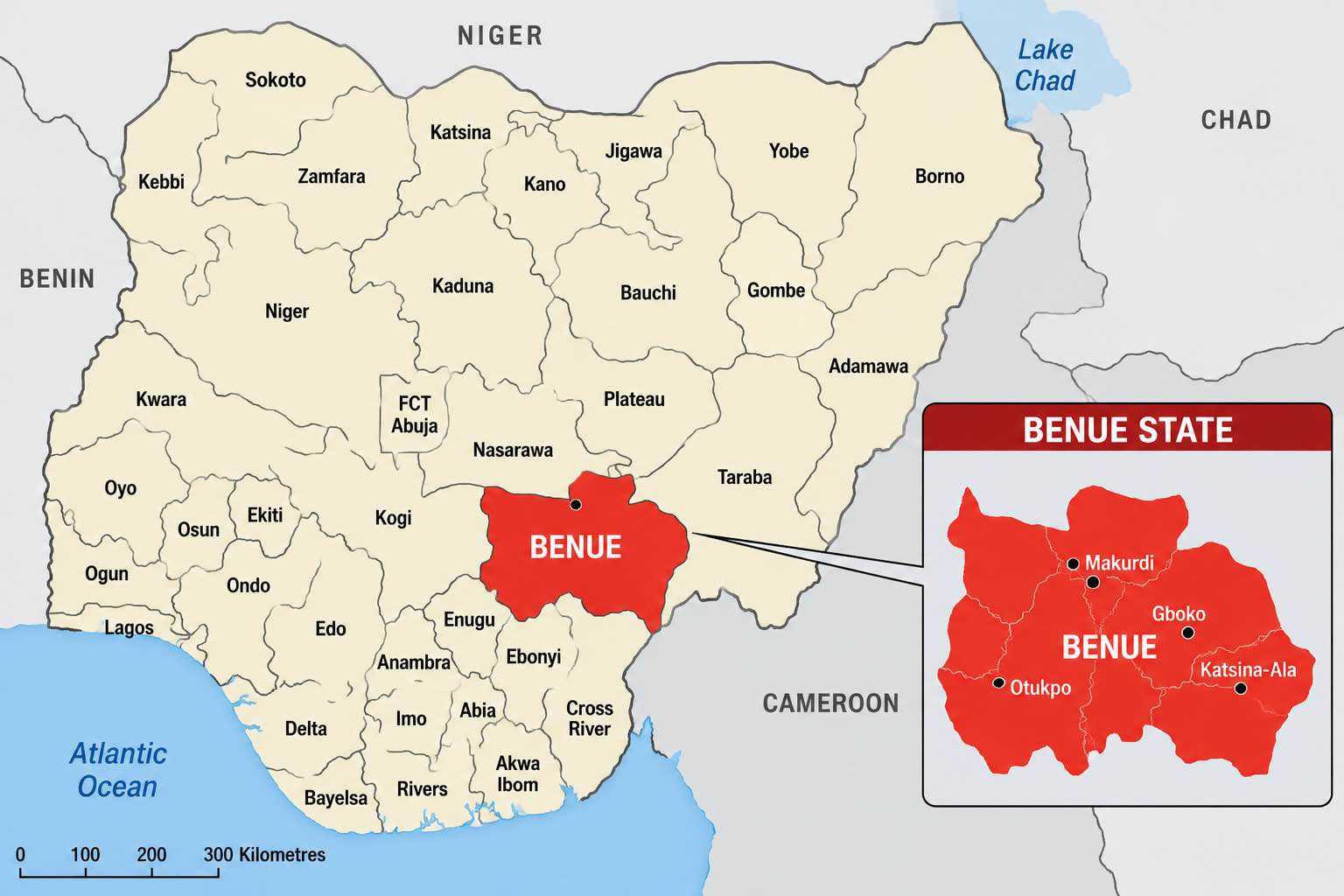
Senate Demands Probe Into Benue Killings As Death Toll Hits 113
The Nigerian Senate has directed the Inspector-General of Police, Tunji Disu, to investigate the reported killing of 113 people in four separate attacks across communities in Benue State and ensure those responsible are brought to justice.
NewsVaultHQ5 min read
Read more
France Reports First Human Shamonda Virus Case as Disease Spreads Across Western Europe
France has confirmed the world’s first documented human infection with Shamonda virus after a severely immunocompromised patient died in early October. The virus, which primarily affects livestock, has now been detected across 14 Western European countries and territories.
NewsVaultHQ7 min read
Read more