
World
Maradona Family Divided Over Punishment Demands
Diego Maradona’s family is split over the punishment sought for medical professionals accused in his 2020 death, with his daughters demanding lengthy prison terms.
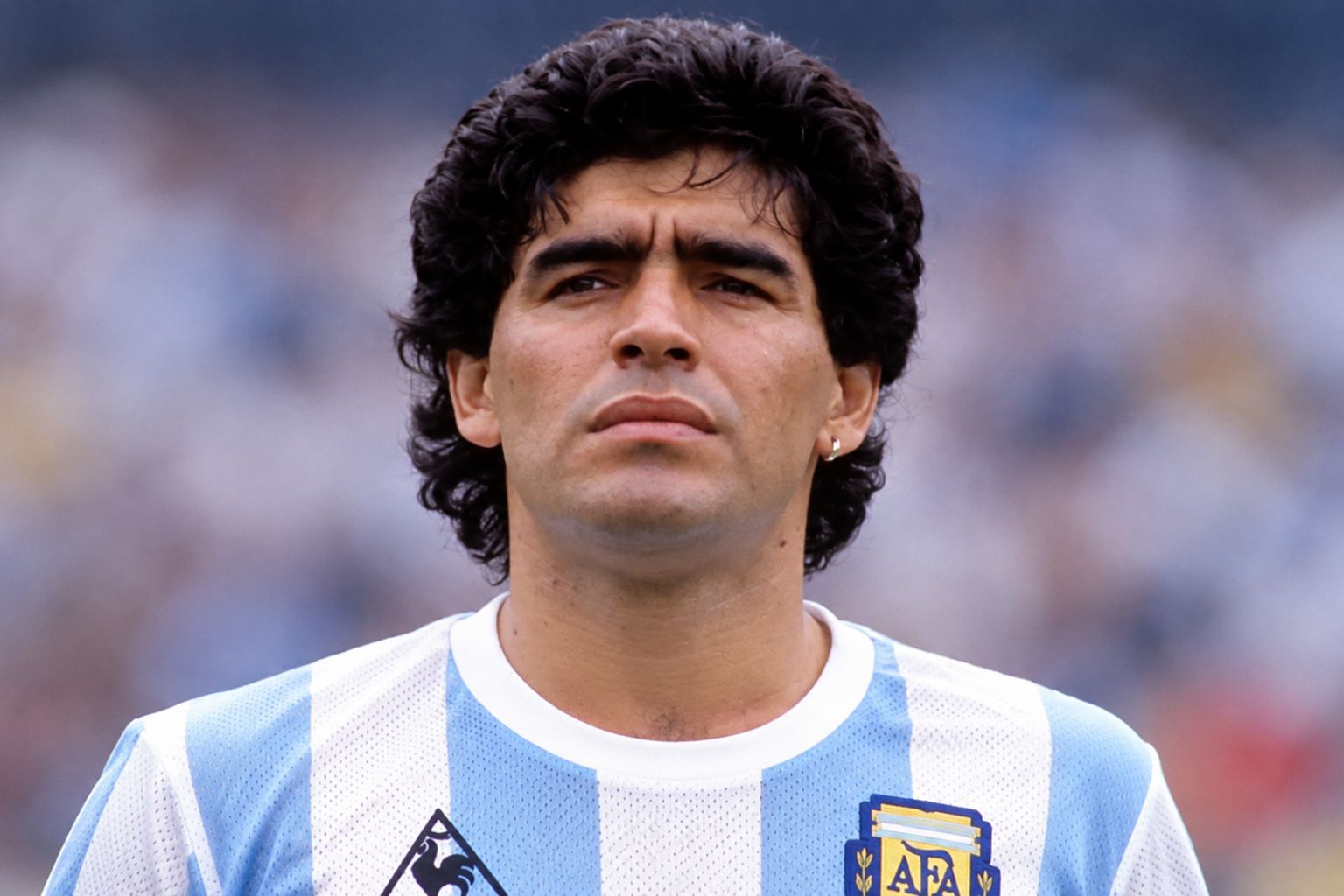
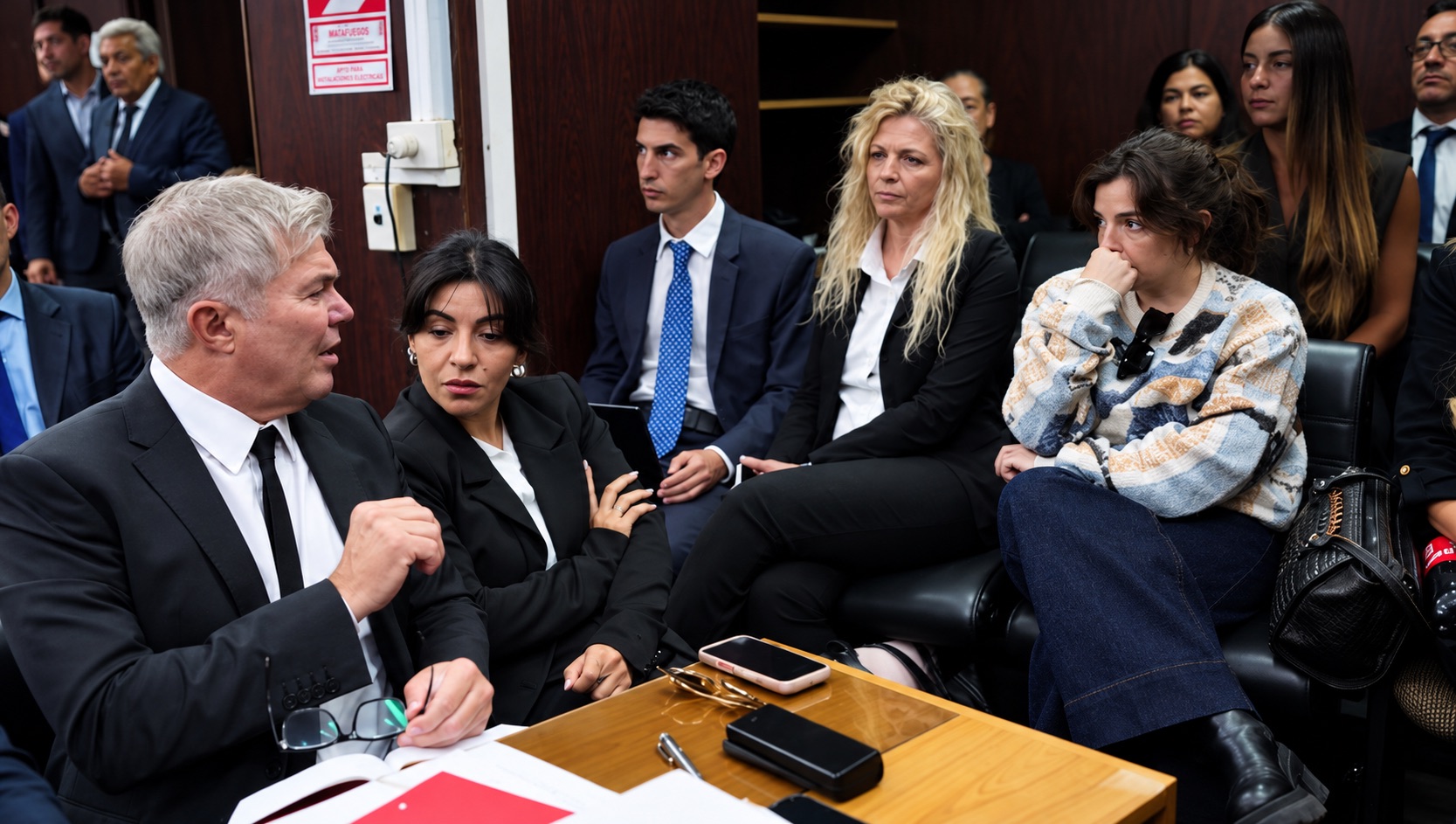
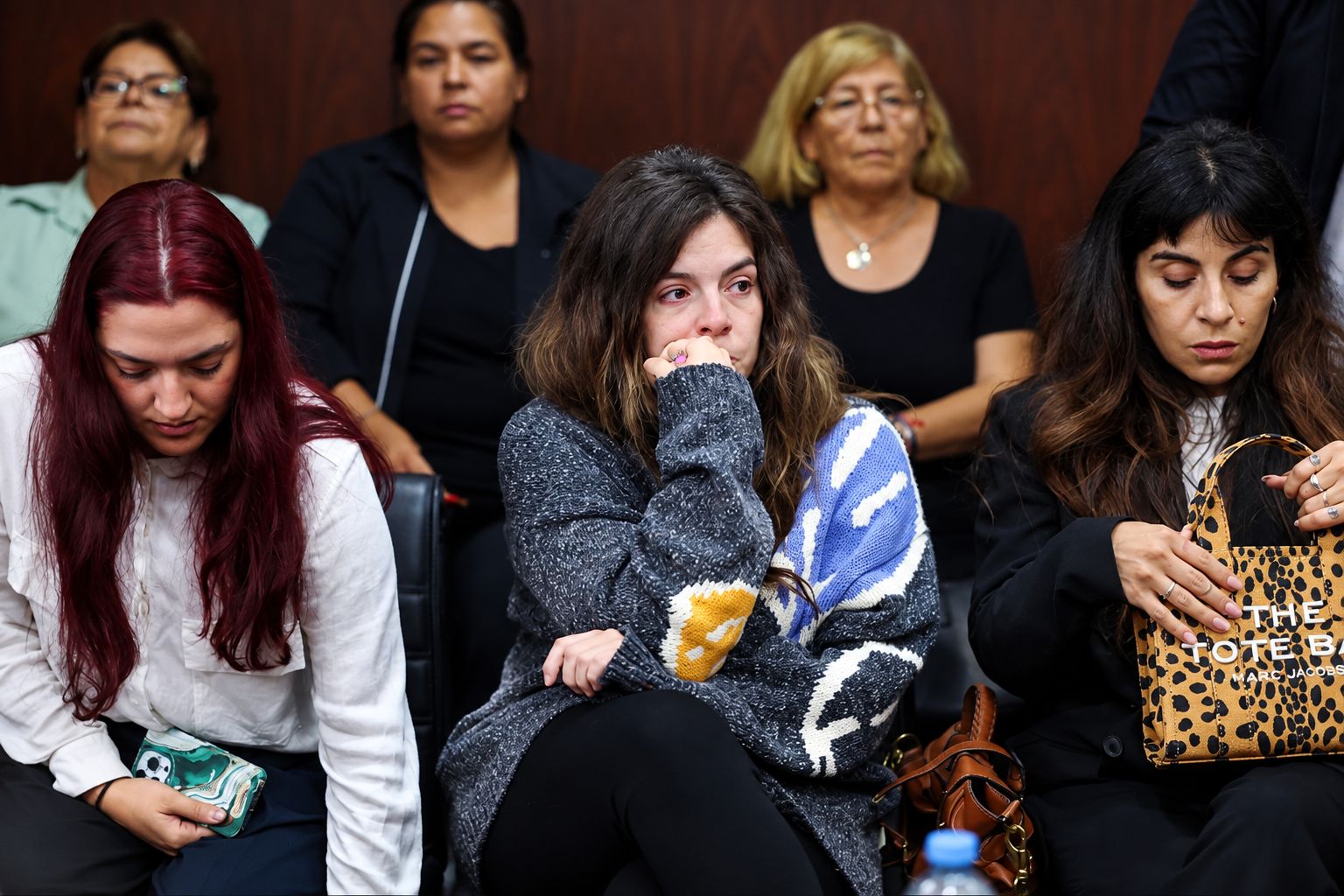
The family of Argentine football icon Diego Maradona has become divided over the prison terms being sought against members of the medical team accused of failing to properly care for him before his death in 2020.
The disagreement emerged as lawyers representing different members of Maradona’s family presented their positions during the closing stages of the trial in San Isidro, near Buenos Aires. While some relatives have demanded severe punishment, others have requested comparatively shorter sentences for several of the accused medical professionals.
Maradona, one of football’s greatest-ever players, died on November 25, 2020, at the age of 60. He suffered heart failure and acute pulmonary edema while recovering from surgery to remove a blood clot from his brain.
Seven medical professionals are currently facing trial over the circumstances surrounding his death. Prosecutors and family members involved in the case allege that the former Argentina captain received inadequate care while recovering at a rented home in Tigre, Buenos Aires province.
The defendants have rejected the accusations and maintained that they did not cause Maradona’s death.
Daughters Demand Tough Punishment
Two of Maradona’s daughters, Dalma and Gianinna, have taken one of the strongest positions in the case.
Their lawyer, Fernando Burlando, asked the court to impose prison sentences of up to 15 years on six of the seven medical professionals facing trial. During his closing arguments, Burlando described the circumstances surrounding Maradona’s death as an act of extreme neglect and accused those responsible for his care of showing what he characterized as “brutal indifference.”
The lawyer also described Maradona as a “mythological hero” and argued that those responsible for his treatment should face serious consequences.
Dalma and Gianinna have remained closely involved in the proceedings, having previously spoken publicly about their concerns over the medical treatment their father received during the final days of his life.
Their position reflects the belief that Maradona’s condition required a higher level of supervision and medical intervention than he received at the private residence.
Other Family Members Seek Different Sentences
Not every member of Maradona’s family has requested the same punishment.
Lawyers representing his three sisters — Rita, Claudia and Ana — have called for sentences of up to 10 years for five of the seven defendants.
Their legal representative, Pablo Jurado, identified medical coordinator Nancy Forlini as one of those who should receive a particularly severe punishment. However, the sentences requested by the sisters remain below those sought by the lawyers representing Dalma and Gianinna.
The difference in the positions has highlighted the complicated emotions surrounding a case that has kept Maradona’s family involved in the legal process for years.
Another position was presented on behalf of Maradona’s youngest son, Diego Fernando Maradona. His lawyer previously requested 16-year prison sentences for Maradona’s personal physician, neurosurgeon Leopoldo Luque, and Forlini.
The varying demands demonstrate that while members of the family agree that responsibility must be established, they do not necessarily share the same view about how severe the punishment should be.
Prosecutors Also Seek Convictions
The family’s demands come after Argentine prosecutors called for convictions against six of the seven professionals.
Prosecutors have requested prison terms ranging from four to 12 years. Luque, who was Maradona’s personal physician, is facing the highest sentence requested by the prosecution, with prosecutors seeking 12 years behind bars.
Other medical workers accused in the case include psychiatrist Agustina Cosachov, psychologist Carlos Díaz, nurse Ricardo Almirón, nursing coordinator Mariano Perroni and medical coordinator Nancy Forlini.
The prosecution has argued that the team failed to respond appropriately to warning signs in Maradona’s condition.
According to prosecutors, the decision to allow the football icon to recover at home rather than in a hospital created circumstances in which his deteriorating health could not be adequately monitored.
The case has also focused on the lack of essential medical equipment at the property, including equipment that could have been important during an emergency.
Prosecutors have argued that Maradona displayed signs of serious deterioration before his death, including breathing difficulties, edema and an elevated heart rate.
They contend that the warning signs should have prompted stronger medical intervention.
Medical Team Denies Responsibility
The medical professionals on trial have denied responsibility for Maradona’s death.
Their defence has argued that his condition was complicated and that his death could not have been predicted in the manner suggested by prosecutors and the family’s lawyers.
The case has therefore centred on the question of whether the medical team acted negligently and whether their decisions contributed directly to Maradona’s death.
The defendants have also sought to distance themselves from individual responsibility for the care provided during his final days.
The defence teams are expected to continue challenging the prosecution’s interpretation of the evidence as the proceedings move toward a verdict. They have argued that responsibility for such a complicated medical situation cannot be established simply by examining the events that occurred immediately before Maradona died.
Verdict Still Pending
The current proceedings are now approaching their conclusion, but the court has not yet delivered a verdict.
Closing arguments are expected to continue through the end of October before the court considers the evidence and arguments presented by the prosecution, defence teams and the various parties representing Maradona’s family.
A final decision will determine whether any of the medical professionals are found criminally responsible for the football legend’s death and whether prison sentences will ultimately be imposed.
For Maradona’s family, the proceedings represent a long-awaited attempt to determine what happened during the final days of the man who became an international sporting icon.
The case has also kept public attention focused on the level of care provided to Maradona after his brain surgery. His death prompted questions across Argentina about whether his treatment and supervision were appropriate given his medical condition.
Maradona’s death shocked Argentina and football supporters around the world. Five years after his passing, his family remains divided over the punishment they believe those involved in his medical care should receive.
The court’s eventual ruling is expected to bring a significant moment in a case that has continued to attract intense public attention in Argentina and beyond.
Related stories
FG Tightens Ebola Screening as Nigeria Moves to Seal Entry-Point Gaps
The Federal Government has ordered stricter enforcement of Ebola screening and health protocols at Nigeria’s designated points of entry following concerns over breaches of existing measures.
NewsVaultHQ5 min read
Read more
APC Fires Back at Atiku Over ₦10bn Ebola Fund, Says Money Remains Untouched
The APC Presidential Campaign Council has rejected Atiku Abubakar’s criticism of the Federal Government’s handling of Nigeria’s latest Ebola case, insisting that the ₦10 billion approved by President Bola Tinubu for emergency preparedness in June remains untouched.
NewsVaultHQ5 min read
Read more
Senate Demands Probe Into Benue Killings As Death Toll Hits 113
The Nigerian Senate has directed the Inspector-General of Police, Tunji Disu, to investigate the reported killing of 113 people in four separate attacks across communities in Benue State and ensure those responsible are brought to justice.
NewsVaultHQ5 min read
Read more
France Reports First Human Shamonda Virus Case as Disease Spreads Across Western Europe
France has confirmed the world’s first documented human infection with Shamonda virus after a severely immunocompromised patient died in early October. The virus, which primarily affects livestock, has now been detected across 14 Western European countries and territories.
NewsVaultHQ7 min read
Read more