
World
NCDC Approves ₦100,000 Weekly Payment for Ebola Contacts
The Nigeria Centre for Disease Control and Prevention has approved an emergency weekly payment of ₦100,000 for people placed under isolation or quarantine following Nigeria’s confirmed Ebola case, as authorities intensify efforts to prevent further transmission.
The Nigeria Centre for Disease Control and Prevention (NCDC) has approved a ₦100,000 weekly payment for individuals placed under isolation or quarantine as part of Nigeria’s ongoing response to the Ebola outbreak in the Federal Capital Territory.
The emergency intervention was announced by NCDC Director-General, Dr Jide Idris, during a press briefing in Abuja on Sunday. According to Idris, the decision followed concerns raised by people identified as contacts of the confirmed Ebola patient, particularly over the financial difficulties associated with remaining under public health monitoring.
The support is intended to help affected individuals cope with essential expenses while complying with health authorities’ instructions.
Idris explained that the government was already covering accommodation and feeding for contacts staying in designated facilities. However, some of those under monitoring expressed concerns about their families and other financial responsibilities they could no longer attend to while in quarantine.
“We are paying for their accommodation; we are paying for their feeding. Some of them are asking for a stipend to maintain their families,” Idris said.
He added that the NCDC had approved ₦100,000 per person every week to provide additional support during the monitoring period.
Why the NCDC introduced the payment
The payment was not part of the agency’s original Ebola response plan. Idris described it as an emergency measure introduced after authorities became aware of the financial pressure being experienced by some contacts.
People placed under quarantine may be unable to report to work, run businesses, travel freely or carry out their normal family responsibilities. For individuals who are self-employed or depend on daily income, the restriction can create significant financial difficulties.
The NCDC therefore considered the additional assistance necessary to make compliance with public health measures easier while reducing the pressure on people who are being monitored.
Idris said the arrangement would continue to be reviewed as the situation develops.
The intervention also highlights the wider importance of supporting people who cooperate with contact-tracing programmes during infectious disease emergencies. Health authorities rely heavily on identified contacts remaining available for monitoring so that symptoms can be detected quickly if they develop.
53 primary contacts identified
The NCDC has so far identified 53 primary contacts connected to Nigeria’s confirmed Ebola case in the FCT.
According to information released by the agency, 44 of the contacts were identified at the health facility where the patient received treatment, while nine additional people were identified through other links to the case. The latter group includes the patient’s husband, driver and chef, three healthcare workers who treated her at another clinic and three members of a team involved in collecting samples.
Public health officials have categorised the contacts according to their levels of exposure and are following them closely. Authorities are also working to establish whether the primary contacts interacted with other people who may subsequently need to be monitored.
The monitoring process is particularly important because Ebola symptoms can take time to appear after exposure. Contacts are expected to undergo monitoring for 21 days after their last possible exposure, allowing health teams to identify symptoms early and arrange testing where necessary.
Being a contact does not mean having Ebola
Health authorities have also sought to prevent unnecessary fear and stigma surrounding people identified during contact tracing.
Being classified as an Ebola contact does not mean that an individual has contracted the virus. Instead, it means the person may have been exposed and therefore needs to be monitored for possible symptoms.
The distinction is important as Nigeria works to contain the current situation without creating unnecessary panic among the public.
The NCDC has urged Nigerians to cooperate with health officials, provide accurate information during contact tracing and follow official health advice. The agency has also warned against spreading unverified information that could undermine the response.
Nigeria strengthens outbreak preparedness
The financial support comes as Nigeria continues to strengthen its response following confirmation of an imported Ebola case in Abuja.
Nigeria confirmed the case on October 20, 2026, marking the country’s first confirmed Ebola infection since the 2014 outbreak. The current case involves a woman who travelled to Nigeria from Uganda before developing symptoms and subsequently testing positive for the Bundibugyo strain of Ebola virus.
Authorities have activated outbreak response structures and increased surveillance, contact tracing, infection prevention and control measures.
Healthcare facilities are also being reminded to maintain appropriate screening and precautionary procedures when dealing with patients who may meet the criteria for suspected Ebola infection.
The NCDC has been working with the Federal Ministry of Health and Social Welfare, FCT health authorities and other partners to coordinate the response.
States urged to prepare for emergencies
Beyond the immediate situation in Abuja, Idris stressed that emergency preparedness should not be viewed as the responsibility of the FCT alone.
He said state governments must have the resources, facilities and materials necessary to respond if infectious disease emergencies occur within their jurisdictions.
According to the NCDC chief, other states may face similar situations in the future and must therefore be prepared to support contact tracing, isolation, monitoring and other response activities.
The call reflects lessons from Nigeria’s previous Ebola experience, when rapid identification of cases and contacts, isolation and coordinated public health action played a major role in limiting transmission.
Public cooperation remains crucial
As authorities continue their efforts, Nigerians are being encouraged to rely on information from official health agencies rather than rumours circulating on social media.
The NCDC has also stressed the importance of prompt reporting of symptoms and cooperation with healthcare workers and contact-tracing teams.
The ₦100,000 weekly support is therefore more than a financial intervention. It is part of an effort to remove some of the practical difficulties that could prevent people from complying with quarantine and monitoring requirements.
For the contacts currently being followed, the priority remains early detection and preventing potential transmission. For the wider public, health officials continue to emphasise vigilance without unnecessary panic.
With 53 primary contacts identified and surveillance continuing, authorities are working to determine whether additional contacts need to be monitored while strengthening preparedness across the country.
The NCDC has indicated that the emergency payment arrangement will be reviewed as the response progresses, meaning the support could be adjusted depending on the needs of the affected individuals and the development of the outbreak.
Nigeria’s ability to contain the situation will ultimately depend on effective contact tracing, adequate healthcare preparedness, accurate information and public cooperation. The latest financial intervention is intended to ensure that those directly involved in the monitoring process are supported while health officials work to prevent further spread of Ebola.
Related stories

‘Blaming Opposition For Hunger Is Delusional,’ Atiku Replies Tinubu
Former Vice President Atiku Abubakar has criticised President Bola Tinubu after the president blamed opposition parties for hunger and poverty in Nigeria, saying the government should take responsibility for the economic difficulties facing citizens.
NewsVaultHQ5 min read
Read more
FG Tightens Ebola Screening as Nigeria Moves to Seal Entry-Point Gaps
The Federal Government has ordered stricter enforcement of Ebola screening and health protocols at Nigeria’s designated points of entry following concerns over breaches of existing measures.
NewsVaultHQ5 min read
Read more
APC Fires Back at Atiku Over ₦10bn Ebola Fund, Says Money Remains Untouched
The APC Presidential Campaign Council has rejected Atiku Abubakar’s criticism of the Federal Government’s handling of Nigeria’s latest Ebola case, insisting that the ₦10 billion approved by President Bola Tinubu for emergency preparedness in June remains untouched.
NewsVaultHQ5 min read
Read more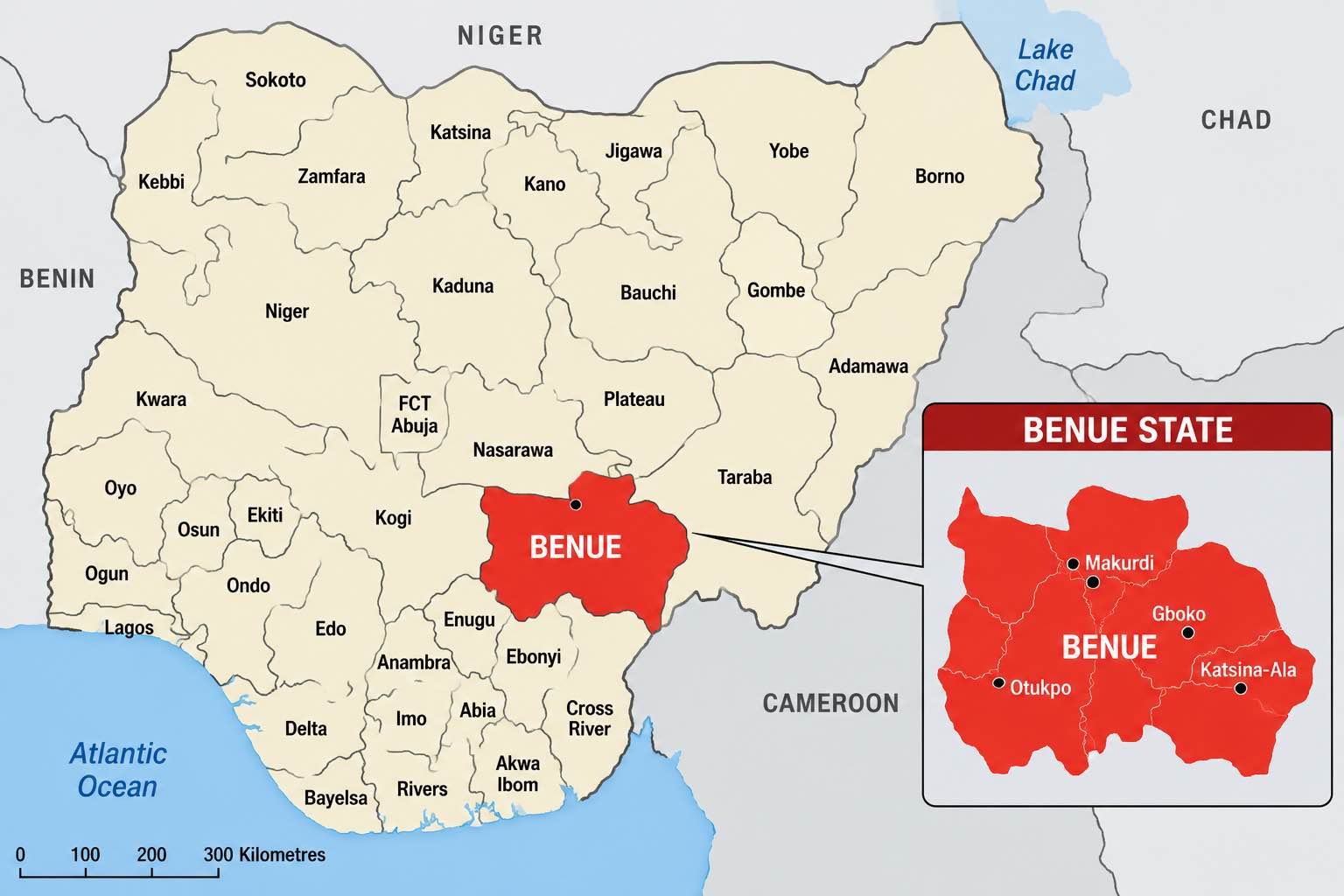
Senate Demands Probe Into Benue Killings As Death Toll Hits 113
The Nigerian Senate has directed the Inspector-General of Police, Tunji Disu, to investigate the reported killing of 113 people in four separate attacks across communities in Benue State and ensure those responsible are brought to justice.
NewsVaultHQ5 min read
Read more