
World
Uganda Says No Active Ebola Cases After Nigeria Confirms Infection
Uganda’s health ministry said it had no confirmed active Ebola cases, Premium Times reports. Channels TV says Nigeria confirmed an infection in a woman who had recently visited Uganda.
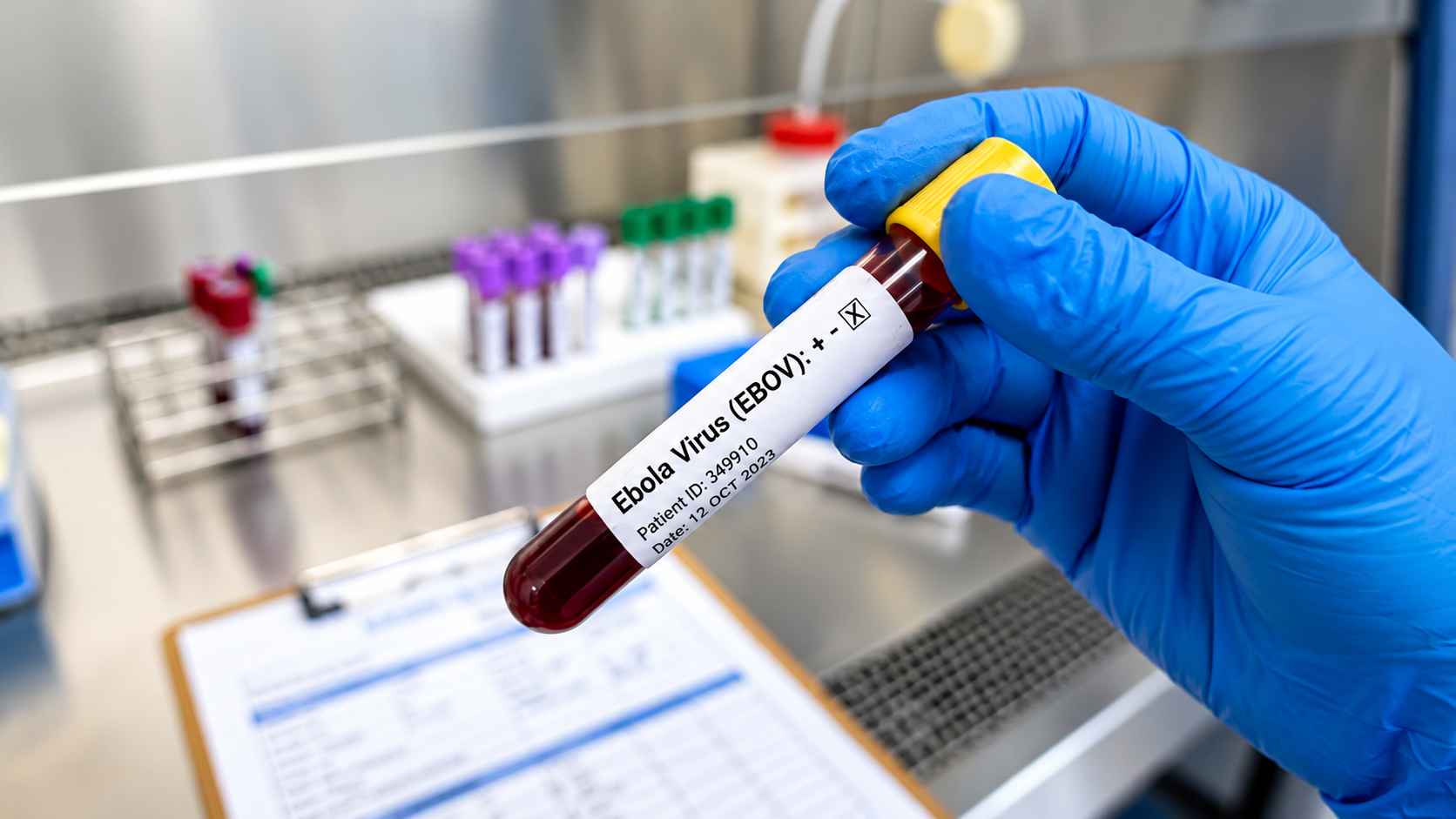
Nigeria has confirmed its first Ebola case in more than a decade after a woman who recently travelled through Uganda tested positive for the Ebola Bundibugyo virus in Abuja.
The development has raised fresh concerns about the movement of Ebola across African borders, particularly as the current outbreak has already affected several countries. However, Ugandan authorities have stressed that the Nigerian patient’s passage through Uganda does not mean she contracted the virus there.
Uganda’s Ministry of Health said the country currently has no confirmed active Ebola cases, while investigations continue into where the Nigerian patient was exposed. The clarification is important because Uganda itself experienced an Ebola outbreak earlier in 2026 before successfully bringing transmission to an end.
How Uganda First Detected Ebola
Uganda’s experience with the current outbreak began in May 2026 after Ebola infections were linked to people crossing into the country from the Democratic Republic of Congo.
The outbreak was officially declared on May 15, with Ugandan authorities beginning investigations, contact tracing, surveillance and other emergency measures to identify infected people and prevent further spread.
According to Uganda’s Ministry of Health, the 2026 outbreak was different from some previous outbreaks because the source was a documented importation event. Authorities were able to identify the source of infection, establish transmission links and follow people who had been exposed.
Uganda eventually recorded 20 confirmed cases and two deaths during the outbreak. The response included isolation of patients, monitoring of contacts and increased surveillance to identify possible infections as quickly as possible.
The country’s last confirmed patient was discharged from care in July. Uganda then completed the required 42-day period without a new confirmed case, allowing the World Health Organization and Africa CDC to declare the outbreak over in August. The 42-day countdown is used because it represents twice Ebola’s maximum incubation period and provides additional confidence that active transmission has stopped.
That history explains why Uganda is now emphasizing that there is no evidence of an active outbreak simply because an infected traveller passed through the country.
Why Nigeria’s Case Is Being Linked To Uganda
Nigeria’s current Ebola case involves a woman who travelled from an area affected by the wider outbreak and passed through Uganda before arriving in Nigeria.
According to the World Health Organization, the woman arrived in Nigeria and developed symptoms on October 7, four days after her arrival. She sought medical attention at a private health facility in Abuja on October 11, initially presenting with symptoms that could resemble more common illnesses. Laboratory testing later confirmed Ebola Bundibugyo virus disease on October 20.
The patient is now in isolation and receiving medical care.
Nigerian authorities have also started contact tracing. At least 44 contacts had been identified as authorities worked to determine who may have been exposed and whether additional people needed to be monitored.
Uganda, meanwhile, has made clear that the woman’s travel through the country does not prove that she became infected there.
The Ugandan Ministry of Health said preliminary information showed that she travelled to eastern Democratic Republic of Congo for business and passed through Uganda without showing symptoms. She later developed symptoms after reaching Nigeria.
As a result, the location where she was exposed remains under investigation.
Nigeria’s First Warning Signs
Nigeria’s response also demonstrates why early recognition can be difficult.
Ebola does not always begin with symptoms that immediately identify the disease. Early signs can look similar to malaria, typhoid and other common infections.
The patient reportedly developed symptoms several days after arriving in Nigeria and initially sought care for what appeared to be malaria-like illness. This is significant because fever, weakness, headache, muscle pain and other early symptoms can occur in several diseases common in the region.
As the illness progresses, Ebola can cause vomiting, severe diarrhoea, abdominal pain, rash and other serious symptoms. Bleeding can occur, but it is not present in every patient and should not be considered the only warning sign.
The Nigerian case therefore highlights the importance of doctors asking patients about recent travel and possible exposure when they present with unexplained symptoms, particularly during an active regional outbreak.
How Ebola Spreads
Ebola is not spread simply by being near an infected person in the same way as highly contagious respiratory infections.
The virus is mainly transmitted through direct contact with the blood or other bodily fluids of an infected person, or through contaminated materials.
This means people caring for sick relatives or patients can face a greater risk if proper infection-control measures are not followed.
Healthcare workers are also particularly vulnerable when protective procedures are not properly maintained. This is why suspected cases need to be identified quickly and managed in appropriate isolation while health authorities investigate and conduct contact tracing.
The virus can also be transmitted through contact with the bodies of people who have died from Ebola, making safe and controlled burial practices an important part of outbreak prevention.
How Nigerians Can Help Prevent Ebola Infection
Nigerians should not panic following the confirmation of the case in Abuja. Instead, the focus should be on awareness, hygiene and quickly reporting possible exposure.
- Wash your hands regularly
Regular handwashing with soap and water is one of the simplest ways to reduce the risk of spreading infectious diseases.
Where soap and running water are unavailable, an alcohol-based hand sanitiser can be used.
- Avoid contact with bodily fluids
People should avoid touching the blood, vomit, diarrhoea, urine or other bodily fluids of anyone suspected of having Ebola.
People should also avoid handling contaminated clothing, bedding or medical equipment without proper protective measures.
- Do not care for suspected patients without protection
Family members should not attempt to provide close physical care to someone suspected of having Ebola without appropriate guidance and protective equipment.
Instead, they should contact health authorities or medical professionals so the patient can receive proper care while reducing the risk of transmission.
- Pay attention to travel history
Anyone who has recently travelled to an area affected by Ebola should inform healthcare workers about that travel history if they become ill.
This information can help doctors determine whether Ebola or another infectious disease needs to be considered.
- Take unusual symptoms seriously
Fever, severe weakness, headache, muscle pain, vomiting, diarrhoea and abdominal pain can have many causes, so these symptoms do not automatically mean someone has Ebola.
However, someone who develops such symptoms after possible exposure or travel to an affected area should seek medical attention promptly and disclose their travel and exposure history.
- Avoid rumours and misinformation
The confirmation of one case in Nigeria does not mean that the country is experiencing widespread community transmission.
At the time of the latest official reports, authorities were investigating the case and monitoring identified contacts.
Nigerians should rely on updates from the Federal Ministry of Health and Social Welfare, the Nigeria Centre for Disease Control and Prevention, the World Health Organization and other recognised health authorities rather than unverified social media claims.
Nigeria Is Drawing On Its Previous Ebola Experience
Nigeria has dealt with Ebola before.
The country successfully contained the 2014 Ebola outbreak after the virus entered the country through an infected traveller. That experience helped strengthen systems for contact tracing, isolation, surveillance and emergency response.
Those lessons are now particularly important as Nigeria responds to the newly confirmed case in Abuja.
The Federal Government had already increased Ebola surveillance and preparedness earlier in 2026 because of the outbreak in the Democratic Republic of Congo and the subsequent spread to other countries. The country’s preparedness efforts include early detection, laboratory diagnosis, contact tracing, infection prevention and control, risk communication and protection of healthcare workers.
Uganda’s Experience Offers Another Important Lesson
Uganda’s 2026 outbreak shows that Ebola can be contained when cases are identified quickly and public health systems respond effectively.
The country was able to trace contacts, isolate infected people and monitor those who may have been exposed. After no new cases were detected for the required period, Uganda was officially declared Ebola-free.
But the latest Nigerian case also demonstrates why countries cannot completely relax surveillance simply because an outbreak has ended.
International travel can move infections across borders before symptoms become obvious. The Nigerian patient travelled through Uganda without symptoms before becoming ill after reaching Nigeria.
That is why health authorities across Africa continue to emphasize surveillance, rapid testing, contact tracing and cooperation between countries.
For Nigerians, the immediate message is one of caution rather than panic.
Nigeria has confirmed one imported Ebola case in Abuja, and health authorities are already working to identify and monitor people who may have been exposed. Uganda has also confirmed that it currently has no active Ebola cases.
The source of the Nigerian patient’s infection remains under investigation. Until more information becomes available, Nigerians can play their part by maintaining good hand hygiene, avoiding contact with bodily fluids, reporting suspected exposure and seeking medical attention when concerning symptoms develop.
The fight against Ebola depends not only on hospitals and health authorities but also on informed members of the public who know what to watch for and how to respond.
Related stories

FG Tightens Ebola Screening as Nigeria Moves to Seal Entry-Point Gaps
The Federal Government has ordered stricter enforcement of Ebola screening and health protocols at Nigeria’s designated points of entry following concerns over breaches of existing measures.
NewsVaultHQ5 min read
Read more
APC Fires Back at Atiku Over ₦10bn Ebola Fund, Says Money Remains Untouched
The APC Presidential Campaign Council has rejected Atiku Abubakar’s criticism of the Federal Government’s handling of Nigeria’s latest Ebola case, insisting that the ₦10 billion approved by President Bola Tinubu for emergency preparedness in June remains untouched.
NewsVaultHQ5 min read
Read more
Senate Demands Probe Into Benue Killings As Death Toll Hits 113
The Nigerian Senate has directed the Inspector-General of Police, Tunji Disu, to investigate the reported killing of 113 people in four separate attacks across communities in Benue State and ensure those responsible are brought to justice.
NewsVaultHQ5 min read
Read more
France Reports First Human Shamonda Virus Case as Disease Spreads Across Western Europe
France has confirmed the world’s first documented human infection with Shamonda virus after a severely immunocompromised patient died in early October. The virus, which primarily affects livestock, has now been detected across 14 Western European countries and territories.
NewsVaultHQ7 min read
Read more