
World
SERAP Sues INEC Over Failure to Account for ₦126bn Electoral Funds
The Socio-Economic Rights and Accountability Project has sued INEC at the Federal High Court in Abuja, demanding details of how more than ₦126.46 billion allocated for electoral operations was spent.
The Socio-Economic Rights and Accountability Project (SERAP) has filed a lawsuit against the Independent National Electoral Commission (INEC), demanding an explanation for the expenditure and utilisation of more than ₦126.46 billion allocated for electoral operations.
The suit was filed at the Federal High Court in Abuja after SERAP accused the electoral commission of failing to adequately account for public funds which, according to findings cited from the Auditor-General of the Federation, were affected by alleged procurement breaches, inadequate documentation and questions over the delivery of goods and services.
SERAP is not simply alleging that the entire ₦126.46 billion was stolen. Rather, it is asking INEC to provide a detailed financial and documentary account showing how the money was spent, who received it, what was procured and whether the items and services paid for were actually delivered.
The organisation’s case is based largely on findings contained in the 2023 audited report of the Auditor-General of the Federation, which was published on August 7, 2026. The audit findings covered transactions from January to December 2022 and, in some instances, extended to December 31, 2023.
What was the money meant for?
According to SERAP’s filings, the funds were appropriated for a wide range of activities connected to election administration.
They included the procurement of ballot boxes, electoral devices and other election materials, sensitive materials and result sheets, vehicles and accreditation equipment. The money was also intended to cover audit and consultancy services, digital archiving and other goods and services required for the organisation and conduct of elections.
The controversy therefore centres not on whether INEC needed money for electoral operations, but on whether the commission followed the required procedures when spending the funds and whether Nigerians received the goods and services for which payments were made.
₦112bn payment for electoral materials
One of the biggest issues highlighted in the case involves more than ₦112.15 billion.
SERAP said the Auditor-General found that INEC paid ₦112,155,597,845 for ballot boxes, electoral devices and other items without competitive bidding or a Certificate of No Objection from the Bureau of Public Procurement.
The audit reportedly found no evidence that the items had actually been procured. It also raised questions about the companies that received the contracts, including concerns over their competence, experience, capacity, addresses and factory locations.
The Auditor-General consequently expressed concern that the money may have been diverted and called for its recovery.
SERAP is now asking INEC to produce documentary and physical evidence demonstrating that the materials were procured and to disclose where those materials are currently located.
Other payments questioned
The allegations extend beyond the ₦112 billion transaction.
SERAP cited a payment of about ₦1.06 billion for Toyota Prado TXL 2021 vehicles. According to the organisation, the transaction did not go through advertisement, competitive bidding, bid evaluation or the required BPP Certificate of No Objection. The Auditor-General reportedly raised concerns that the funds may have been lost and that the contracts could have been inflated.
Another ₦3.14 billion was allegedly paid to four contractors for ballot guides, sensitive electoral materials and result sheets before the contracts were awarded. SERAP said the Auditor-General questioned the transaction and recommended recovery of the funds.
There was also an alleged ₦9.25 billion payment involving 22 contracts for similar goods and services. According to the audit findings cited by SERAP, the contracts were allegedly split and awarded on the same day, raising concerns that procurement procedures may have been circumvented. The Auditor-General also questioned whether the items were actually supplied.
Concerns over audit and accreditation payments
The case also includes smaller transactions that SERAP says require clarification.
About ₦129.38 million was reportedly paid to 19 accounting firms for financial audit services. However, SERAP said the Auditor-General found no evidence of utilisation, requests or expenditure by the consultants and raised concerns that the money may have been diverted.
Another ₦504.49 million was reportedly spent on accreditation devices without the required procurement process. Questions were raised about the timing of the delivery of a security licence key, with the software reportedly valid for only four months.
SERAP also cited a payment of approximately ₦235.1 million to contractors for sleeping mats and digital archiving. The Auditor-General reportedly questioned the eligibility and capacity of the contractors involved.
What has INEC said about the money?
At the time of the latest reports on October 18, there was no substantive public response from INEC explaining each of the questioned transactions or providing a detailed breakdown of the ₦126.46 billion.
This is significant because SERAP had previously given INEC seven days in September to provide information about the funds, including the amounts paid, beneficiaries, contracts, procurement processes, contractors, suppliers and evidence that the goods and services were delivered.
The organisation also requested information showing the current status and location of the electoral assets involved.
The latest lawsuit therefore seeks to compel INEC through the courts to provide the information. SERAP is asking for an order of mandamus directing the commission to disclose details of the expenditure, utilisation and disbursement of the funds.
What SERAP wants from INEC
SERAP wants INEC to provide a complete financial and documentary account of the money, including the identities of contractors, suppliers and consultants who received payments.
It is also asking the commission to provide evidence showing that the goods and services covered by the payments were actually delivered and used for their intended purposes.
The organisation wants any officials, companies, contractors or other individuals found to have been involved in unlawful or irregular transactions identified. It has also called for any funds established to have been unlawfully spent, diverted or paid for undelivered goods and services to be recovered.
SERAP has argued that electoral funds are public resources and that the electoral commission must be able to demonstrate that every naira was spent lawfully and for the purpose for which it was appropriated.
The organisation’s concerns have also taken on added importance ahead of the 2027 general elections, with SERAP arguing that transparency over the management of electoral resources is essential to maintaining public confidence in the electoral process.
Court case now underway
The lawsuit, marked FHC/ABJ/CS/2507/2026, was filed at the Federal High Court in Abuja by SERAP’s lawyers, Kolawole Oluwadare, Kehinde Oyewumi and Andrew Nwankwo.
As of October 18, 2026, no hearing date had been fixed for the case.
The legal action means the controversy has now moved beyond SERAP’s earlier demand for an explanation and into the courts. The central question will be whether INEC can provide sufficient documentation to account for the disputed expenditure and address the concerns raised in the Auditor-General’s report.
It is important to note that the allegations remain allegations at this stage. The Auditor-General’s findings raised concerns about irregular expenditure, procurement procedures and possible losses, while SERAP is seeking further disclosure and accountability. A court determination or subsequent investigation would be required before claims of diversion or wrongdoing could be established against particular individuals or companies.
For now, SERAP wants INEC to open its records and demonstrate how the billions appropriated for Nigeria’s electoral system were spent.
With the 2027 elections approaching, the organisation maintains that Nigerians have a right to know how public money earmarked for elections was utilised and whether the equipment, materials and services paid for were actually delivered.
Related stories
FG Tightens Ebola Screening as Nigeria Moves to Seal Entry-Point Gaps
The Federal Government has ordered stricter enforcement of Ebola screening and health protocols at Nigeria’s designated points of entry following concerns over breaches of existing measures.
NewsVaultHQ5 min read
Read more
APC Fires Back at Atiku Over ₦10bn Ebola Fund, Says Money Remains Untouched
The APC Presidential Campaign Council has rejected Atiku Abubakar’s criticism of the Federal Government’s handling of Nigeria’s latest Ebola case, insisting that the ₦10 billion approved by President Bola Tinubu for emergency preparedness in June remains untouched.
NewsVaultHQ5 min read
Read more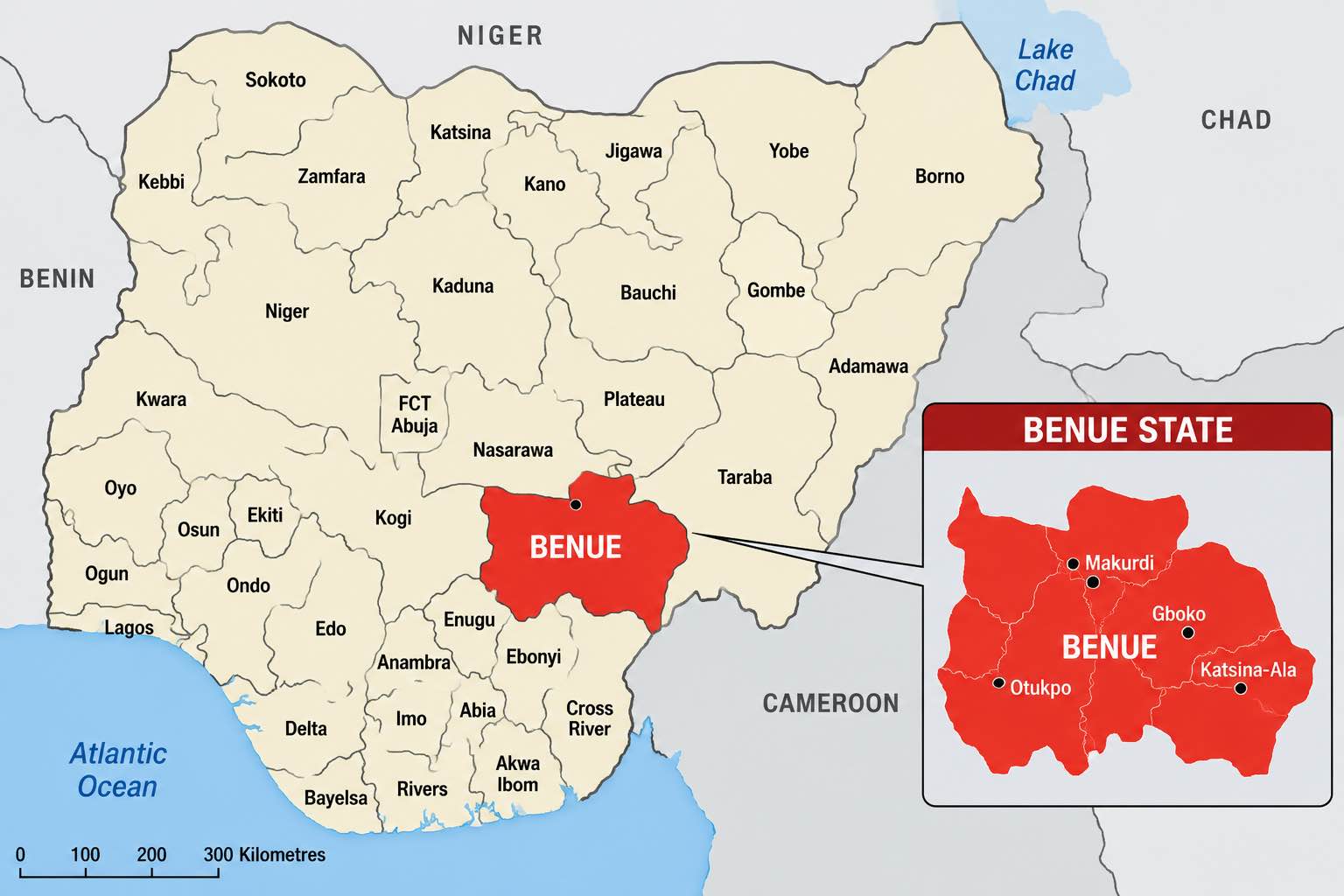
Senate Demands Probe Into Benue Killings As Death Toll Hits 113
The Nigerian Senate has directed the Inspector-General of Police, Tunji Disu, to investigate the reported killing of 113 people in four separate attacks across communities in Benue State and ensure those responsible are brought to justice.
NewsVaultHQ5 min read
Read more
France Reports First Human Shamonda Virus Case as Disease Spreads Across Western Europe
France has confirmed the world’s first documented human infection with Shamonda virus after a severely immunocompromised patient died in early October. The virus, which primarily affects livestock, has now been detected across 14 Western European countries and territories.
NewsVaultHQ7 min read
Read more