
World
Tinubu Reappoints Bala Bila, Nominates Six INEC Officials Ahead of 2027 Elections
President Bola Ahmed Tinubu has reappointed Bala Bila as an INEC National Commissioner and nominated six officials for vacant positions as preparations intensify for Nigeria’s 2027 general elections.
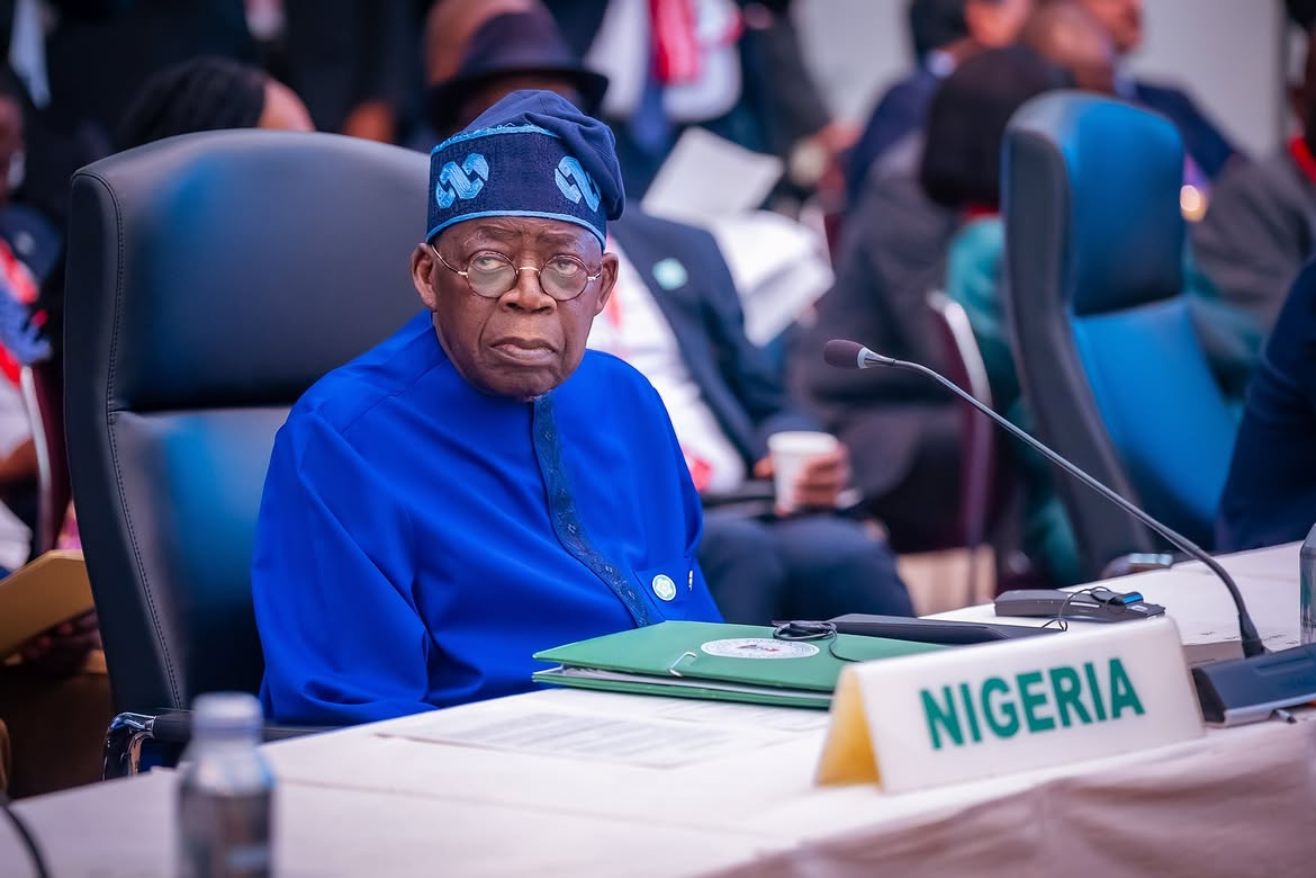
President Bola Ahmed Tinubu has moved to strengthen the leadership structure of the Independent National Electoral Commission (INEC) ahead of the 2027 general elections, reappointing Dr Bala Bila as a National Commissioner and nominating six other officials for vacant positions within the electoral body.
The nominations were announced on Friday, October 16, 2026, in a statement issued by Bayo Onanuga, the Special Adviser to the President on Information and Strategy.
According to the Presidency, the changes became necessary following the expiration of the tenures of some serving officials, creating vacancies that need to be filled before the next general elections.
The nominees will still have to undergo screening and confirmation by the Nigerian Senate before their appointments can be finalised. Tinubu has also asked the Senate to speed up the process because of the approaching elections scheduled for January next year.
Bala Bila Reappointed
As part of the changes, President Tinubu reappointed Dr Bala Bila to continue serving as the National Commissioner representing the North-East geopolitical zone.
Bila’s continuation on the commission comes as INEC enters another critical phase of preparations for the 2027 elections.
The National Commissioner position carries responsibility for participating in the commission’s national decision-making and oversight of electoral activities across the country.
The reappointment is separate from the six new nominations announced by the Presidency, although the State House grouped the overall changes under four National Commissioner positions and two Resident Electoral Commissioner positions.
Three New National Commissioners Nominated
Among the new National Commissioner nominees is Professor Mustapha Aliu, who has been selected to represent the North-West geopolitical zone.
If confirmed by the Senate, Aliu will replace Professor Abdullahi Zuru, whose tenure as the zone’s representative is coming to an end.
The President also nominated Bashir Muhammed Umar as the new National Commissioner representing the North-Central geopolitical zone.
Umar is expected to take over from Professor Muhammad Adamu, whose tenure has also expired.
The third new National Commissioner nominee is Mrs Oluwatoyin Babalola, who currently serves as the Resident Electoral Commissioner in Osun State.
Babalola has been nominated to represent the South-West at the national level. If confirmed, she will replace Professor Cornelius Ajayi, whose tenure is expected to expire on October 24, 2026.
Her nomination would see her move from overseeing INEC activities in Osun State to taking up a broader role on the commission’s national leadership.
The appointments are coming at a time when the electoral body is expected to intensify its preparations for the next nationwide elections.
Two Resident Electoral Commissioners Also Nominated
In addition to the National Commissioner positions, Tinubu nominated two people to serve as Resident Electoral Commissioners.
The first is Dr Samuel Akinjide Akinleye, a retired permanent secretary, who has been nominated as the Resident Electoral Commissioner for Ekiti State.
The second is Zahradden Basiru Sanusi, from Jigawa State, who has been nominated to replace Professor Saidu Ahmed Babura.
Resident Electoral Commissioners serve as INEC’s representatives at the state level and are responsible for coordinating the commission’s activities within their respective jurisdictions.
Their responsibilities become particularly significant as elections draw closer, with state offices expected to coordinate electoral preparations, personnel, logistics and other operational matters under the direction of the commission’s national leadership.
The nomination of the two RECs therefore forms part of the Presidency’s effort to address vacancies within the electoral body before the 2027 election cycle reaches its most demanding stages.
Senate Confirmation Still Required
Despite the announcement by the Presidency, none of the new nominees can immediately assume their respective positions.
The names will have to be scrutinised by the Senate, which is constitutionally responsible for confirming appointments to the relevant INEC positions.
The State House specifically stated that the Senate would scrutinise all the nominees.
Tinubu has consequently appealed to lawmakers to expedite the confirmation process, pointing to the general elections scheduled for January 2027.
The request reflects the importance of having the vacant positions filled before INEC enters the final stages of preparations for the elections.
A delay in confirming the nominees could leave some positions vacant for longer, while a swift process would allow the incoming officials to settle into their responsibilities ahead of the election period.
INEC Prepares for Another Major Election
The latest nominations come as political activities surrounding the 2027 elections continue to gather momentum across Nigeria.
INEC is responsible for organising and supervising elections in the country, including presidential, National Assembly, governorship and State House of Assembly elections.
The commission’s responsibilities cover a wide range of activities, from voter registration and election planning to the recruitment and deployment of personnel, distribution of sensitive materials, polling operations and the collation and declaration of results.
Because of the scale of Nigeria’s elections, the commission requires a fully functioning leadership structure capable of making decisions and coordinating activities across the 36 states and the Federal Capital Territory.
The filling of vacant positions is therefore expected to be an important part of ensuring continuity within the commission as preparations for the 2027 polls continue.
Political parties are also expected to increase their activities as the election approaches, making the effectiveness and preparedness of INEC a major issue for candidates, parties, civil society organisations and voters.
Why the Appointments Matter
The latest development is significant because INEC’s leadership will play a central role in determining how the 2027 elections are administered.
National Commissioners participate in the commission’s broader decision-making process, while Resident Electoral Commissioners are responsible for implementing electoral programmes and coordinating activities at the state level.
The new appointments will also bring changes to the individuals responsible for overseeing electoral activities in some geopolitical zones and states.
For the North-West, Professor Mustapha Aliu is expected to succeed Abdullahi Zuru. In the North-Central, Bashir Muhammed Umar is expected to take over from Muhammad Adamu.
In the South-West, Oluwatoyin Babalola is in line to replace Cornelius Ajayi after his tenure ends.
At the state level, Samuel Akinjide Akinleye has been nominated for Ekiti, while Zahradden Basiru Sanusi is expected to replace Saidu Ahmed Babura.
Meanwhile, Bala Bila will continue representing the North-East following his reappointment.
Full Breakdown of the Changes
The latest INEC nominations and reappointment are as follows:
- Dr Bala Bila — Reappointed National Commissioner representing the North-East.
- Professor Mustapha Aliu — Nominated as National Commissioner representing the North-West, replacing Professor Abdullahi Zuru.
- Bashir Muhammed Umar — Nominated as National Commissioner representing the North-Central, replacing Professor Muhammad Adamu.
- Mrs Oluwatoyin Babalola — Nominated as National Commissioner representing the South-West, replacing Professor Cornelius Ajayi.
- Dr Samuel Akinjide Akinleye — Nominated as Resident Electoral Commissioner for Ekiti State.
- Zahradden Basiru Sanusi — Nominated as Resident Electoral Commissioner, replacing Professor Saidu Ahmed Babura.
All six nominees will be subject to the required Senate process before the appointments are confirmed.
With the 2027 general elections approaching, the Presidency’s latest move is aimed at ensuring that vacancies within INEC do not hinder the commission’s preparations.
The next step will now be for the Senate to consider the nominees and determine whether to confirm them.
For Tinubu’s administration, completing the process quickly would ensure that the affected positions are occupied well ahead of the elections, while for INEC, the appointments could provide additional stability as preparations for one of Nigeria’s most closely watched electoral contests move forward.
Related stories

FG Tightens Ebola Screening as Nigeria Moves to Seal Entry-Point Gaps
The Federal Government has ordered stricter enforcement of Ebola screening and health protocols at Nigeria’s designated points of entry following concerns over breaches of existing measures.
NewsVaultHQ5 min read
Read more
APC Fires Back at Atiku Over ₦10bn Ebola Fund, Says Money Remains Untouched
The APC Presidential Campaign Council has rejected Atiku Abubakar’s criticism of the Federal Government’s handling of Nigeria’s latest Ebola case, insisting that the ₦10 billion approved by President Bola Tinubu for emergency preparedness in June remains untouched.
NewsVaultHQ5 min read
Read more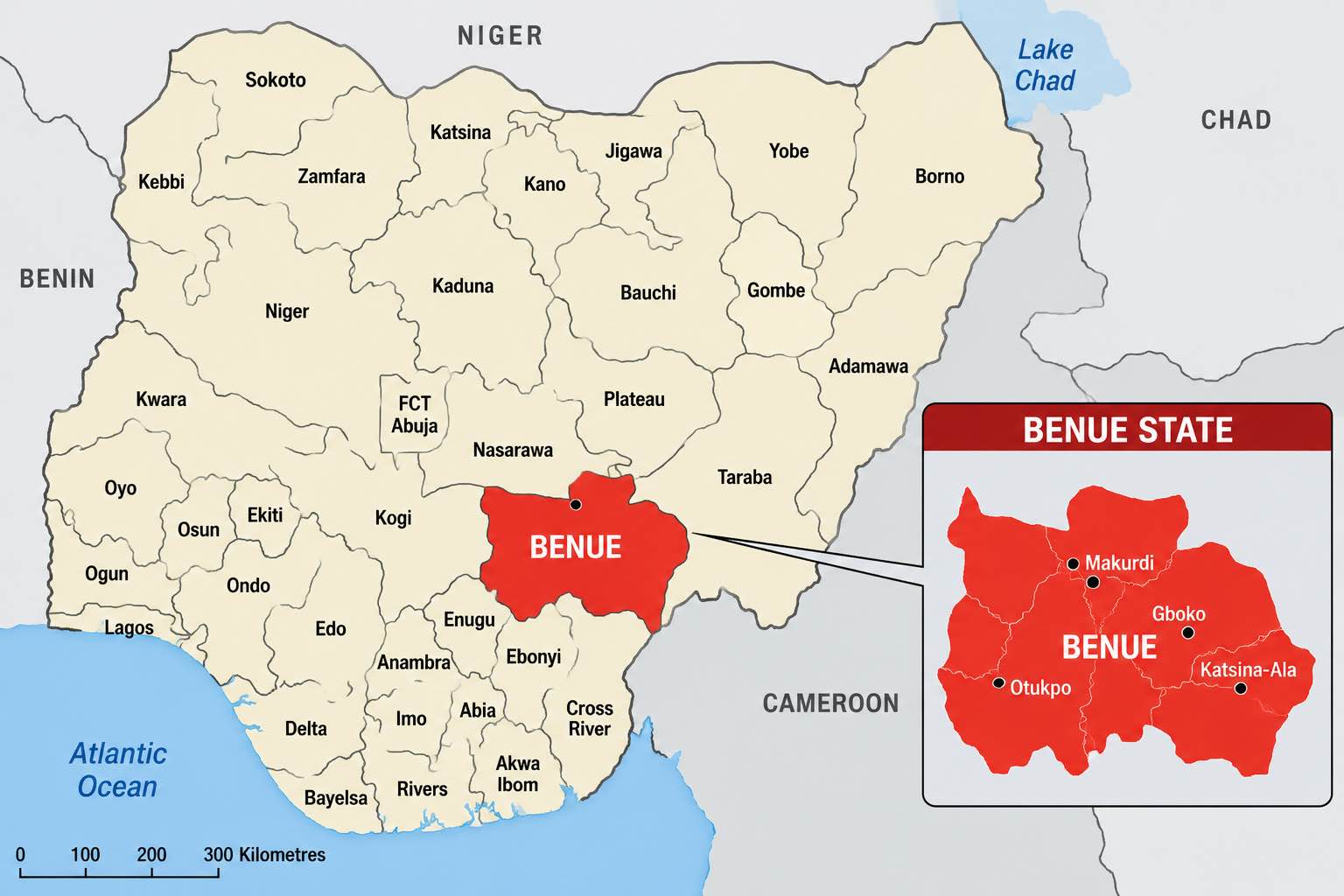
Senate Demands Probe Into Benue Killings As Death Toll Hits 113
The Nigerian Senate has directed the Inspector-General of Police, Tunji Disu, to investigate the reported killing of 113 people in four separate attacks across communities in Benue State and ensure those responsible are brought to justice.
NewsVaultHQ5 min read
Read more
France Reports First Human Shamonda Virus Case as Disease Spreads Across Western Europe
France has confirmed the world’s first documented human infection with Shamonda virus after a severely immunocompromised patient died in early October. The virus, which primarily affects livestock, has now been detected across 14 Western European countries and territories.
NewsVaultHQ7 min read
Read more